View All
'What Does Ready Look Like?’ A Conversation on Aging, Independence, and Choice
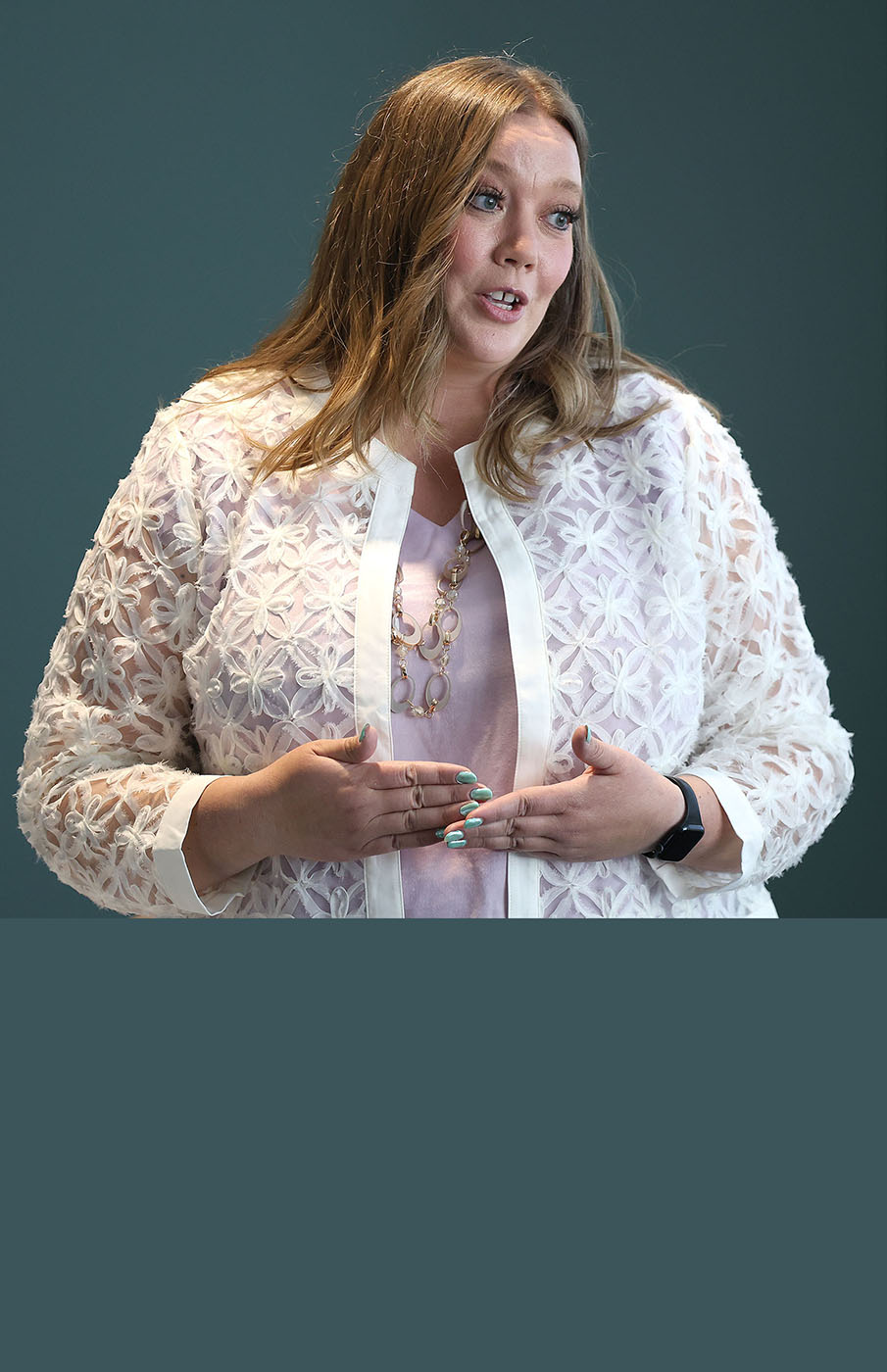
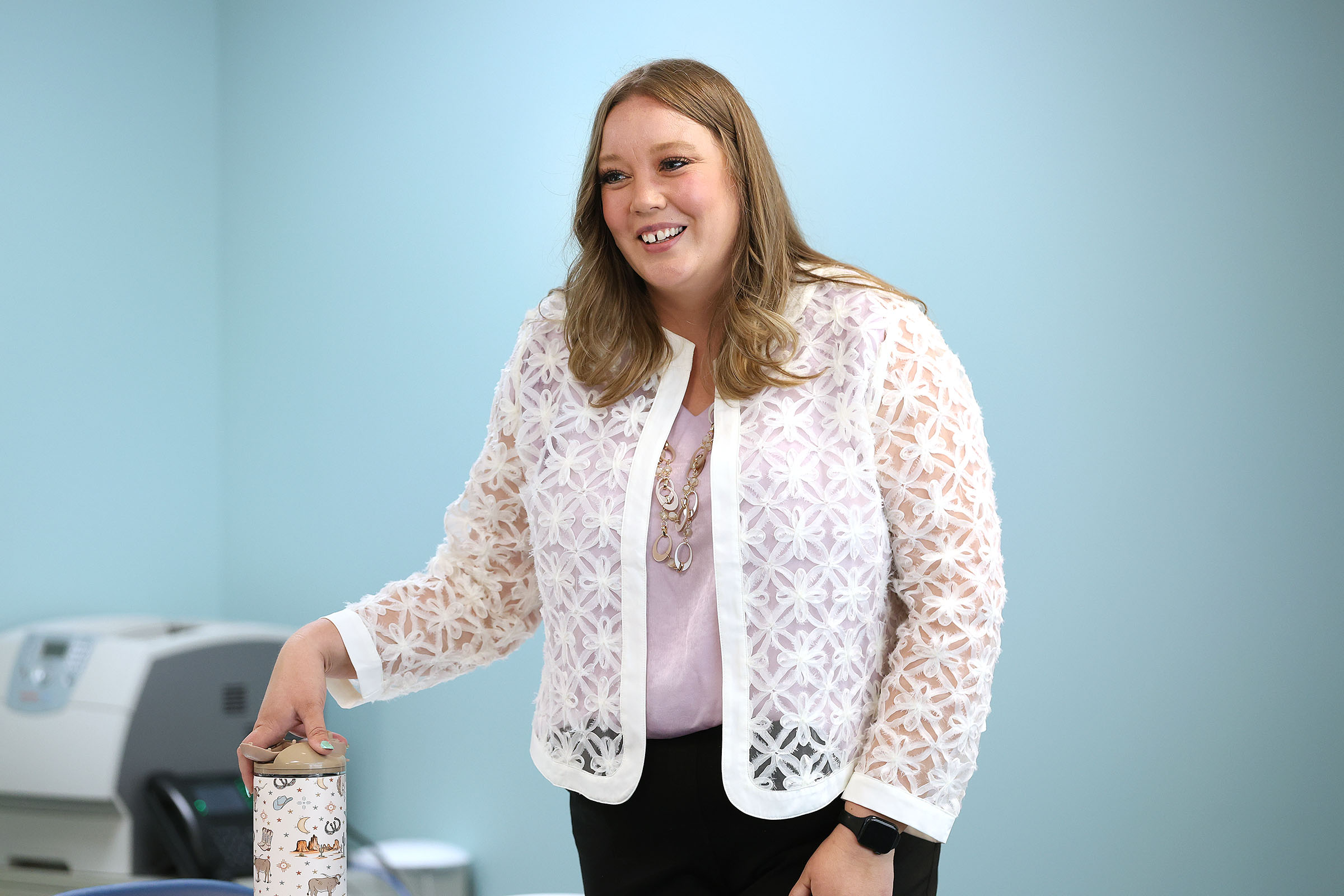
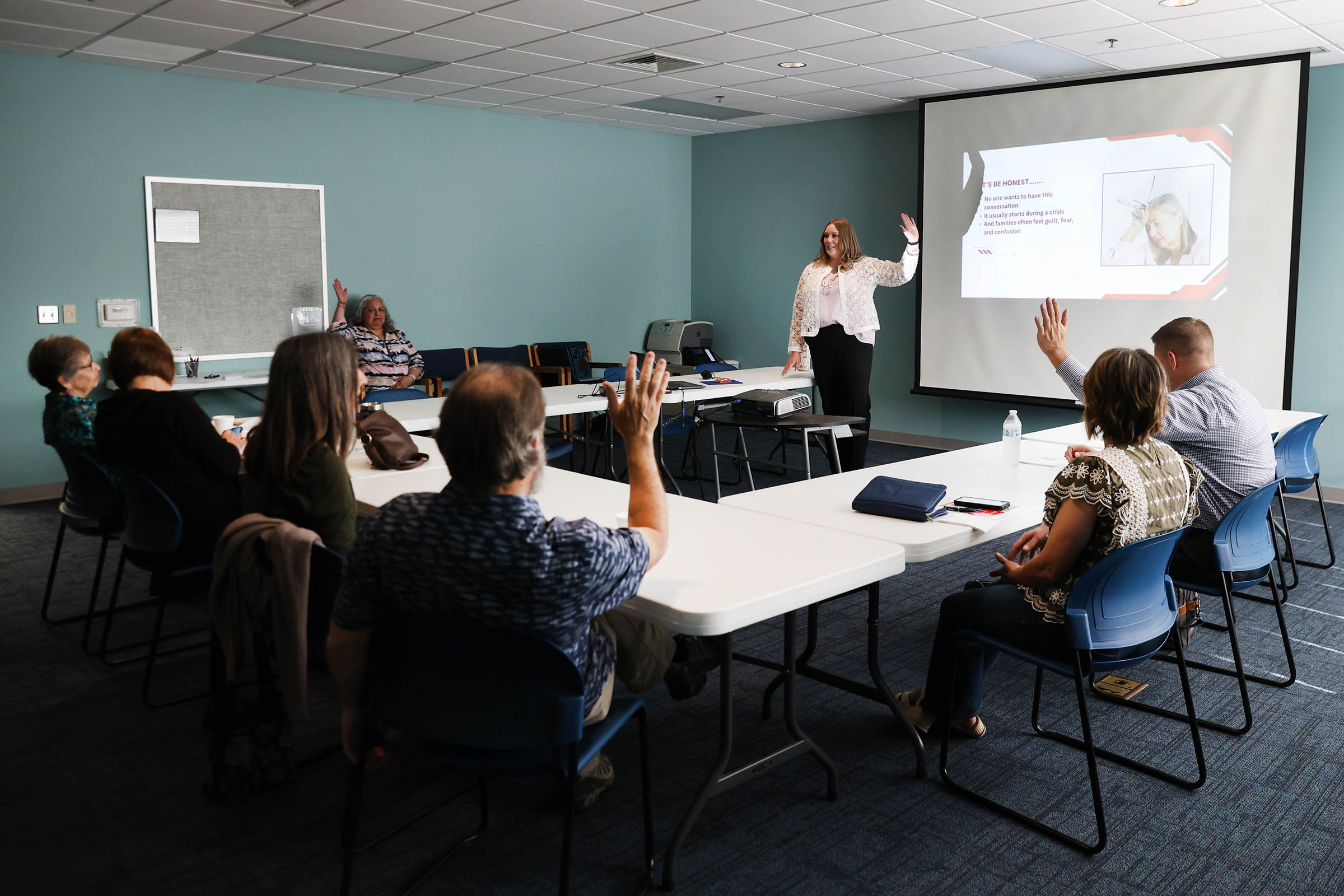
The Community Collaboration Series continued in April with Hope Jordan, an Account Executive with Specialized Home Care with her talk, "What I wish families knew about making Senior Living Decisions!"
The conversations began like many other community gatherings. People filtered in, exchanging greetings, settling into their seats. There was no urgency in the room, at least not on the surface.
Hope Jordan introduced herself simply—now with Specialized Home Care, but with more than two decades in the senior living industry, helping families navigate difficult decisions.
She didn’t start with statistics or services. She started with a truth everyone recognized but rarely said out loud: most people don’t want to talk about aging, about decline, about what comes next. The plan, for many, is simple—stay at home, avoid the conversation, deal with it later.
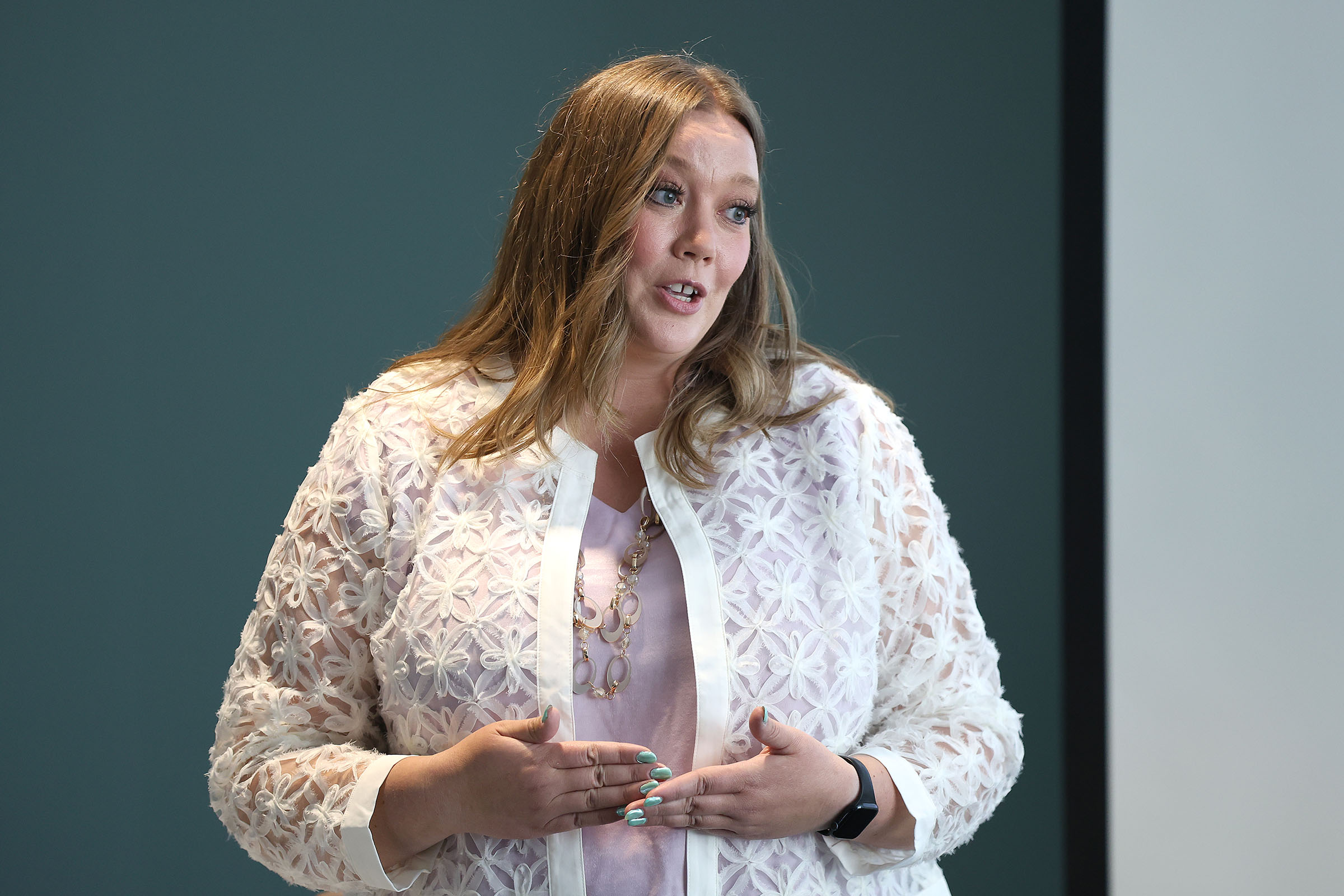
“No one ever really wants to have this conversation… but the sooner you start it, the better.”
Heads nodded. A few quiet laughs. Because everyone knew exactly what she meant.
Hope drew from years of experience—families who had waited too long, who had put off decisions until something forced their hand. A fall. A diagnosis. A moment that changed everything overnight.
“We kicked the can down the road… and then suddenly, you have to make that decision right now.”
That’s when the tone in the room shifted. This wasn’t abstract anymore. It was familiar.
She moved into the subtle signs people often miss—the groceries that go untouched, the medications that get skipped, the small changes that don’t seem urgent until they add up.
The conversation wasn’t about fear. It was about awareness.
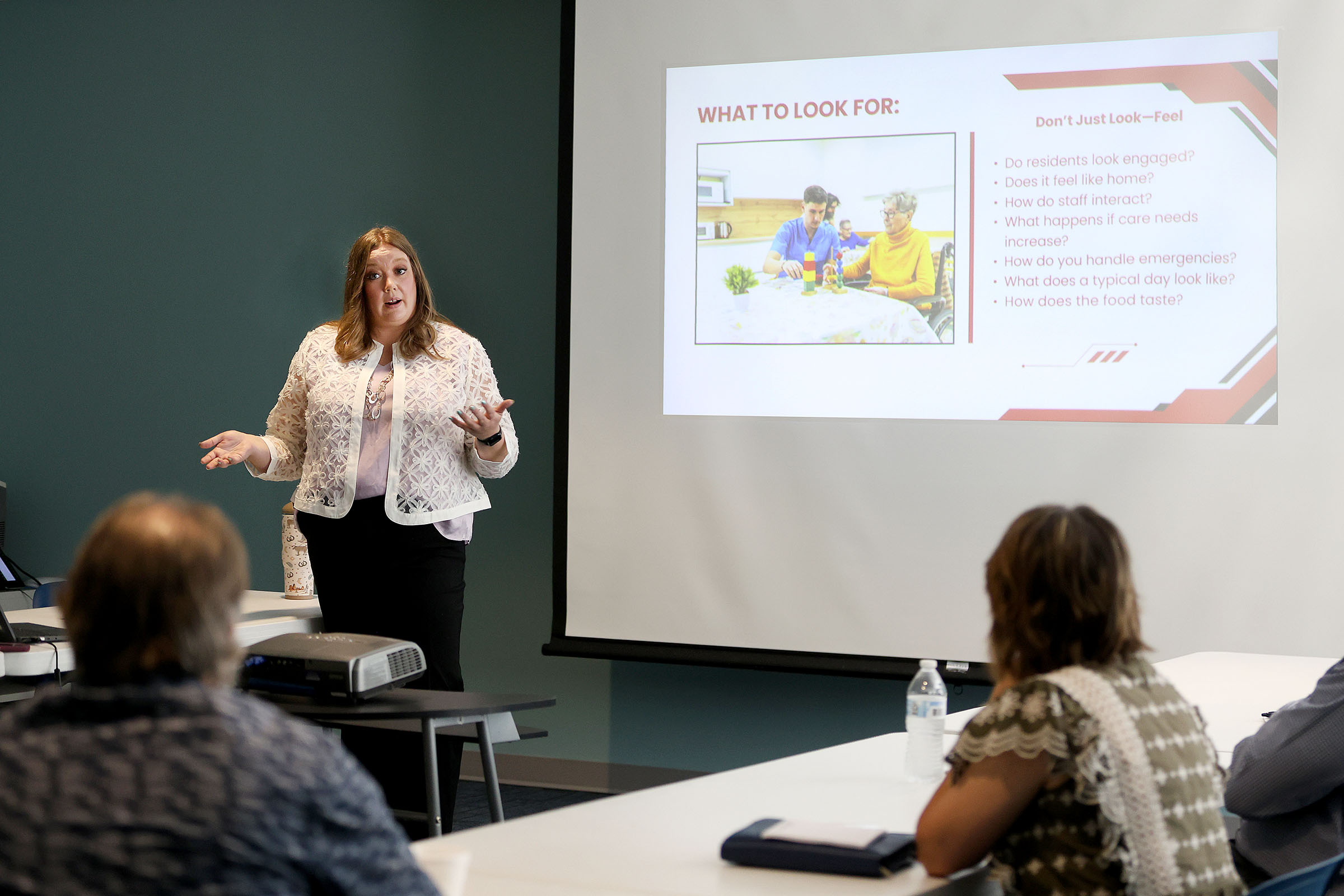
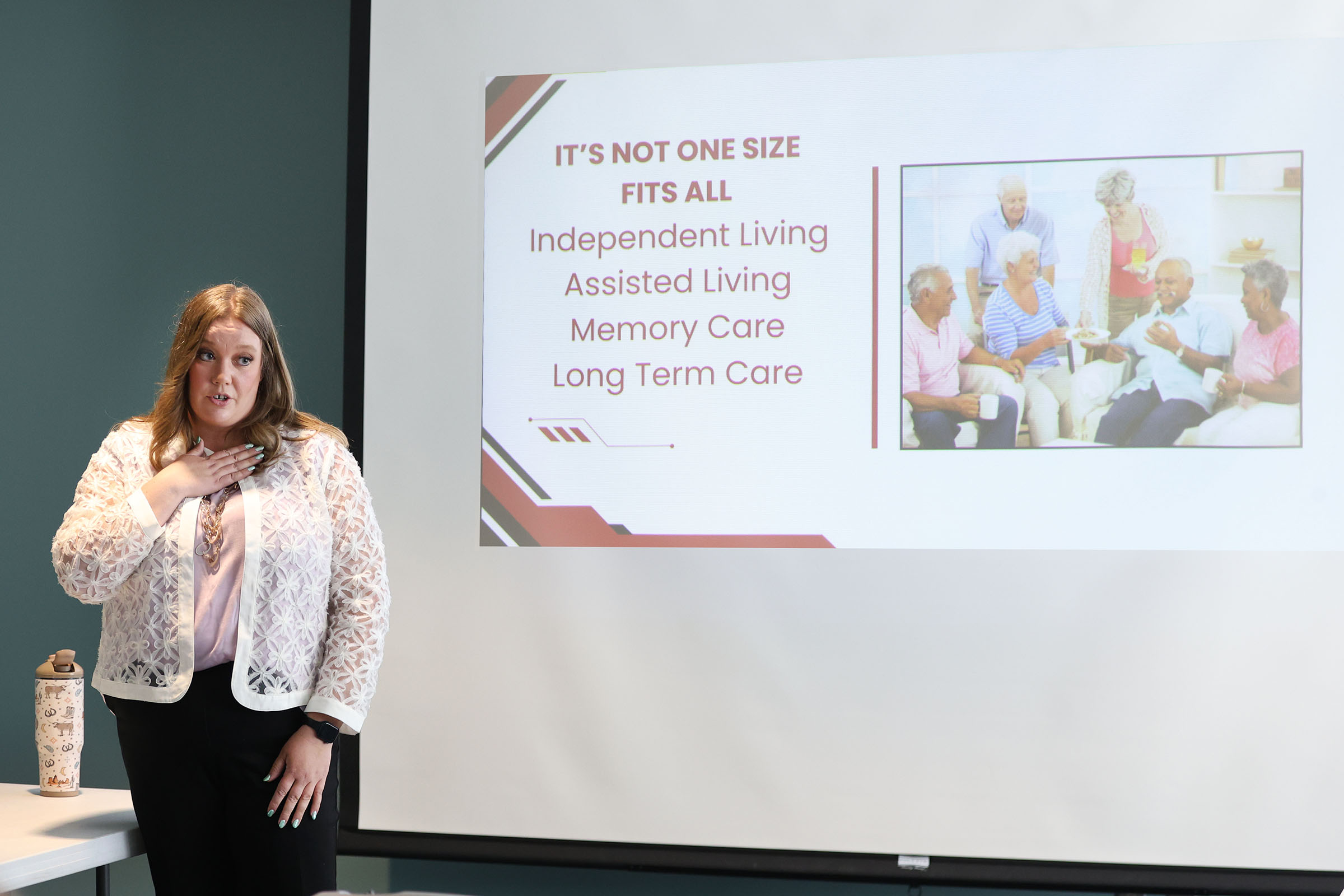
From there, Hope turned to something deeper—the stigma surrounding senior living. For many, the image is frozen in time: sterile hallways, a loss of independence, a sense of giving up.
But she didn’t let that idea sit for long. Senior living, she explained, isn’t what it used to be.
Communities today are different—cleaner, more intentional, more focused on quality of life. She encouraged people not to rely on assumptions, but to walk through the doors themselves, to notice how a place feels in those first few moments, to compare it not to an outdated stereotype, but to their own home and expectations.
Only then did she reframe the question entirely—away from loss, and toward possibility.
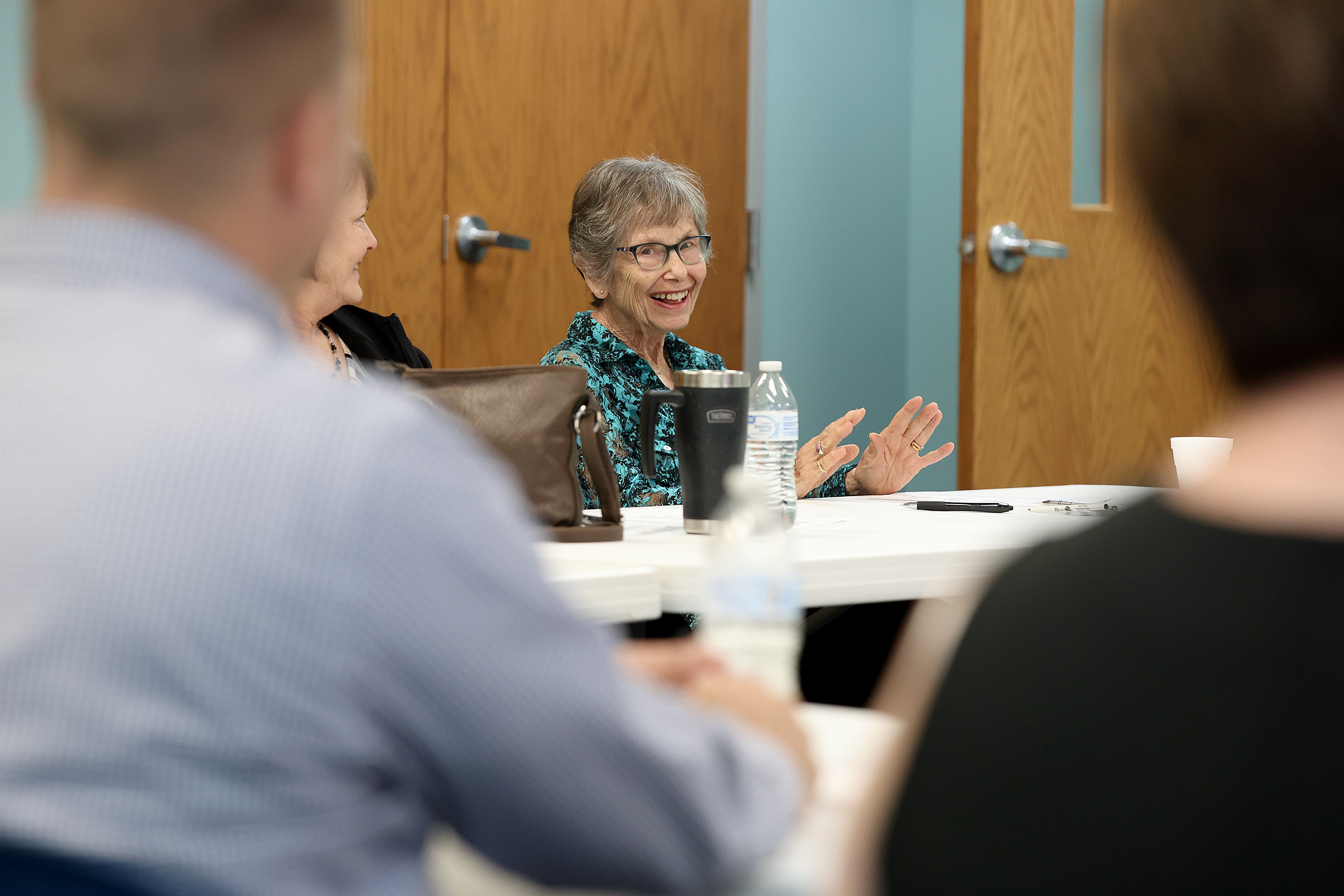
“What could I take off my plate today… so I have energy for the things I love?”
It was a simple question, but it lingered.
Less time spent maintaining a house. More time spent living—going to grandkids’ games, traveling, reconnecting with friends. The idea wasn’t about losing independence, but redistributing energy.
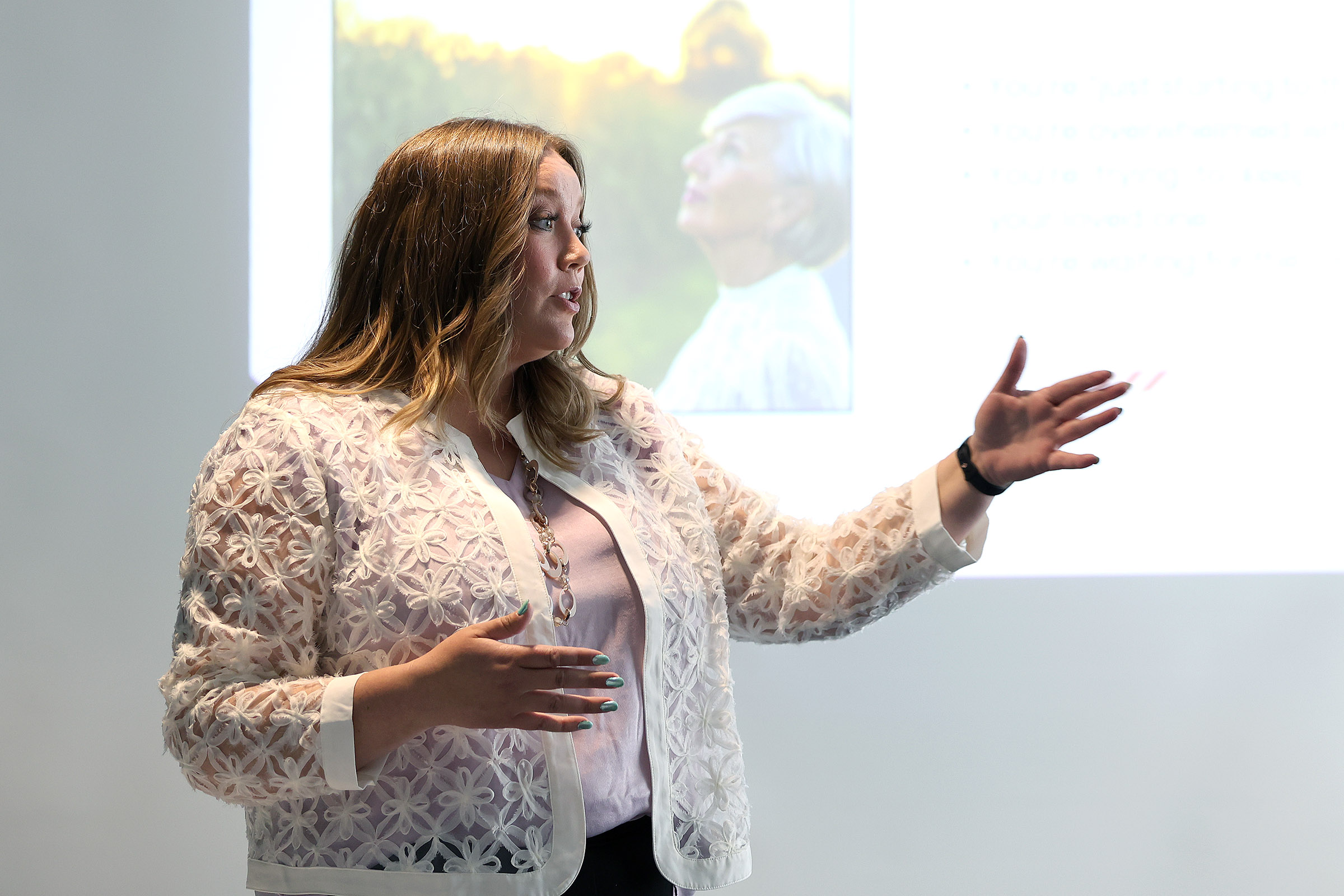
As the discussion opened up, the stories became more personal. One woman spoke about losing her husband suddenly, an event that left her not only grieving but managing a home and a future she hadn’t fully planned for.
Her questions were practical—where to live, what support exists—but underneath was something more uncertain: when is the right time to make a change?
Hope didn’t answer with a timeline. Instead, she reframed the question entirely.
“What does ready look like—for you?”
The room grew quieter. Because “ready” wasn’t about age or a specific event. It was about understanding your situation before a crisis forces clarity.
The conversation shifted again—this time toward the realities many people misunderstand. Medicare, for example, is often assumed to cover long-term care. It doesn’t. That realization alone reshapes how people think about planning.
But even as finances and logistics entered the discussion, the focus remained on something more human: control.
Planning ahead wasn’t about expecting the worst. It was about protecting the ability to choose—where to live, how to live, and who helps along the way.
As the hour went on, something in the room softened. People who had arrived hesitant began to engage more openly. Questions became more specific. Stories more detailed.
One woman, who had been quietly listening, finally spoke again. This time, her tone had changed. There was less uncertainty, more clarity.
She talked about wanting to travel, to stay active, to keep participating in life—not retreating from it.
“I feel relieved… I want to go on a trip. I want to do things. And I can.”
That moment seemed to capture what the entire conversation had been building toward.
This wasn’t about giving something up. It was about making space for what still mattered.
By the end, there was no single decision made, no one-size-fits-all answer. But there was movement—people thinking differently, asking better questions, beginning conversations they had avoided.
And perhaps most importantly, there was a shift in perspective.
The future wasn’t something to fear or delay. It was something, with the right planning, they could still shape.
The Community Collaboration Series is presented by the Reno County Department of Aging, with a focus on empowering individuals and families with knowledge, resources, and tools to lead healthier lives.
The next guest speaker will be Paula Miller from Pleasant View Home, a passionate nutrition coach, who will speak about her personal wellness story and shared valuable lessons on healthy living, nutrition, and prevention. The event is on Thursday, May 21st, 2026, at 9:30 a.m. at the Reno County Department of Aging, 120 West B Avenue. To RSVP for this free event, call 620-694-2911.