View All
Reno County’s Helen Foster Featured as Public Sector Employment Expert at KAC 50th Annual Conference

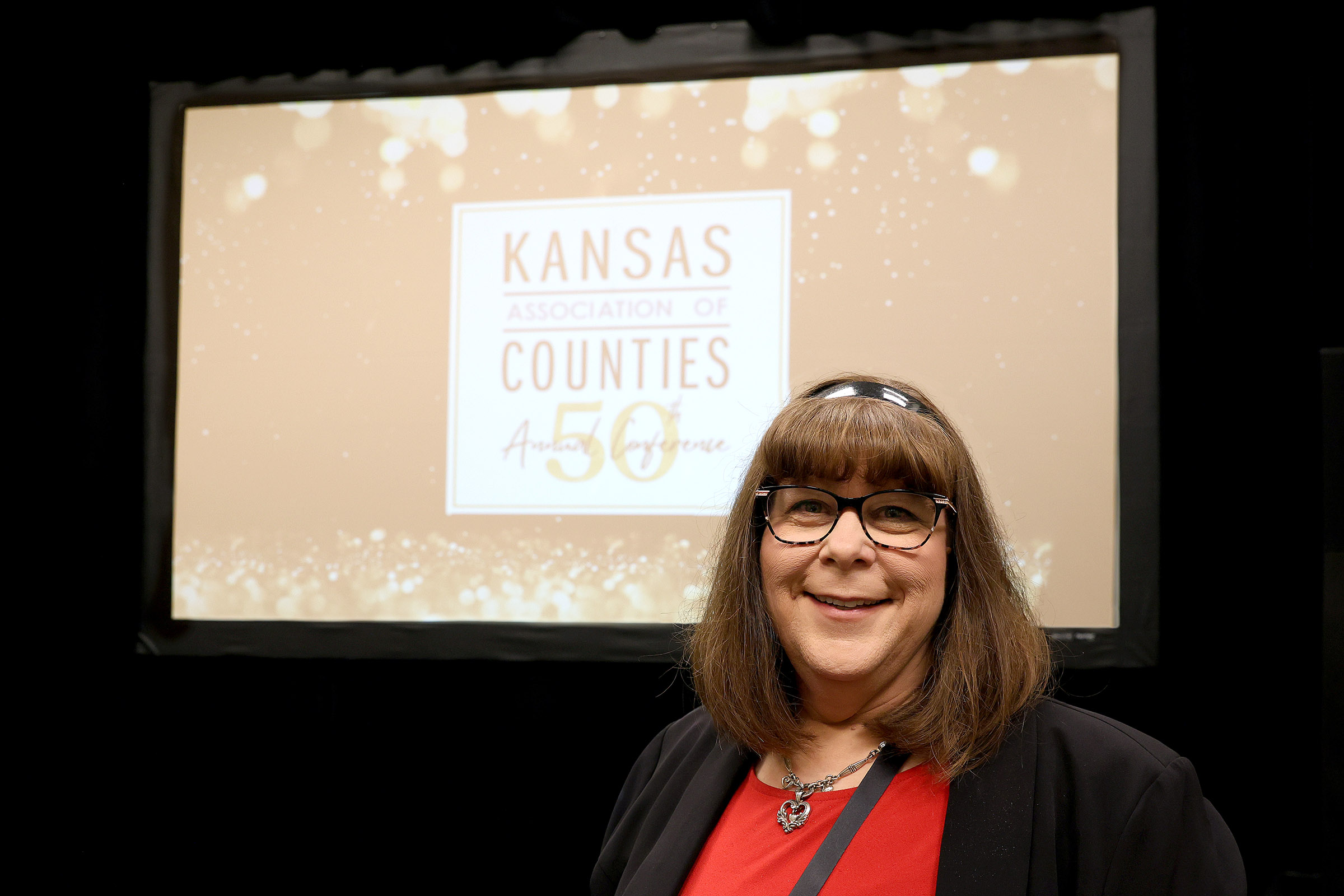
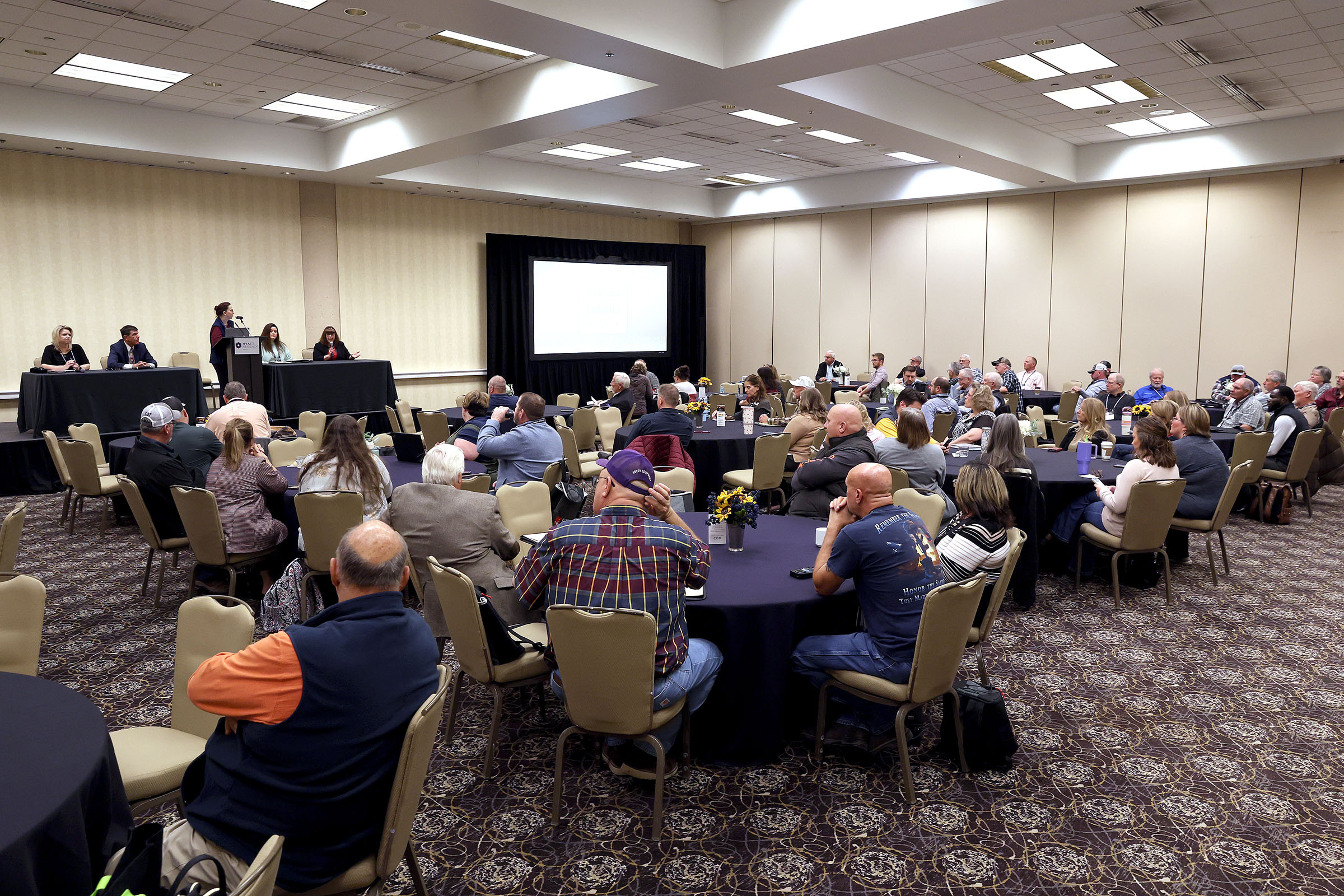
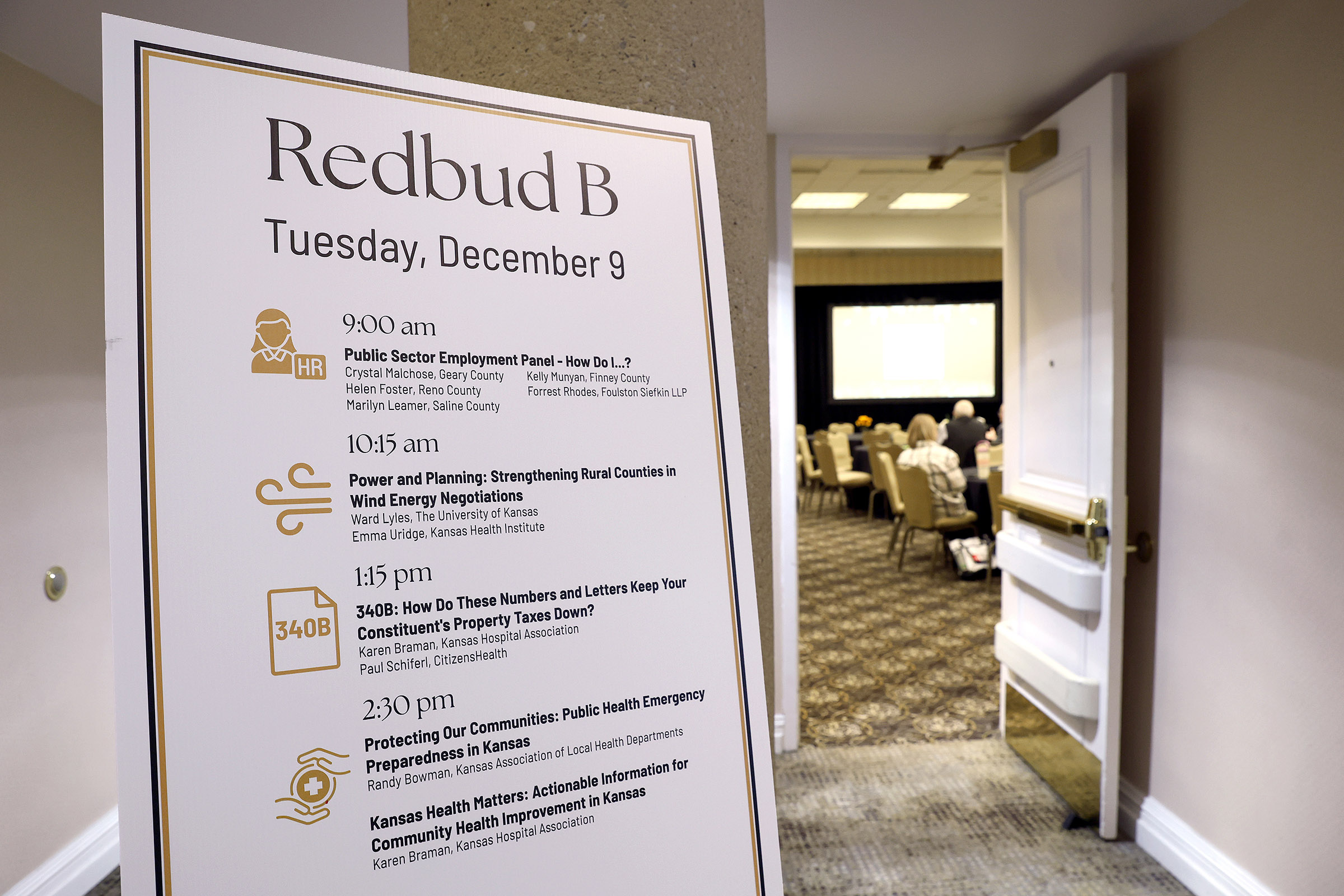
Reno County Human Resources Director Helen Foster spoke on a Public Sector Employment expert panel Tuesday morning during the Kansas Association of Counties 50th Annual Conference held at the Hyatt Regency Hotel in Wichita. Helen and four other experts answered questions from participants in the room and some hand written questions regarding policies, "legalese", and practices - elected vs appointed. In addition to Helen there was moderator Crystal Malchose, Geary County, Marilyn Leamer, Saline County, Kelly Munyan, Finney County, and Forrest Rhodes, Foulston Siefkin LLP.
Helen's biography states: " After years of searching, Helen found her passion in Human Resources and built a 16-year career dedicated to people, culture, and employment law. In 2014, she returned to college to earn her bachelor’s degree in Human Resource Management and achieved certification through the Society for Human Resource Management earlier this year. Helen believes strongly in valuing people, building healthy workplace cultures, and helping organizations thrive through their most important resource - their people."
A review of their "How Do I?" breakout session:
At the Kansas Association of Counties conference in Wichita, an experienced panel of public-sector HR professionals and an employment attorney answered practical, “real world” questions from county officials about managing employees in government settings. Panelists introduced their backgrounds, noting decades of combined experience in city and county HR and employment law.
They discussed how to handle employees with work-related injuries, stressing the need to coordinate workers’ compensation, FMLA, and ADA at the same time. Counties shared that they try hard to bring employees back on light duty, even if it means temporarily placing them in another department while the original department keeps the position in its budget. The panel also clarified when FMLA applies (hospital stays, chronic conditions, addiction treatment, etc.), that FMLA itself is unpaid but can run concurrently with paid leave, and that employers must reinstate employees to the same or a substantially similar job within the 12-week FMLA period. They also noted FMLA generally doesn’t apply to elected officials.
A major theme was handling toxic high performers. Panelists emphasized that high productivity does not excuse damaging behavior. They recommended addressing toxic conduct early and consistently, documenting conversations, using performance evaluations and follow-up emails, and escalating to discipline when behavior doesn’t change. They warned that tolerating one toxic star can drive away many good employees.
Throughout, the employment attorney stressed documentation and process: keeping notes after executive sessions, ensuring documentation goes into personnel files, understanding open-records implications, and recognizing that employment-at-will doesn’t mean you should terminate without a clear, communicated reason. They also covered limits and roles around elected officials—who controls pay plans, how far elected officials can go using their own budgets, and when commission authority over pay scales generally prevails.
On retention and benefits, panelists shared strategies counties are using when they can’t always match private-sector wages: individual total-compensation statements, flexible schedules (including 4x10s while maintaining service hours), referral bonuses, and modern benefits like pet insurance, legal plans, enhanced mental-health supports, and financial-wellness tools. They closed by underscoring the value of relationships, communication, and using HR and legal resources early—and invited attendees to reach out after the conference for help with specific situations.
Key takeaways:
Always consider workers’ comp + FMLA + ADA together when dealing with injuries or medical issues.
Culture matters as much as performance—address toxic behavior, document thoroughly, and don’t rely on “at-will” as your only shield.
For retention, tell the full story of compensation (benefits, retirement, flexibility) and modernize benefits where possible, not just focus on base pay.
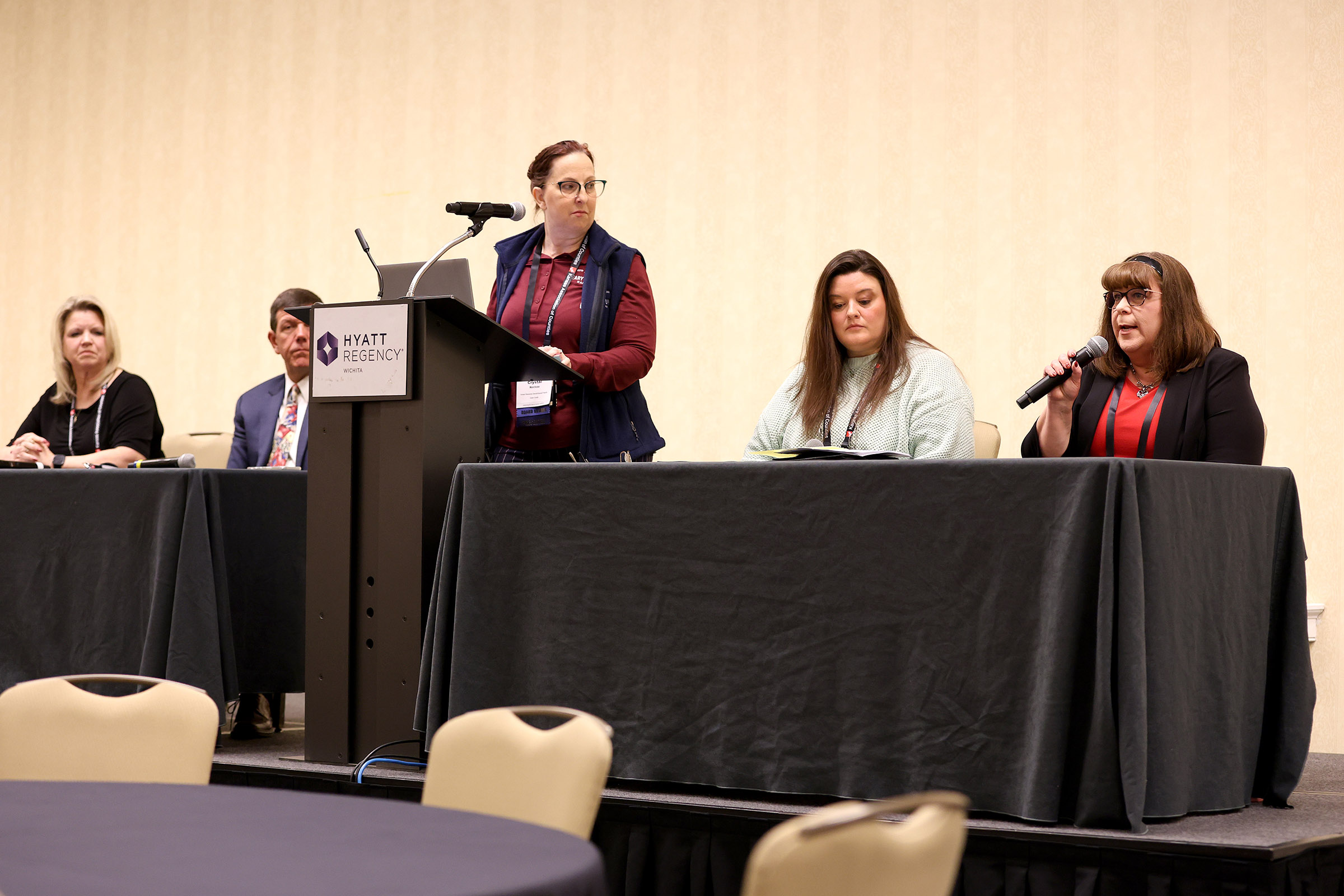 Marilyn Leamer, Saline County, left, Forrest Rhodes, Foulston Siefkin LLP, moderator Crystal Malchose, Geary County, Kelly Munyan, Finney County, and Helen Foster, Reno County.