View All
Regional Partners Strengthen Preparedness Through Oiled Wildlife Response Workshop
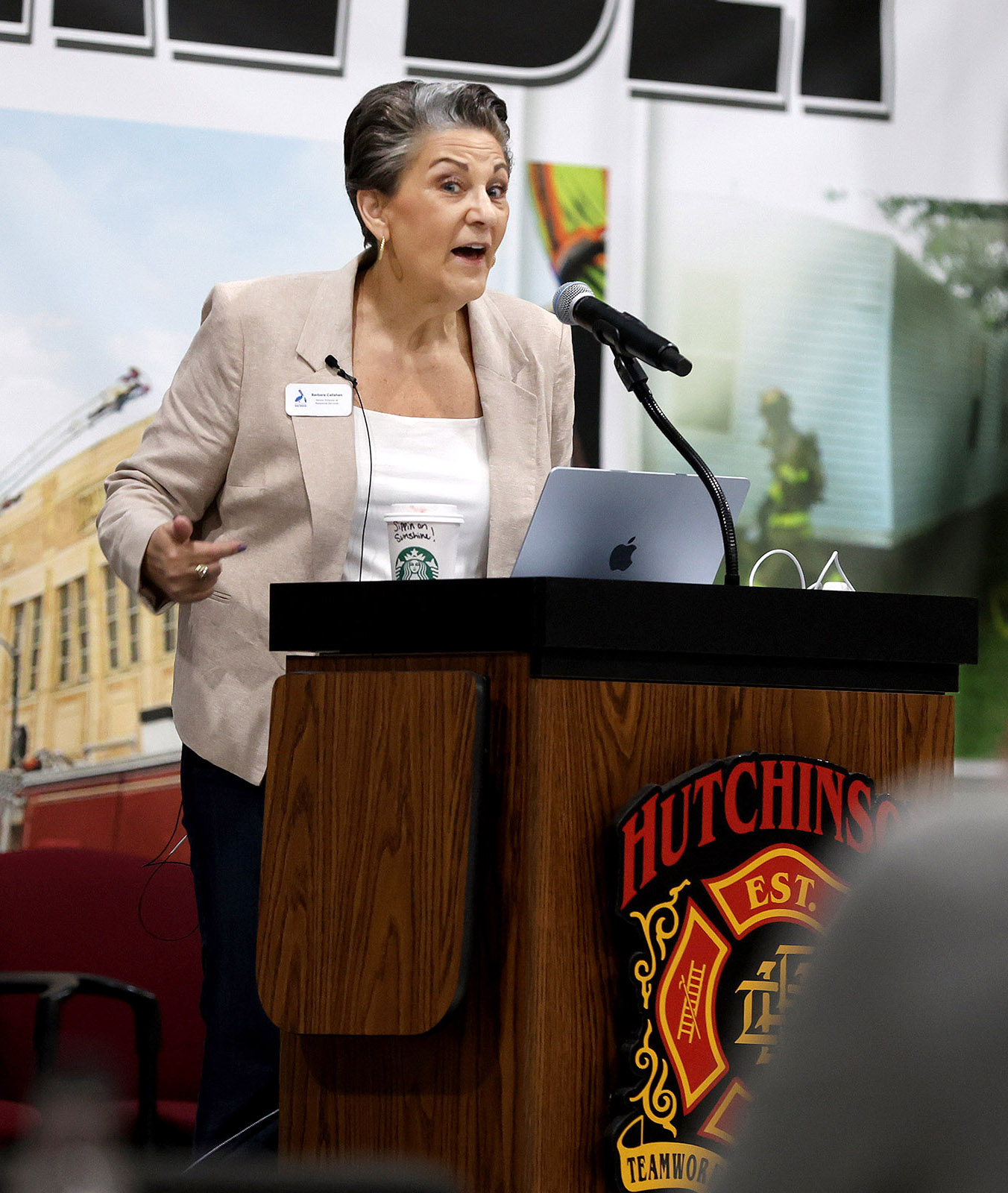
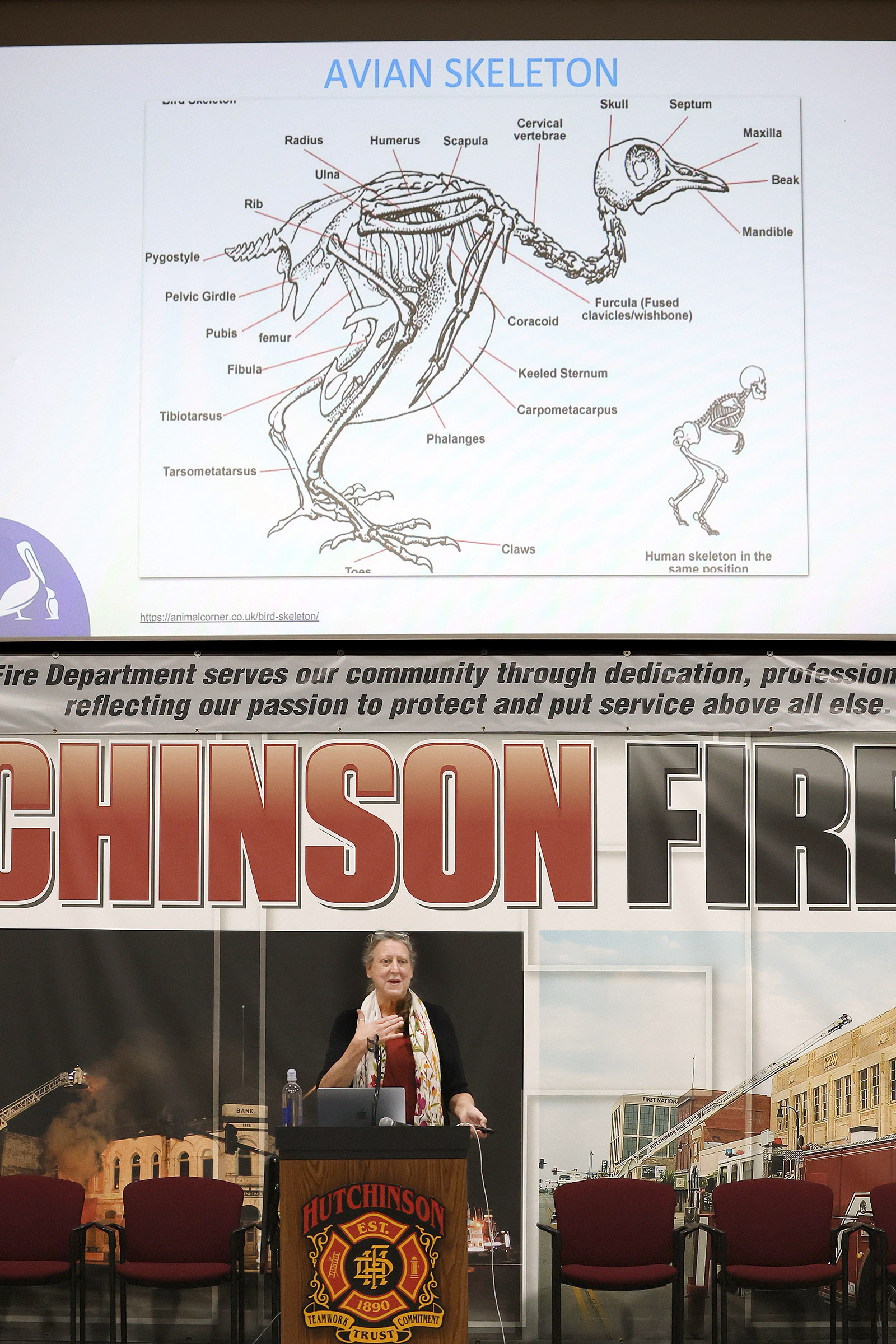
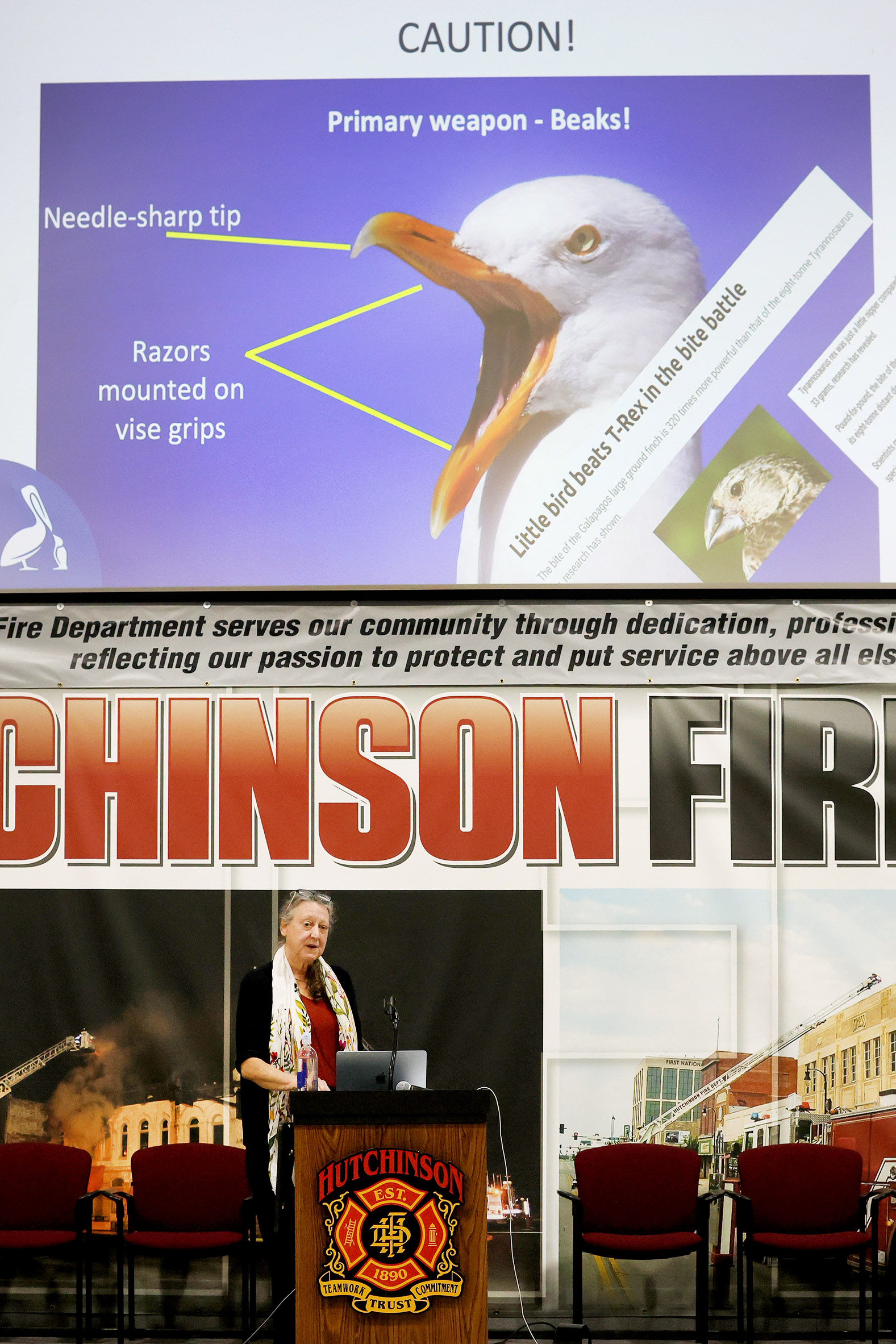
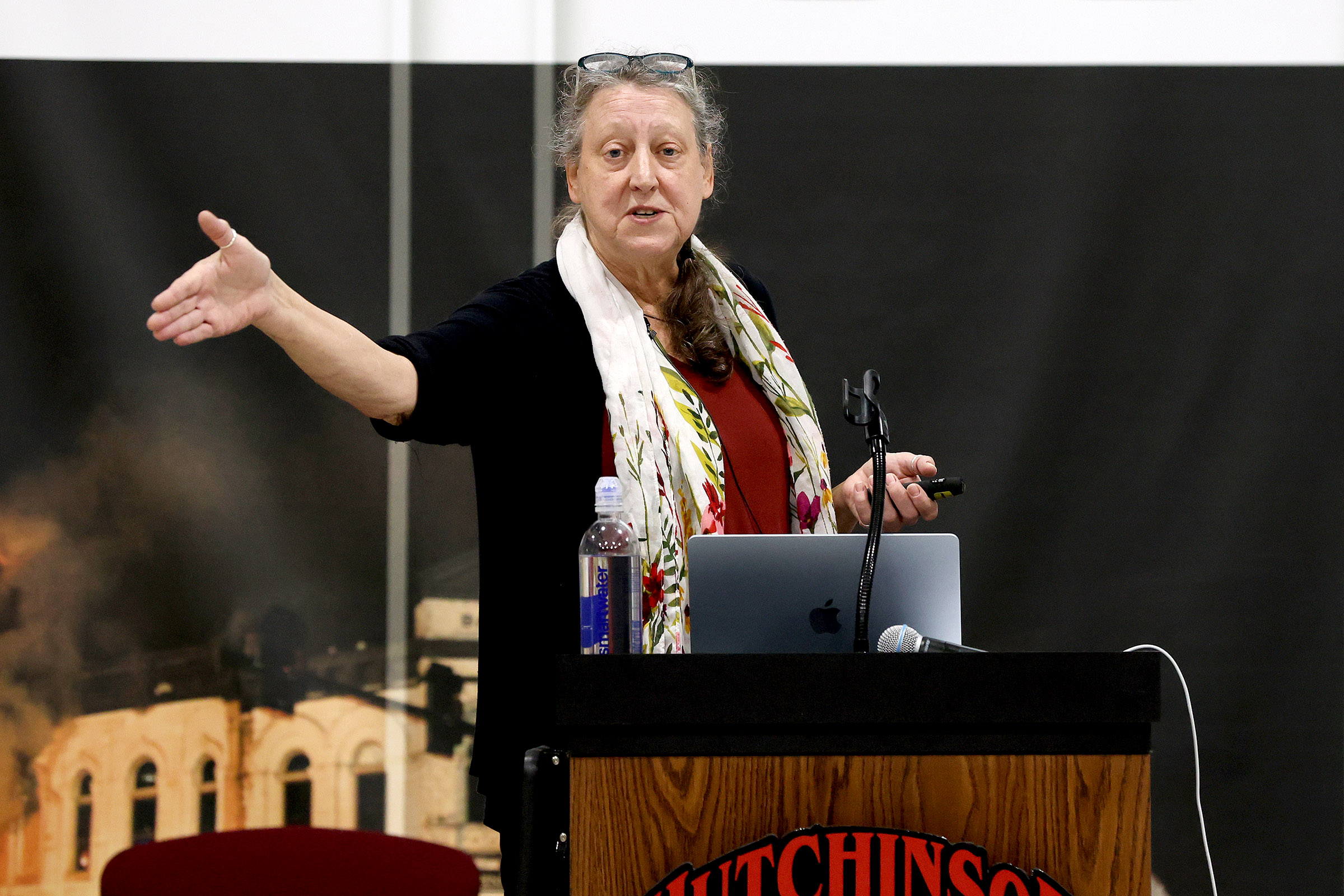
 Barbara Callahan, Senior Director of Response Services, International Bird Rescue
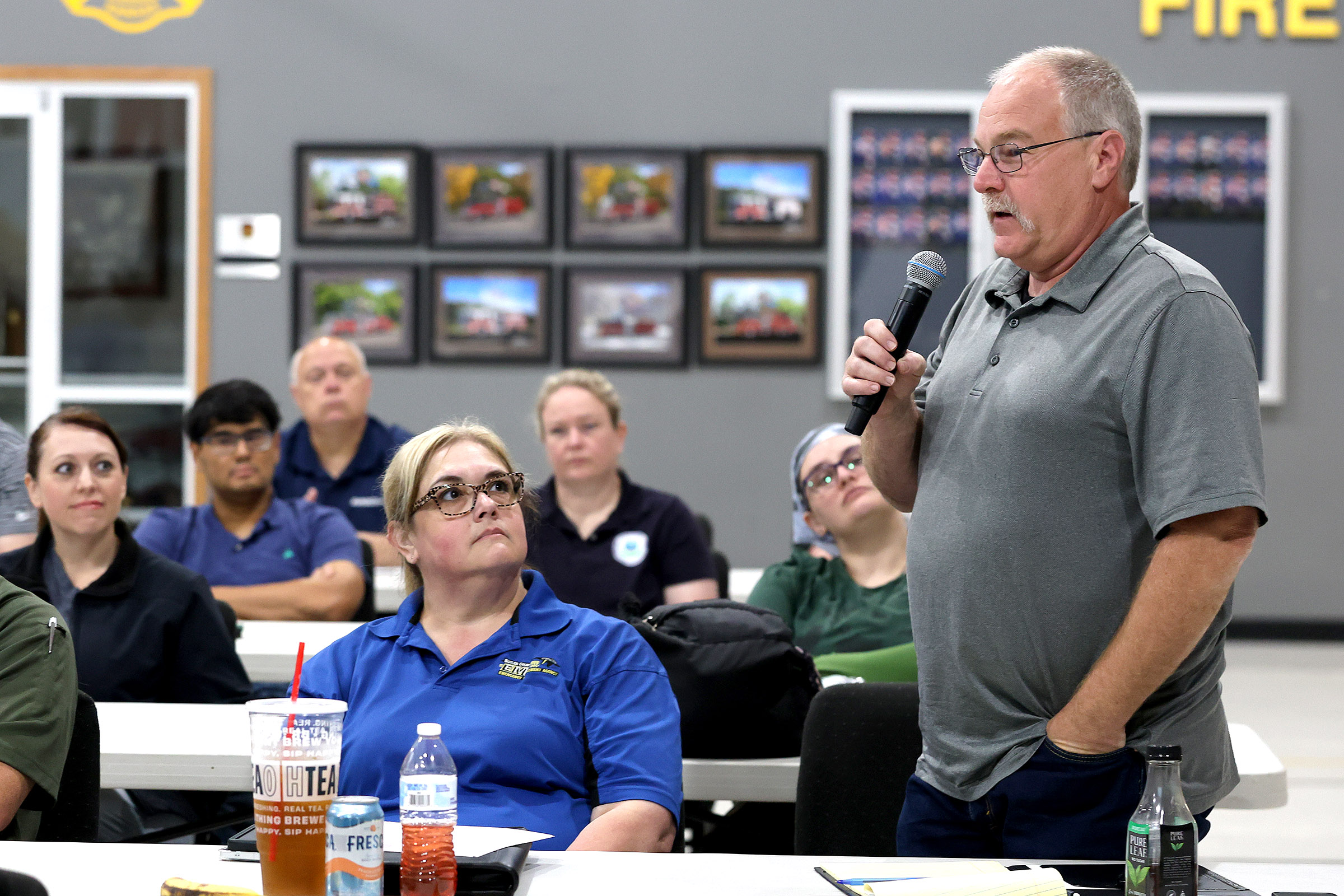 Todd Strain, Reno County Emergency Management Coordinator
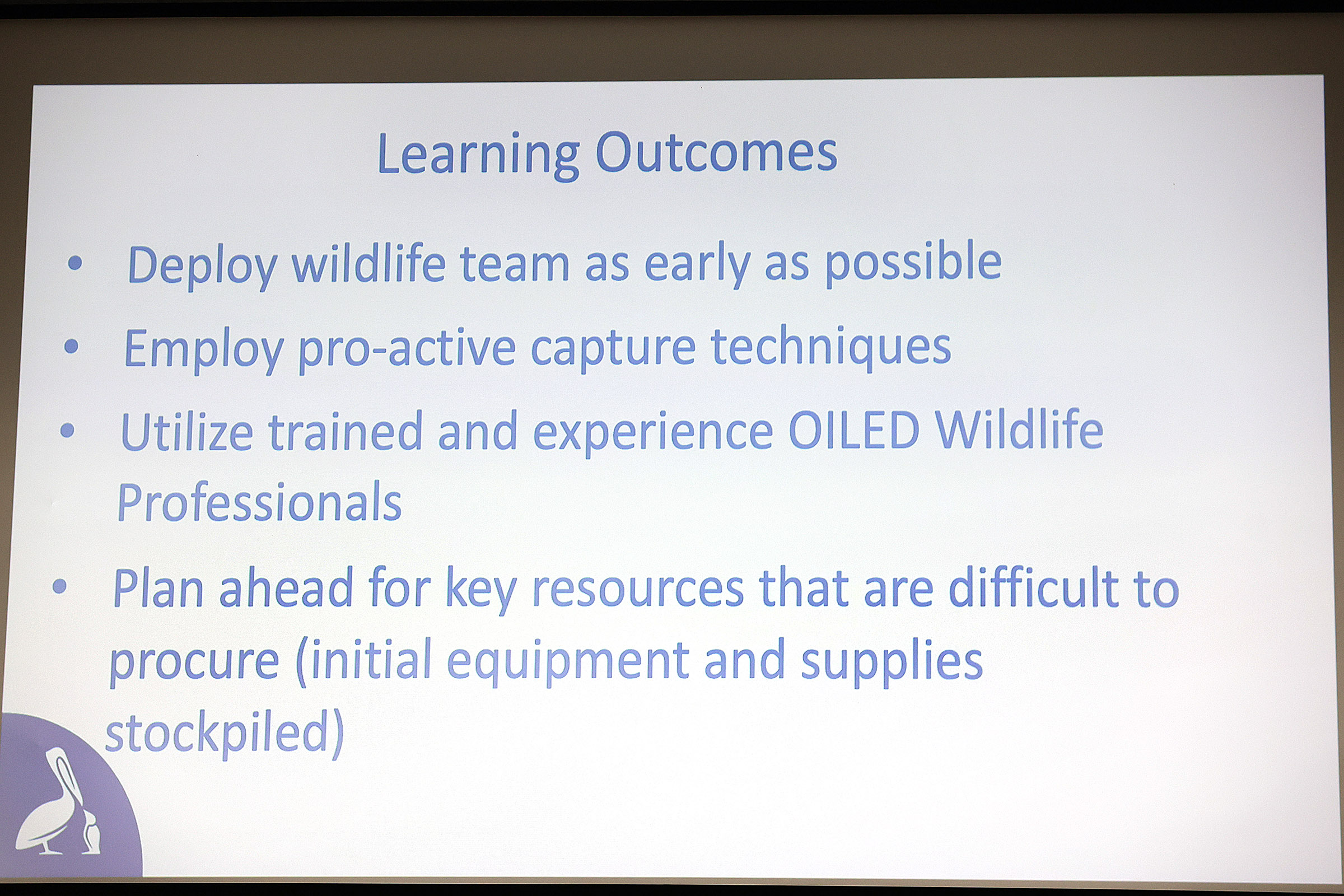 The workshop brought together local, state, federal, and private-sector partners to strengthen regional preparedness.
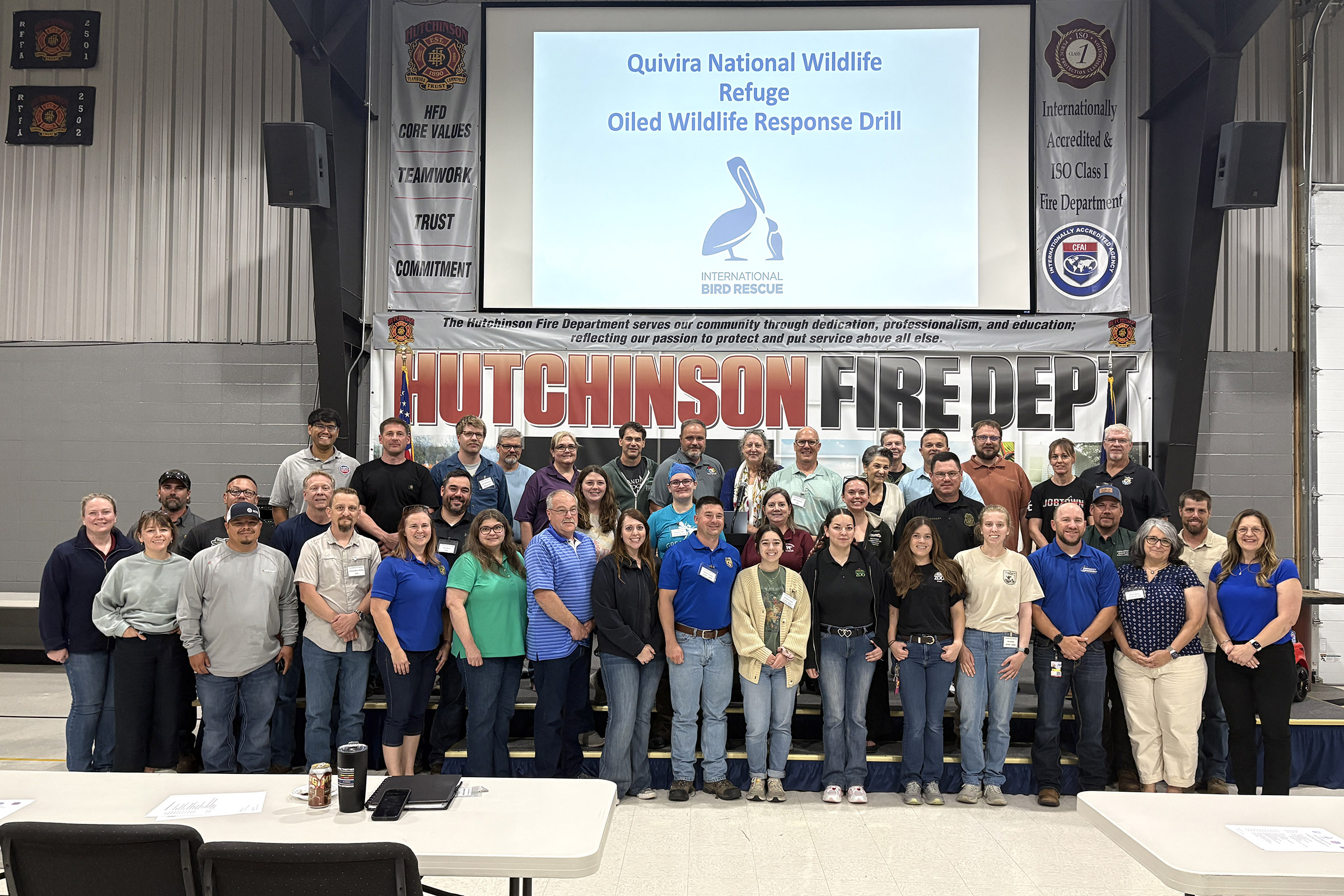 Group photo of the participants of the Oiled Wildlife Response Exercise, June 3-4, 2026, at the Hutchinson Fire Department Command and Training Center.
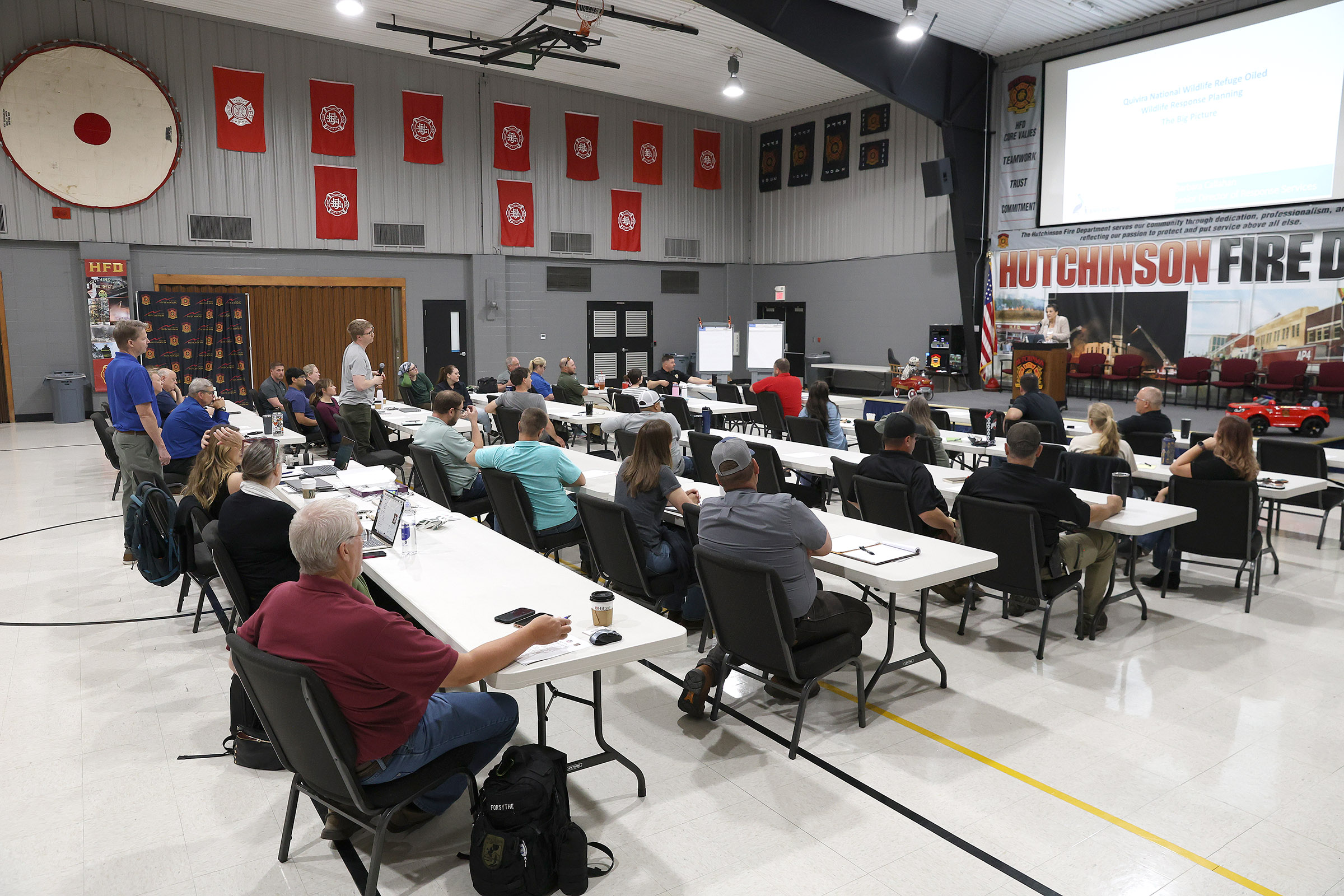
Reno County Emergency Management and the Hutchinson Zoo participated in a two-day workshop on an Oiled Wildlife Response Exercise at the Hutchinson Fire Department’s Command and Training Center. The focus of the workshop was to identify the resources needed for an oiled wildlife response and to begin formulating an action plan.
Emergency management personnel from Butler, Barton, and Sedgwick counties, along with stakeholders from the U.S. Fish and Wildlife Service, Environmental Protection Agency (EPA), Kansas Department of Wildlife and Parks, Kansas Department of Health and Environment, Kansas Corporation Commission, U.S. Army Corps of Engineers, and private industry, participated in the exercise. CHS in McPherson sponsored the workshop and provided food and refreshments.
Each EPA region has plans that guide its response to incidents within its jurisdiction. Within each EPA region, there are designated subareas. Barton, Rice, Reno, Stafford, and Sedgwick counties are located within the Central Kansas Wetlands Subarea (CKWSA). The CKWSA includes one of the most environmentally sensitive areas in the United States, encompassing Quivira National Wildlife Refuge and Cheyenne Bottoms.
A contingency plan has been developed through a collaborative effort involving federal and state agencies, emergency managers, private industry, and local emergency responders from the five counties. The contingency plan is not intended to replace any local, state, regional, or national plans; rather, it should be reviewed and used in conjunction with those plans. The plan is designed to serve as a tool and source of information for responders.
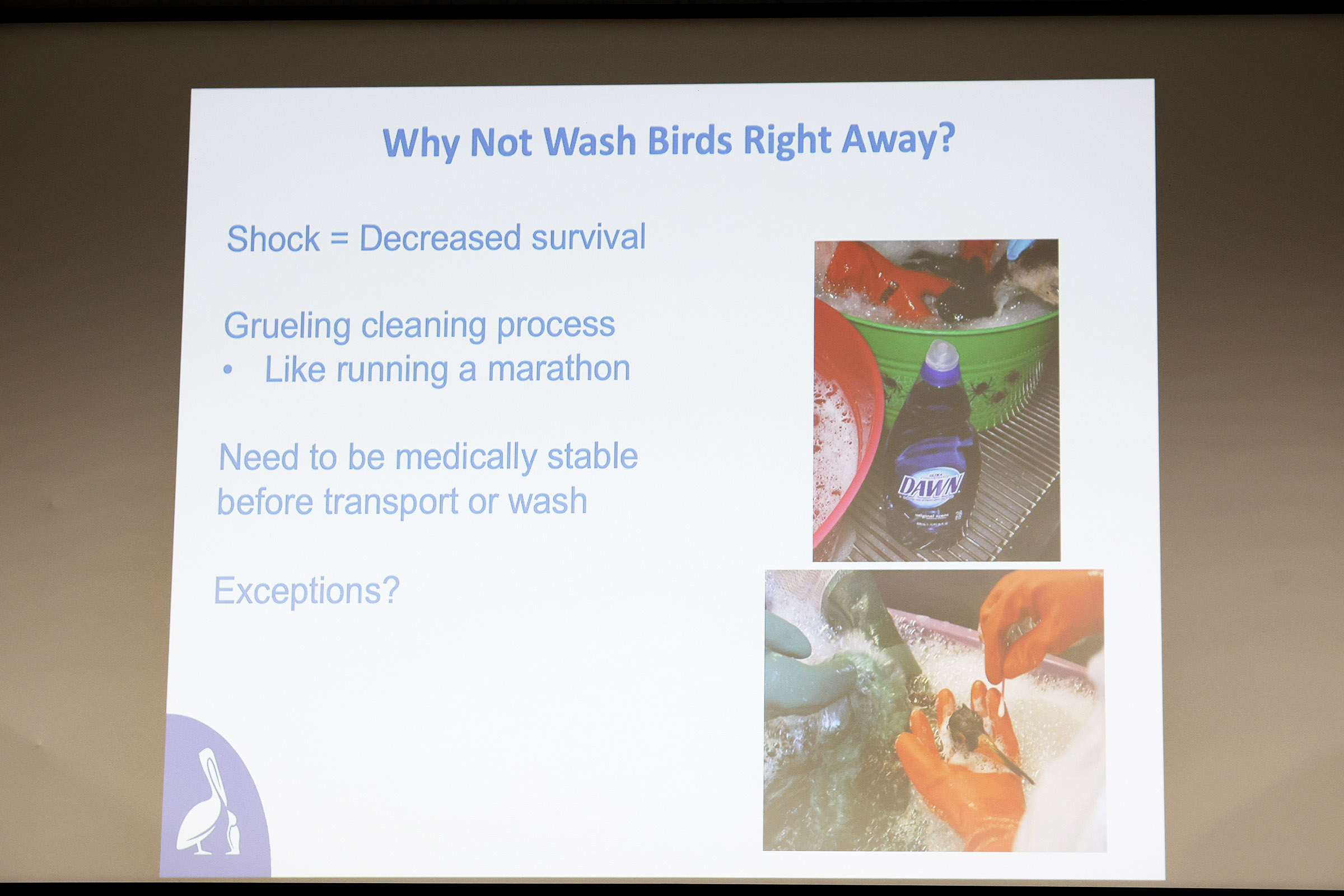
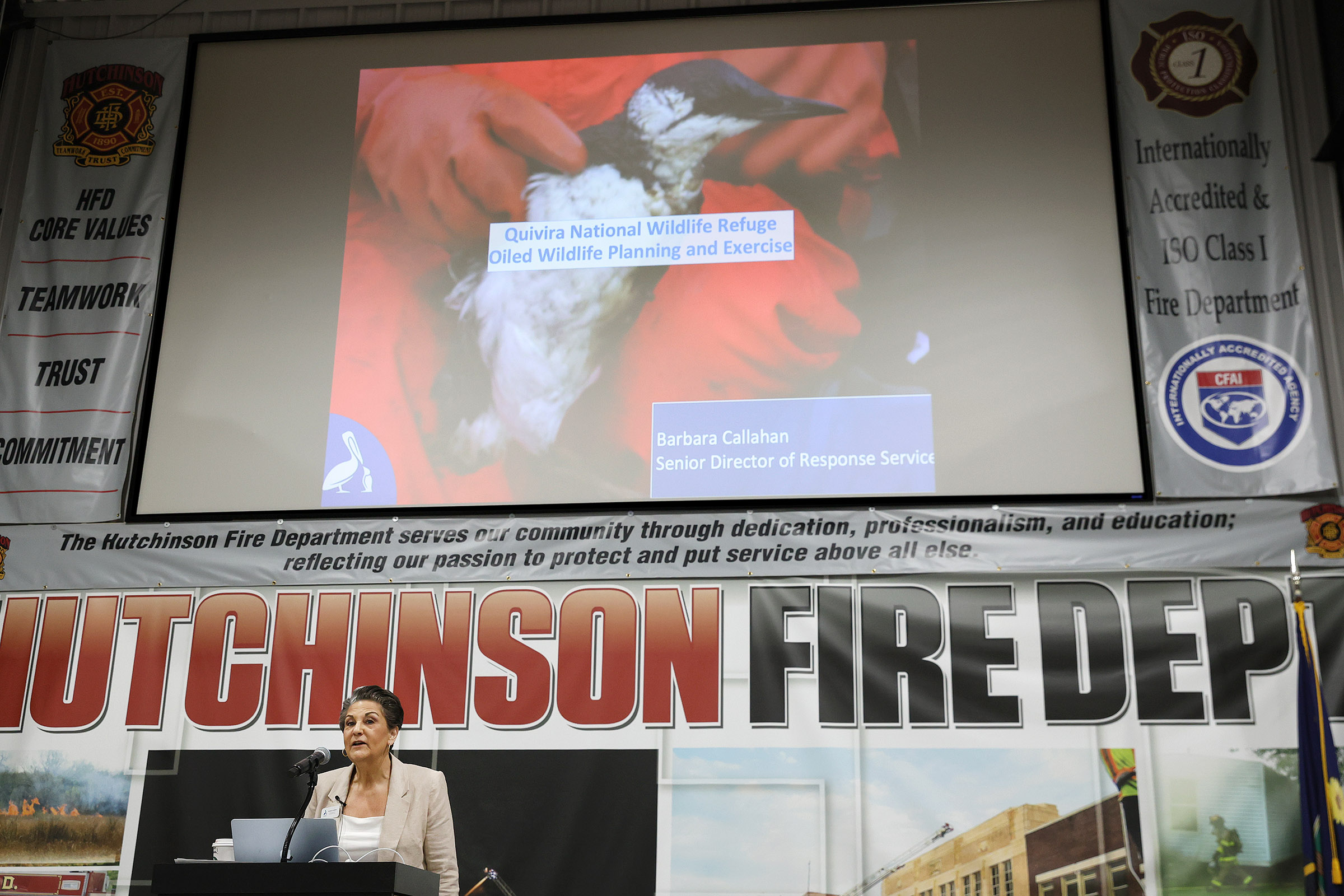
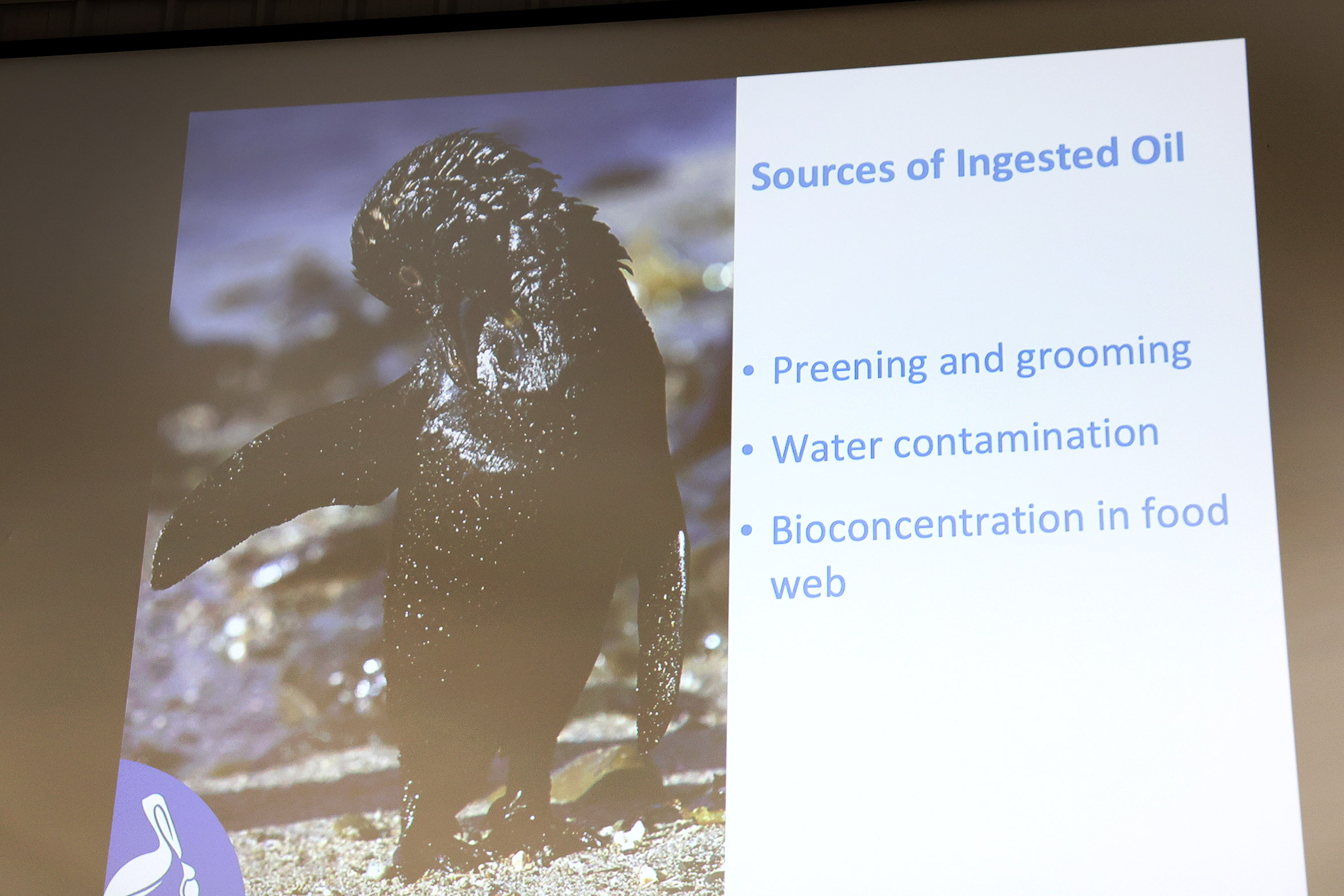
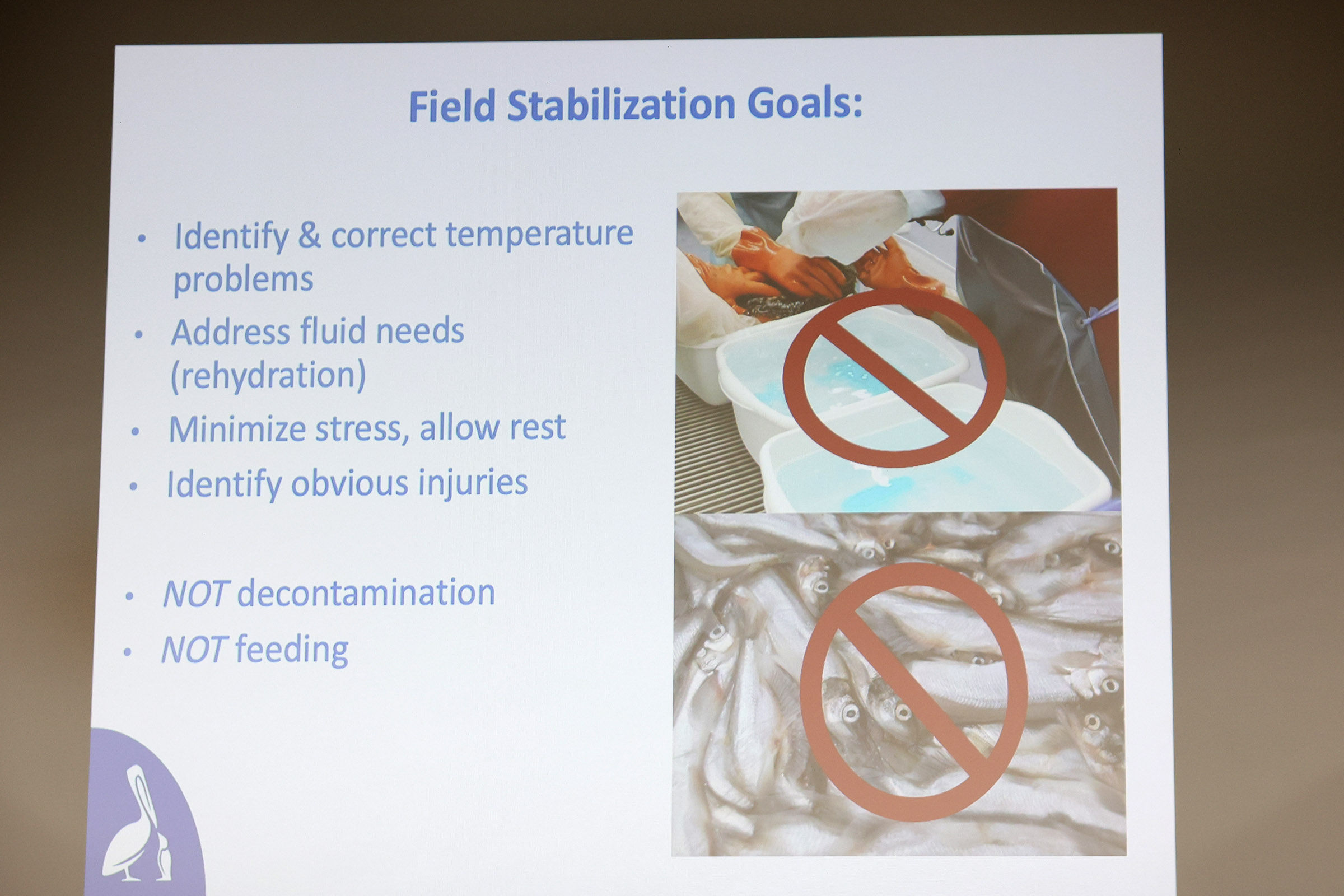
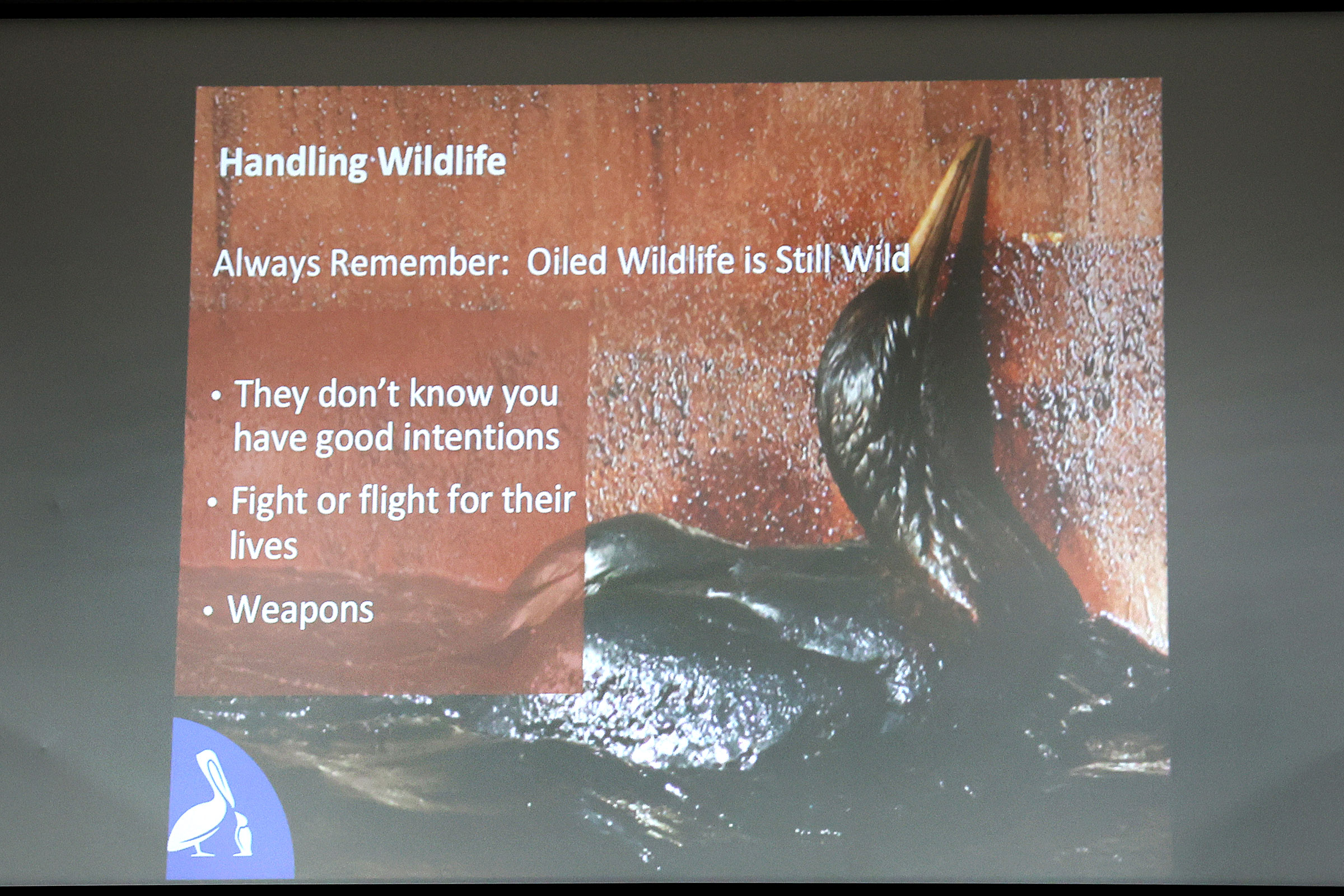
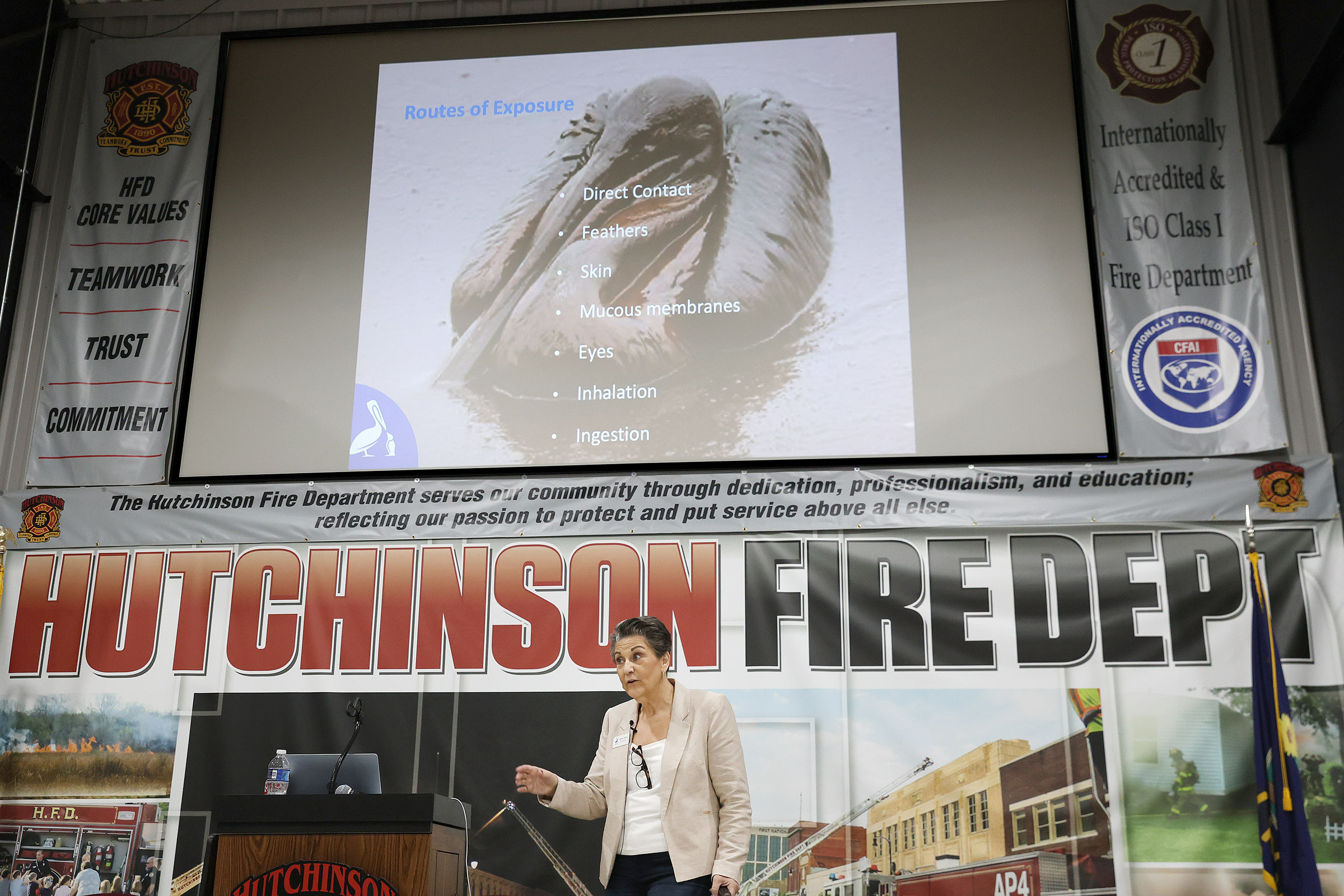
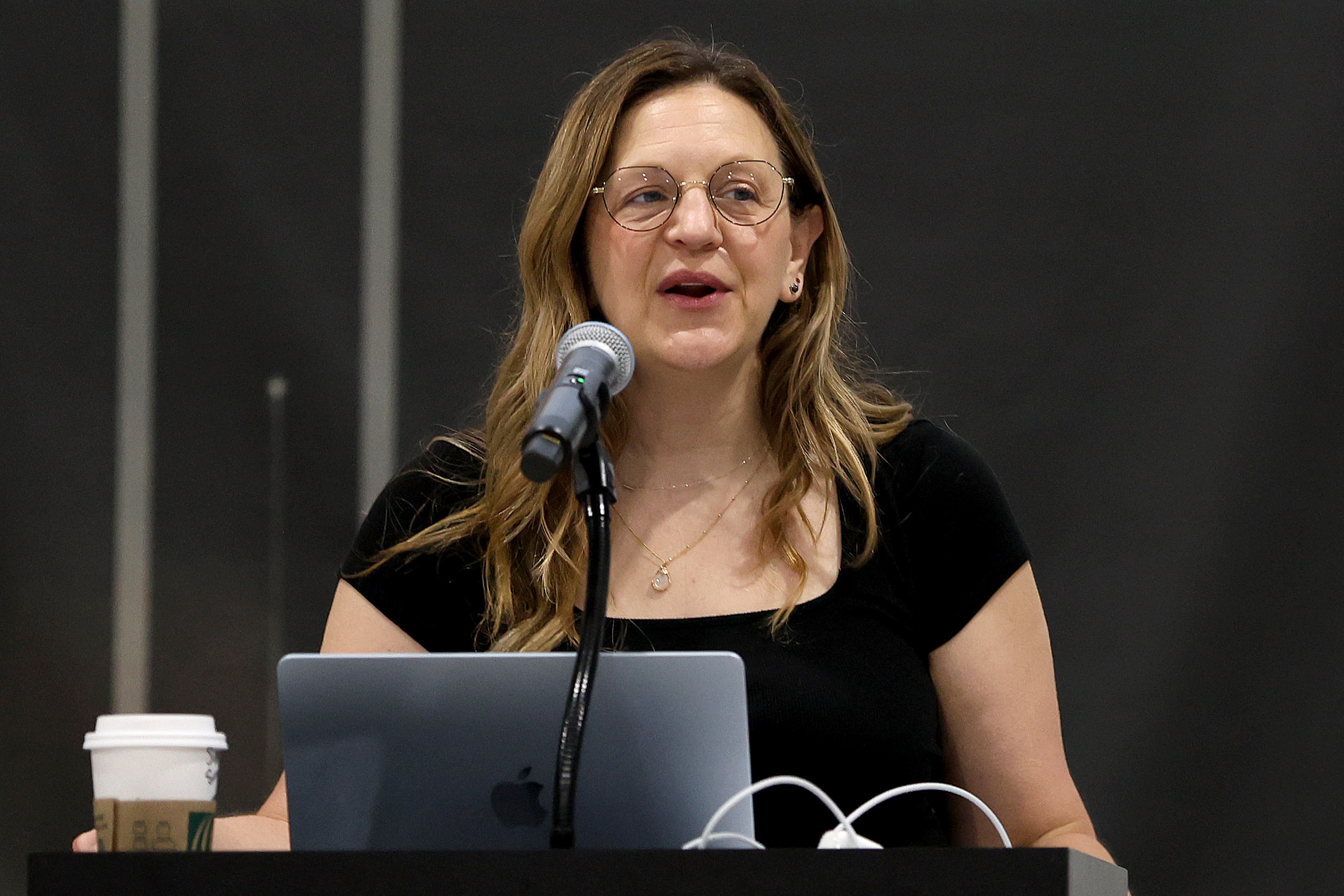
On Wednesday and Thursday morning, Barbara Callahan, Michelle Bellizzi, and Danene Birtell of International Bird Rescue presented information on the process of recovering birds affected by an oil release. This information included details about bird anatomy, washing procedures, capture methods, permits, incident command forms, and specific oil spill case studies from other states and countries.
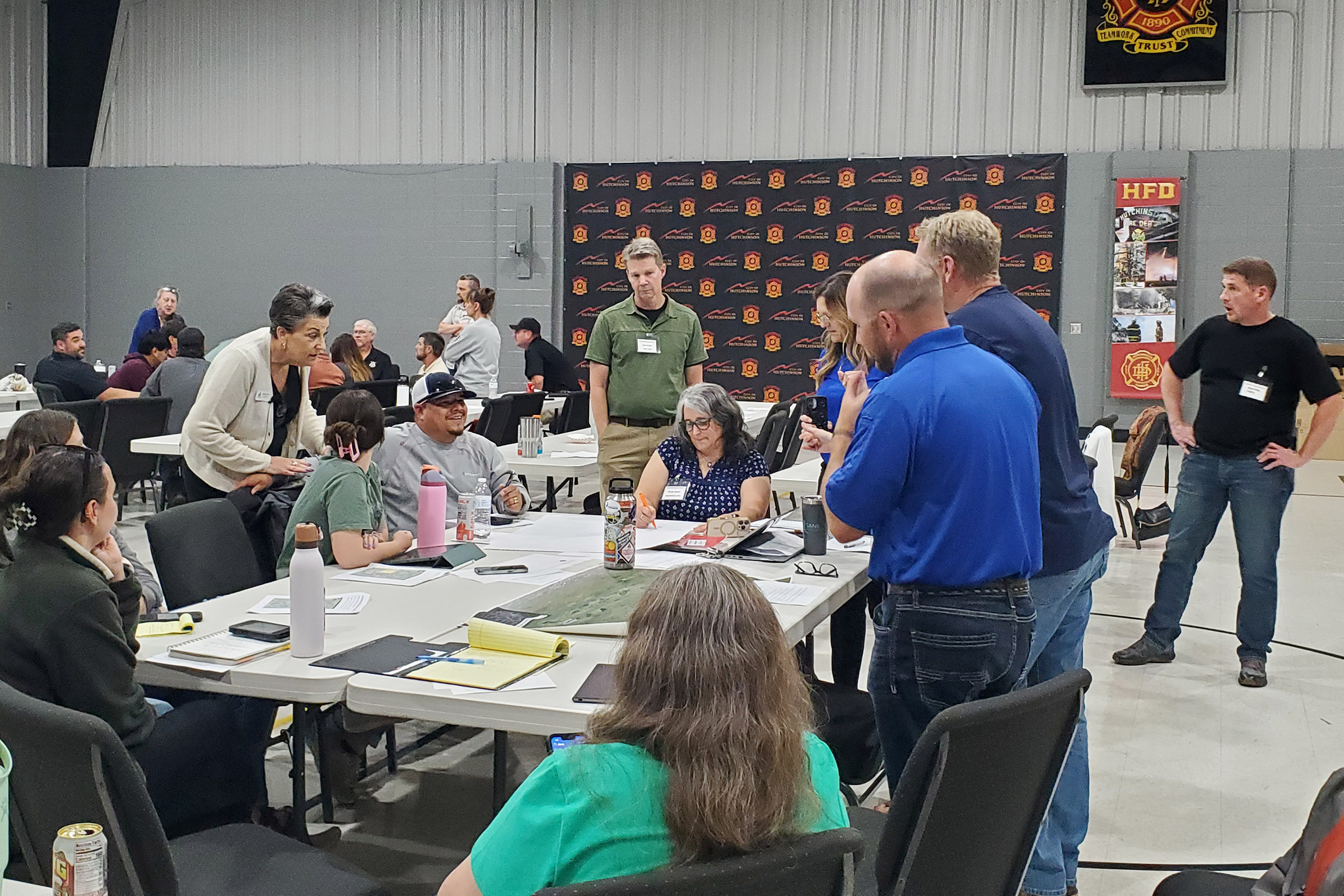
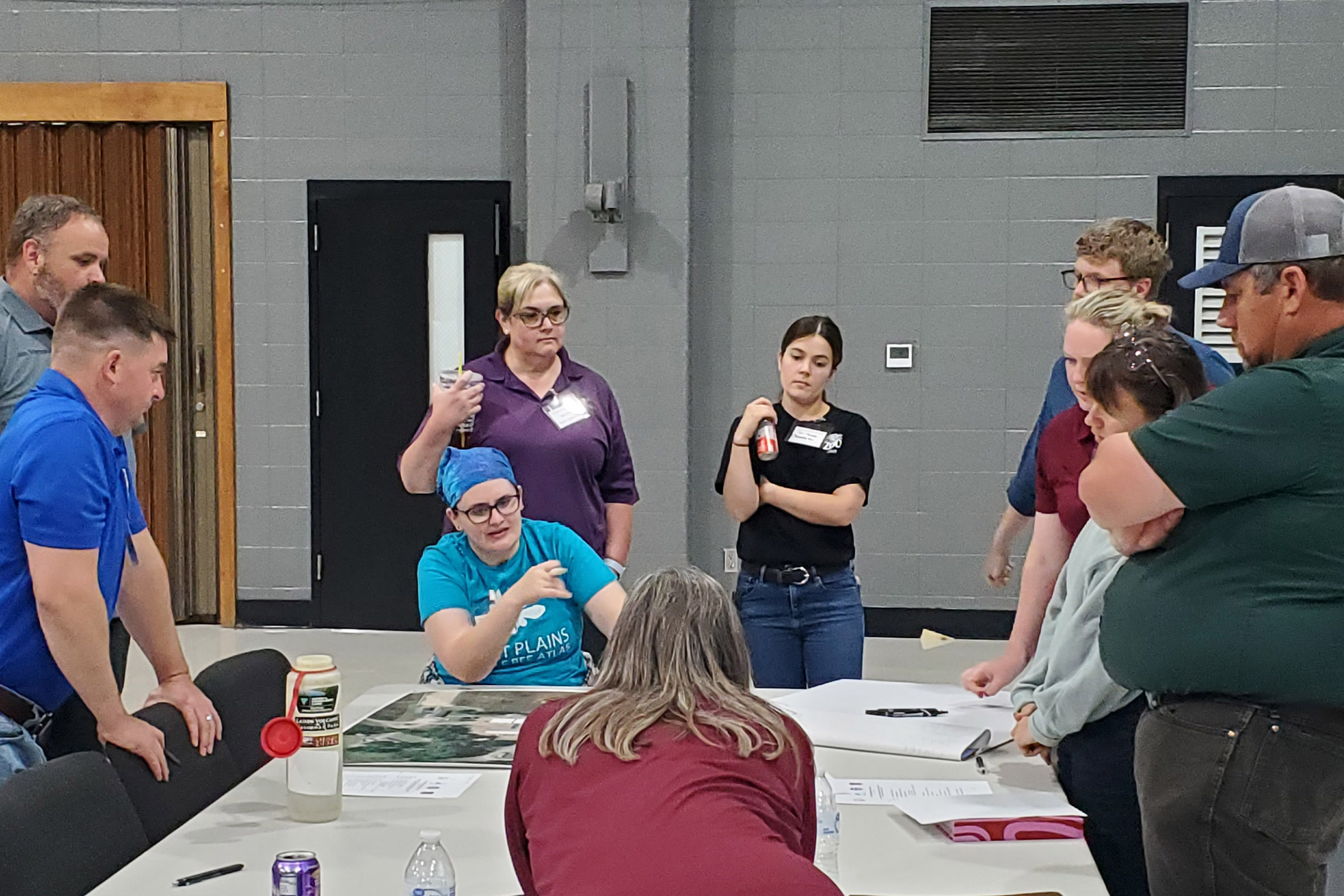
On Thursday afternoon, participants were divided into three groups. Each group was assigned a set of questions related to a specific phase of the response: Field Operations, Stabilization, or Rehabilitation. The groups then reported their findings to the full workshop.
Information gathered during the exercise and workshop will be used to create an Incident Action Plan to supplement the existing contingency plan. The plan can then be adapted for use in other areas and scaled to support responses ranging from small incidents to large-scale events.
Notes taken during the tabletop exercise (TTX) will be used to develop a plan for Quivira National Wildlife Refuge. That plan can then serve as a template for local county response plans.
Photos and story by Sandra J. Milburn, Reno County Communications Specialist and Todd Strain, Reno County Emergency Management Coordinator. Also, photos by Danene Birtell.
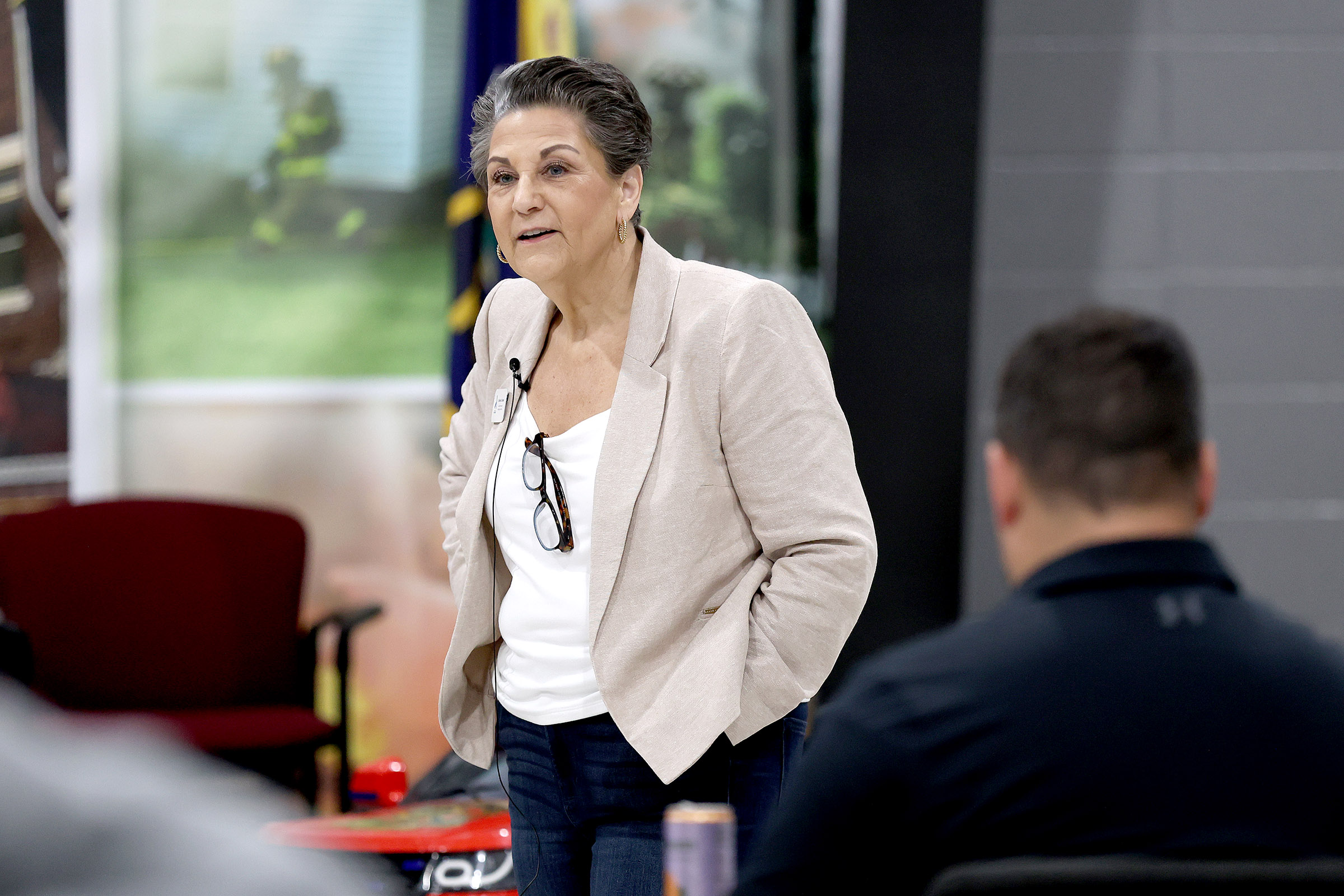 Barbara Callahan, Senior Director of Response Services, International Bird Rescue.
  Michelle Bellizzi, Response & Training Manager, Regional Representative, NorCal, International Bird Rescue.
 Danene Birtell, Preparedness Manager, International Bird Rescue.