View All
“Nobody Plans to Fall”: Practical Fall Prevention Strategies Shared at Department of Aging
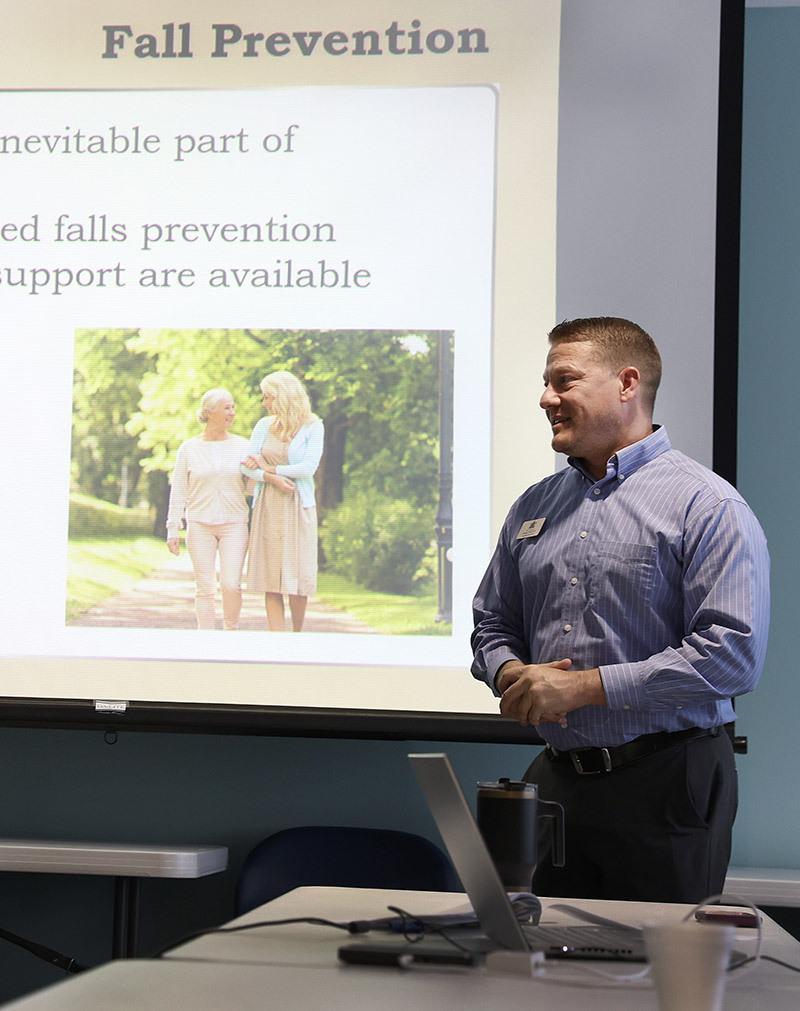
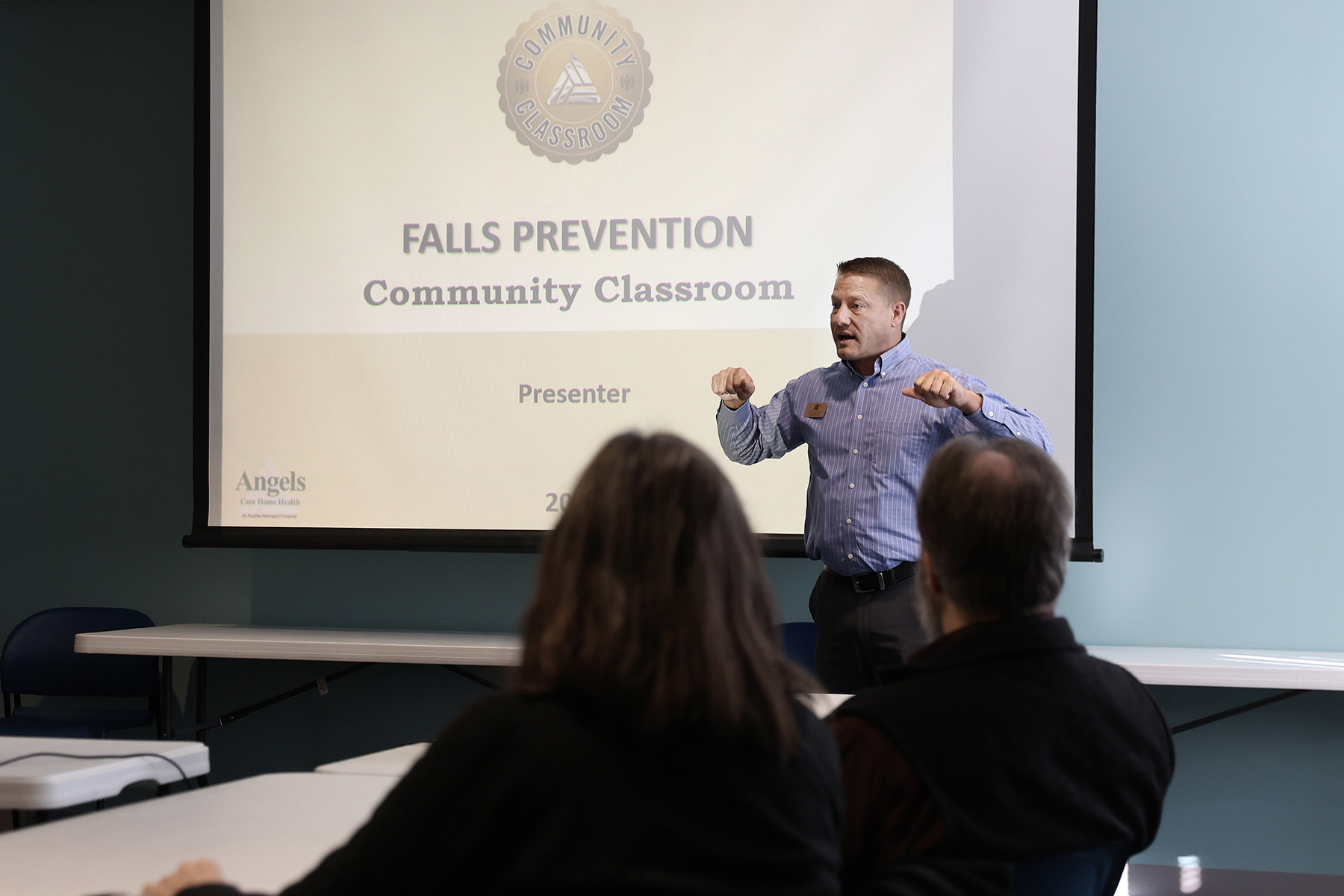
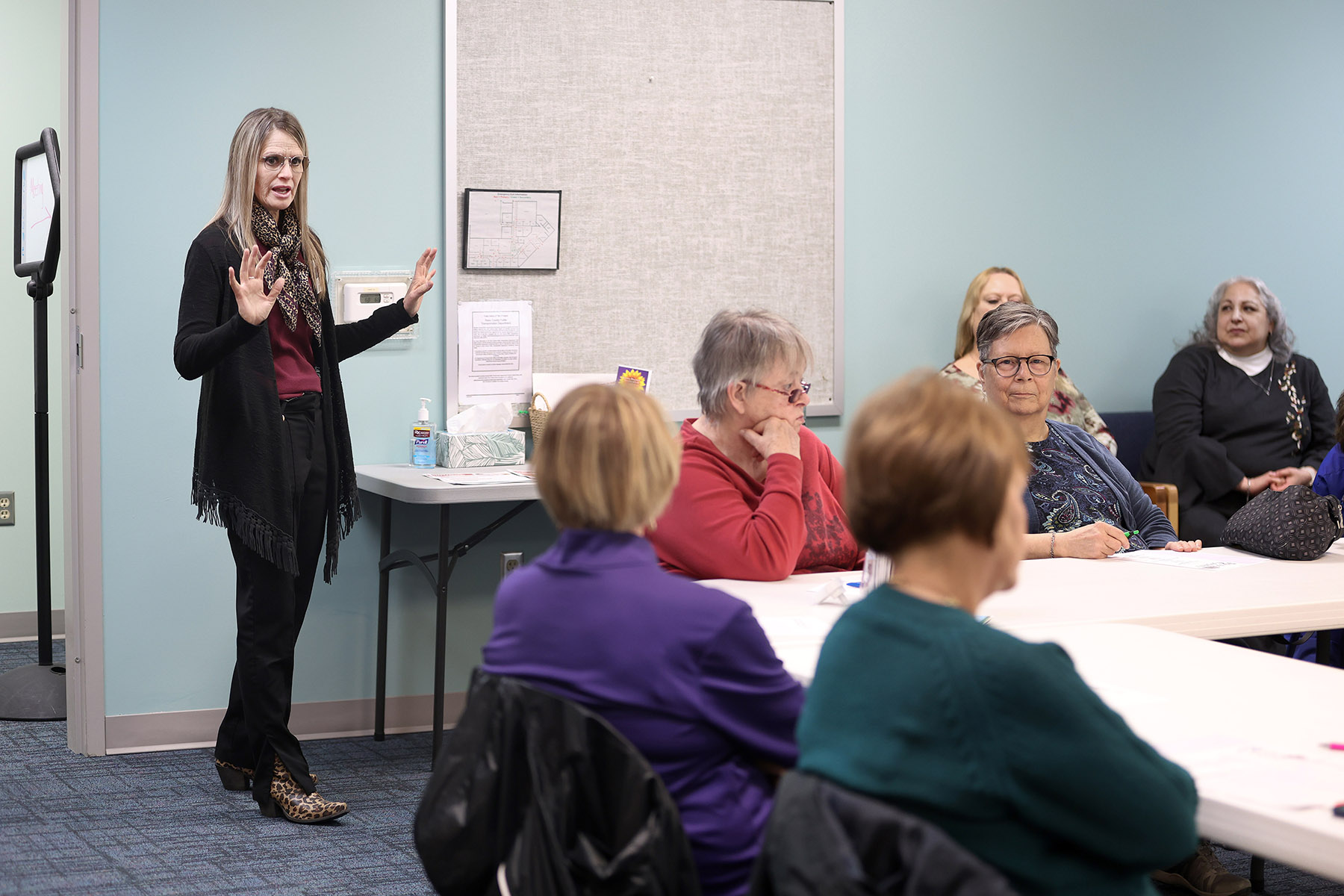
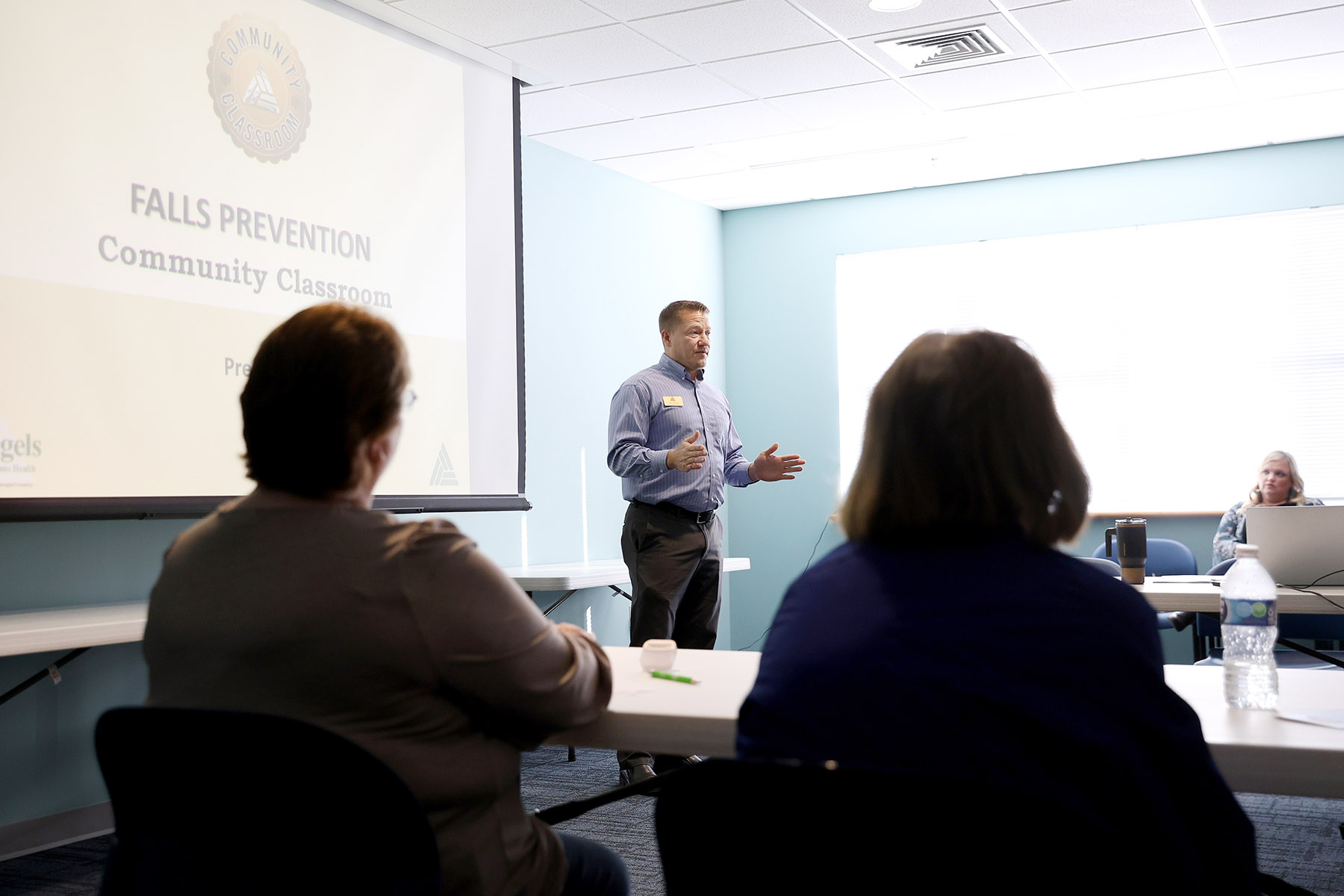 Jeremy McDowell, starts his talk about fall prevention during the Community Collaboration Series on Thursday, Feb. 19, 2026.
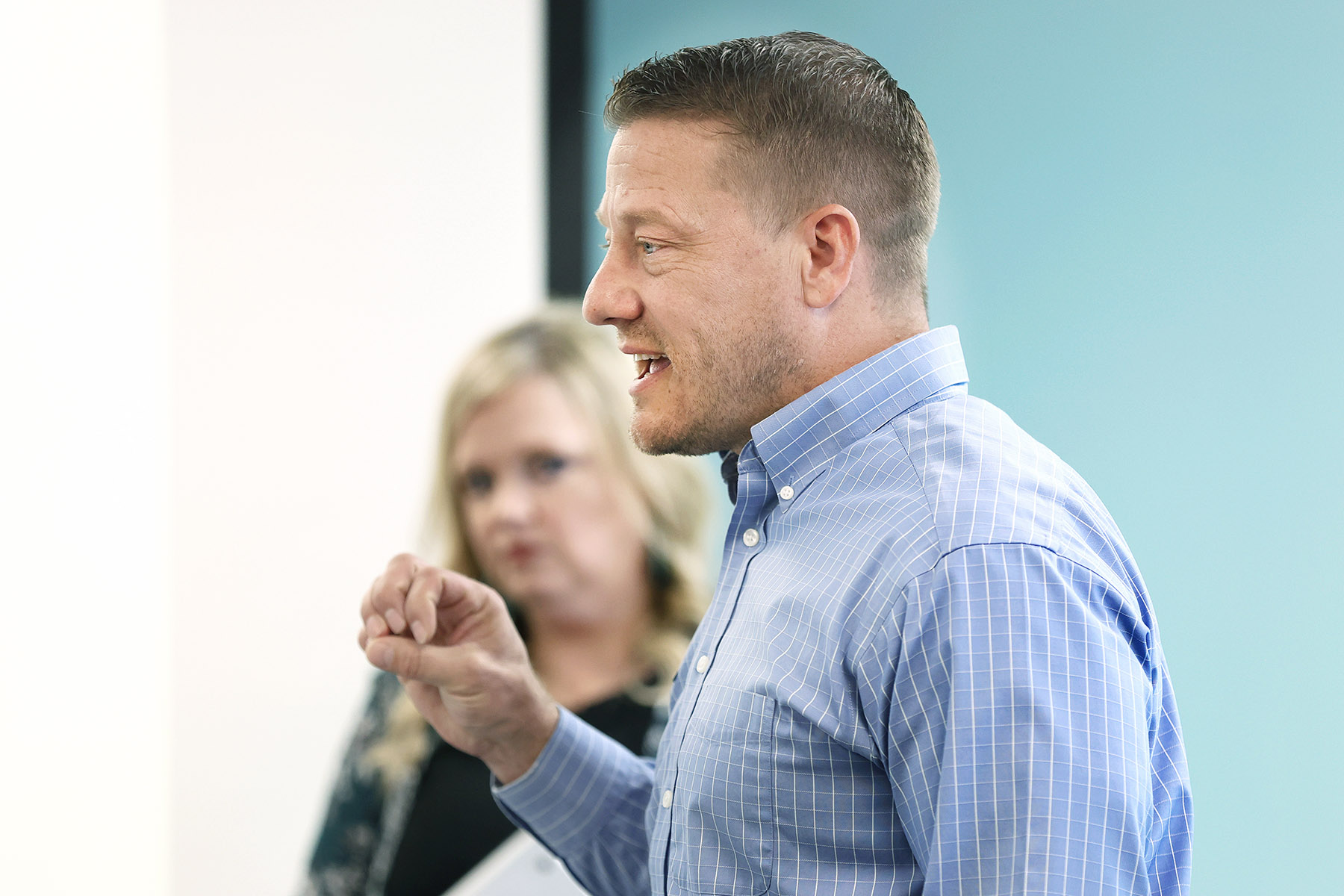
 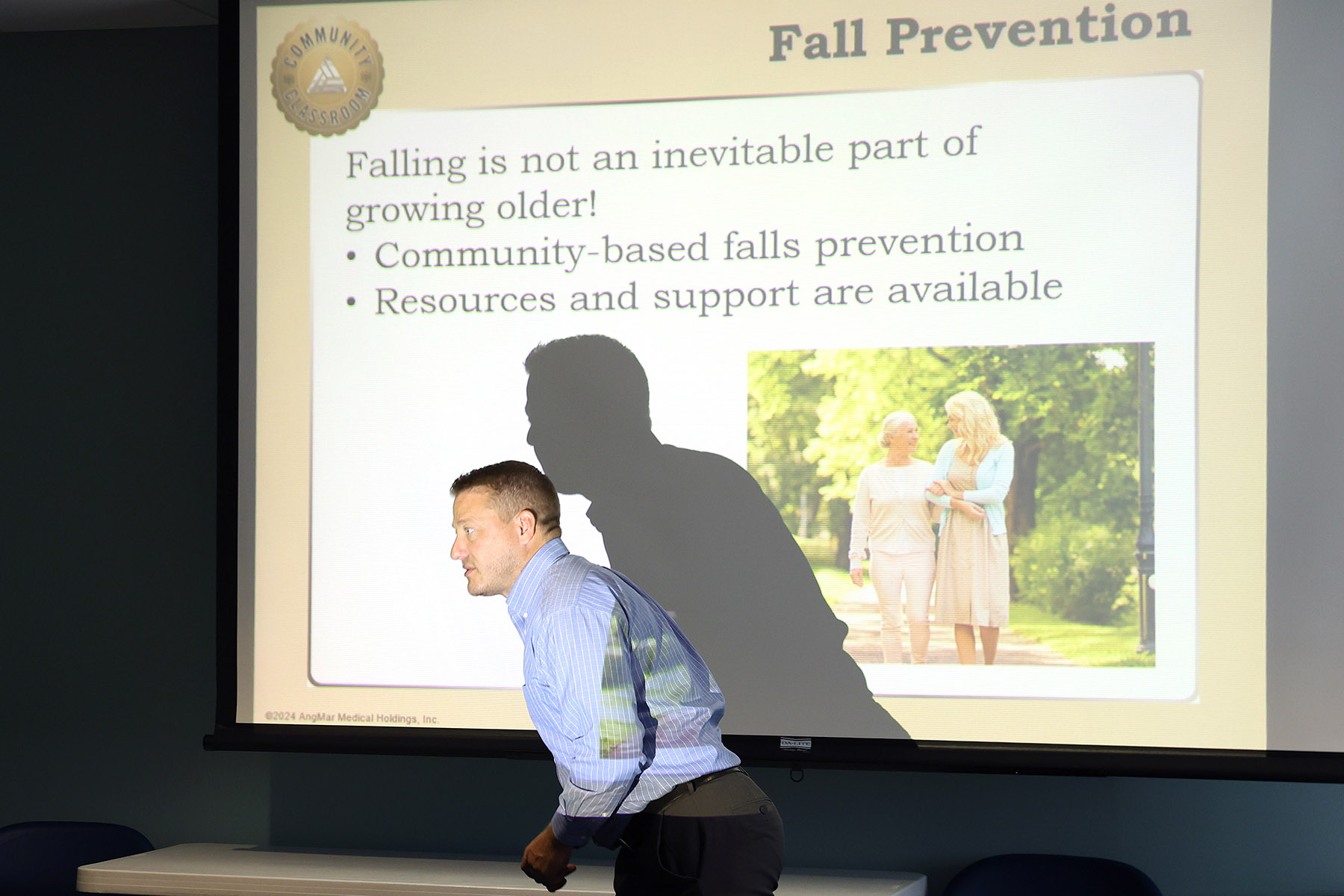 Jeremy McDowell demonstrates how a adjustment in weight can cause an imbalance during his talk.
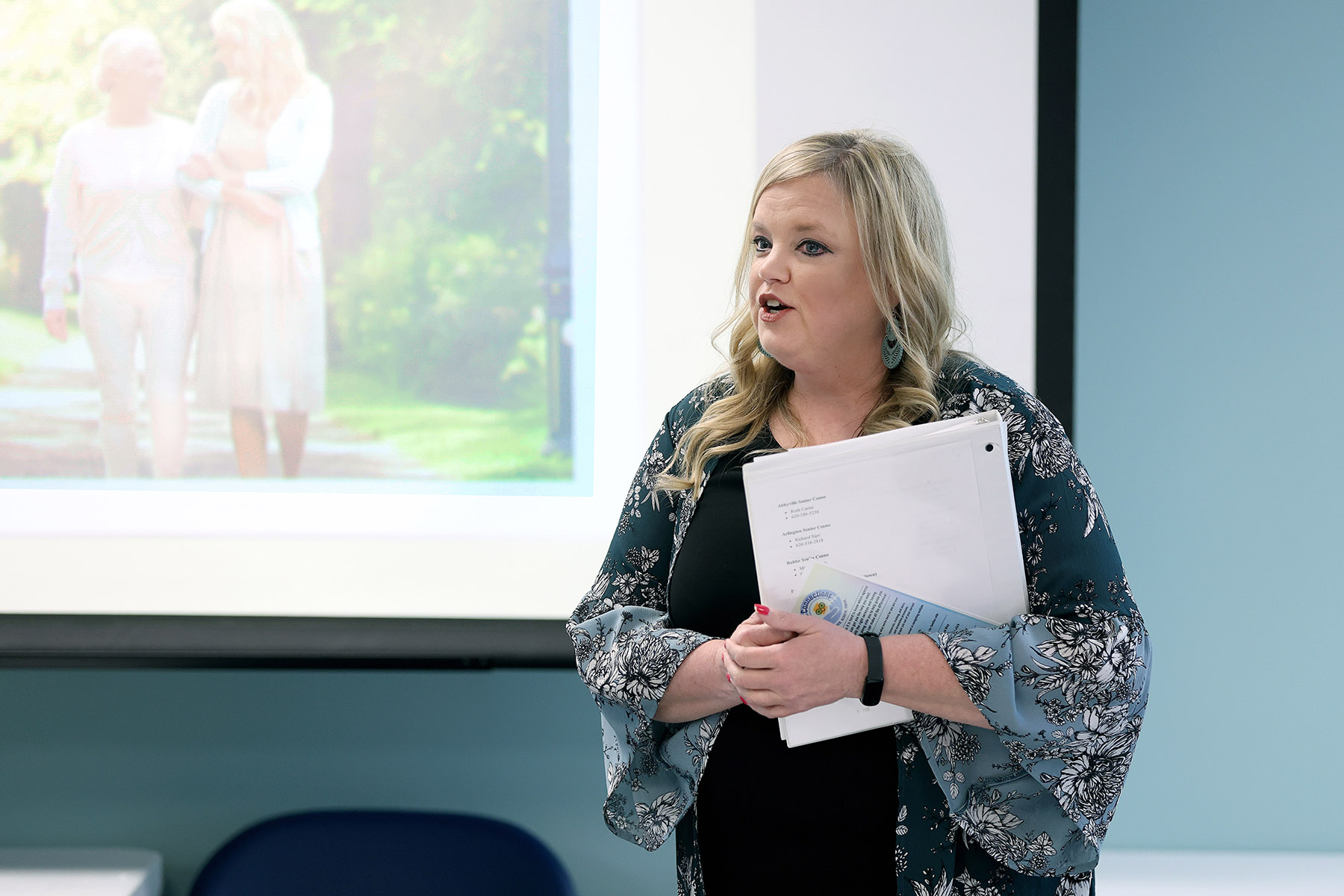
 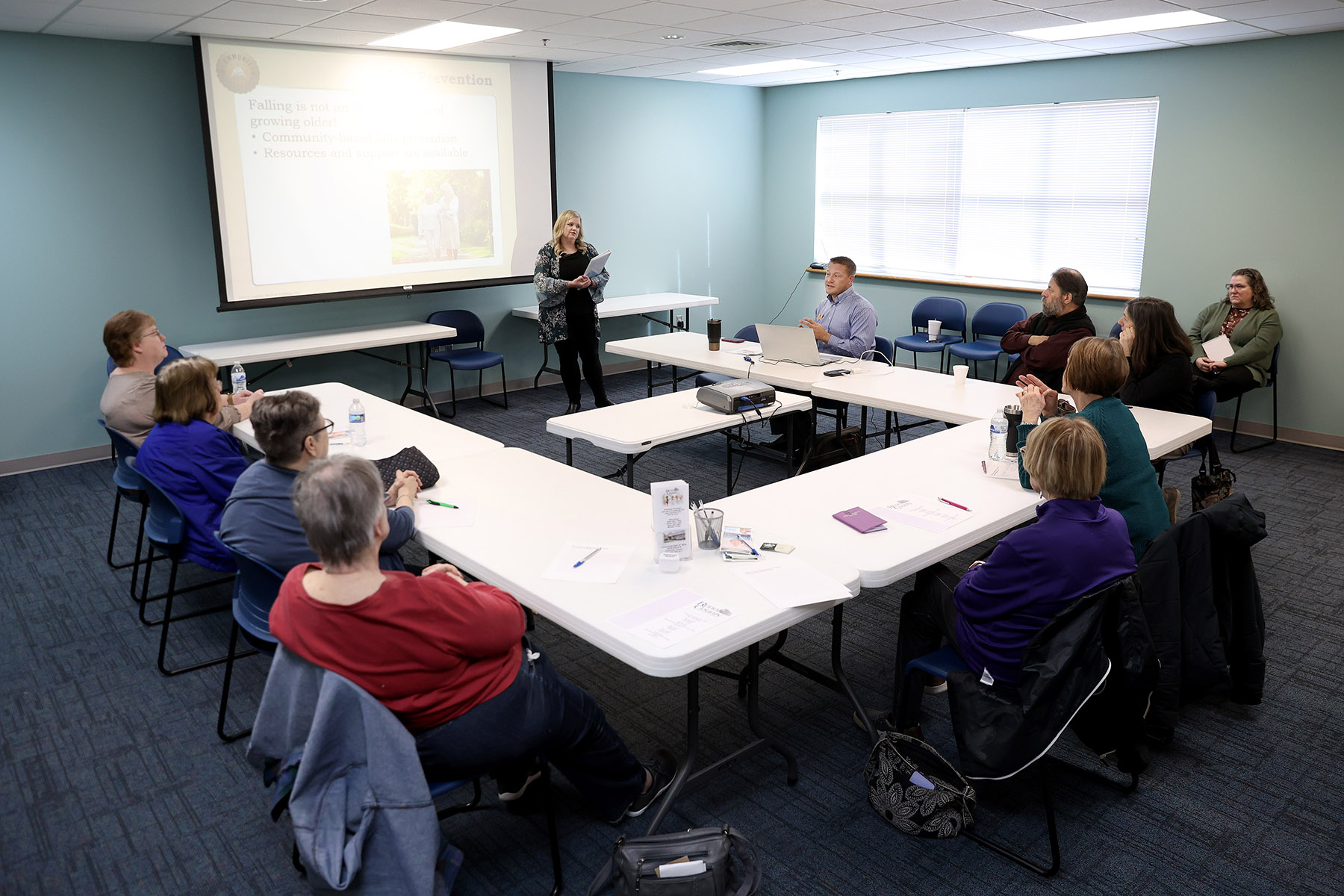 Cara Conaway, Information and Outreach Program Coordinator, talks to attendees about the information that is offered for free at the Department of Aging.
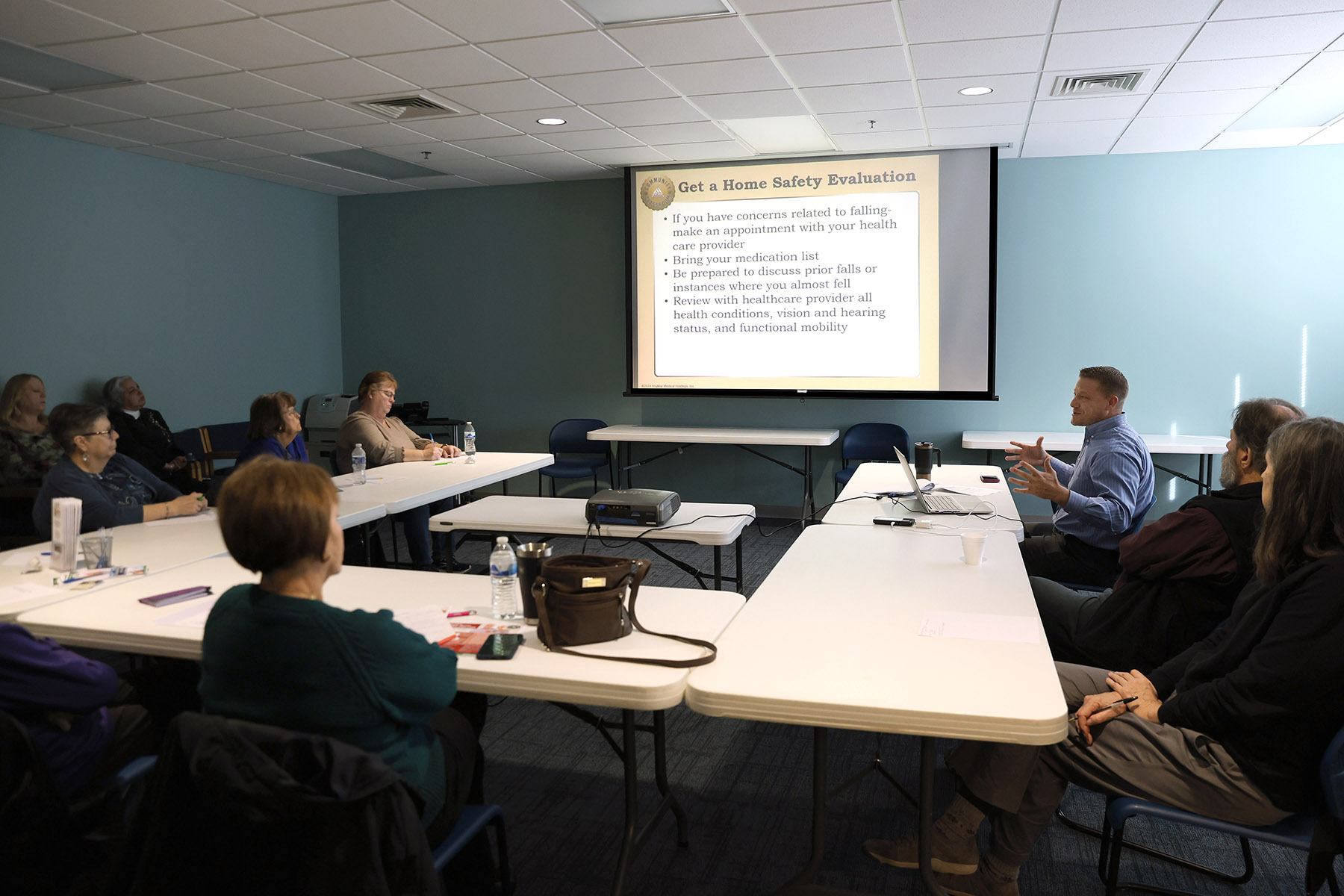
Jeremy McDowell, Account Executive with Angels Care Home Health, served as the featured speaker for the Reno County Department of Aging’s Community Collaboration Series on February 19, 2026. His presentation focused on fall prevention and the reality that “nobody plans to fall today,” yet falls often happen during routine activities such as reaching too far, carrying too much, rushing on stairs, or trying to complete tasks without assistance. Through real-life examples, he emphasized how small environmental adjustments and proper use of equipment can prevent serious injuries, hospitalizations, and loss of independence.
Jeremy explained that while falls are common among older adults, they are not an inevitable part of aging. Risk increases due to factors such as muscle loss from inactivity, slower reflexes, chronic medical conditions, medication side effects, poor vision or hearing, low vitamin D, and home hazards like clutter, loose rugs, and poor lighting. He encouraged participants to take proactive steps—staying active, reviewing medications, improving home safety, and asking for help when needed—to reduce fall risk and maintain independence. The session also highlighted local resources available through the Reno County Department of Aging to support residents and caregivers.
Key themes and takeaways
Falls often happen during everyday tasks
The session opened with real-world examples of common fall scenarios, including:
Changing bed sheets and losing balance while pulling linens
Carrying groceries (hands full, tripping on steps, losing balance)
Reaching too far or pushing too hard (e.g., stuck closet doors that suddenly give way)
A repeated message throughout the presentation: “Nobody planned on falling today.” Jeremy encouraged attendees to avoid “getting too brave,” and to ask for help before a moment turns into an ER visit or surgery.
What increases fall risk as we age
Jeremy explained that falls are not “inevitable,” but risks increase due to a combination of factors, including:
Slower reflexes and reaction time
Muscle loss and reduced strength (often tied to inactivity)
Bone loss/osteoporosis (especially a concern for women)
Chronic conditions like heart disease (dizziness/fatigue), diabetes (loss of sensation), arthritis (reduced mobility), COPD, Parkinson’s, low blood pressure, vision issues, and confusion
Medication side effects, especially when starting or changing prescriptions
Low vitamin D and less sunlight exposure
Environmental hazards at home and outdoors (rugs, cords, poor lighting, uneven ground, snow/ice)
He also noted nutrition can play a role—especially protein intake—since reduced appetite and cooking less can contribute to weakness over time.
Caregivers are at risk, too
Jeremy highlighted the physical and emotional toll caregiving can take, noting:
Many caregivers are older adults themselves
Caregivers often experience physical strain and fear of a loved one falling
Preventing falls can reduce stress, time, and cost for both the caregiver and the person receiving care
Prevention strategies people can start now
Jeremy shared practical steps attendees can act on immediately:
Make the home safer (inside):
Improve lighting (especially bed-to-bathroom paths)
Clear walkways and remove clutter
Secure rugs and repair worn carpet
Use grab bars (towel bars aren’t enough)
Reduce slippery surfaces; address spills quickly
Avoid socks/loose slippers
Ensure sturdy chairs/beds that are easy to get in/out of
Make the home safer (outside):
Avoid ladders; ask for help reaching high areas
Keep pathways swept and well lit
Fix uneven walkways; mark step edges for visibility
Manage slick surfaces (leaves, moss, snow/ice)
Use the right equipment the right way:
Canes, walkers, and reachers can prevent falls—but only if used correctly
A key example shared: someone using a convenient walker rather than the correct one, leading to a serious fall and spinal injury
Stay active:
Jeremy emphasized exercise improves strength, balance, confidence, and mobility. Even small steps help, including:
Walking indoors while on the phone
Stretching (standing or seated)
Chair-based movement or light strength work at home
Review medications and check vision/hearing:
Ask doctors/pharmacists to review medications for side effects like dizziness or drowsiness
Regular vision/hearing checks help reduce balance-related risks
Foot care and footwear matter:
He shared an example where a wound wouldn’t heal because a nail was stuck in a shoe—the person couldn’t feel it due to reduced sensation.
Local resources highlighted by the Department of Aging
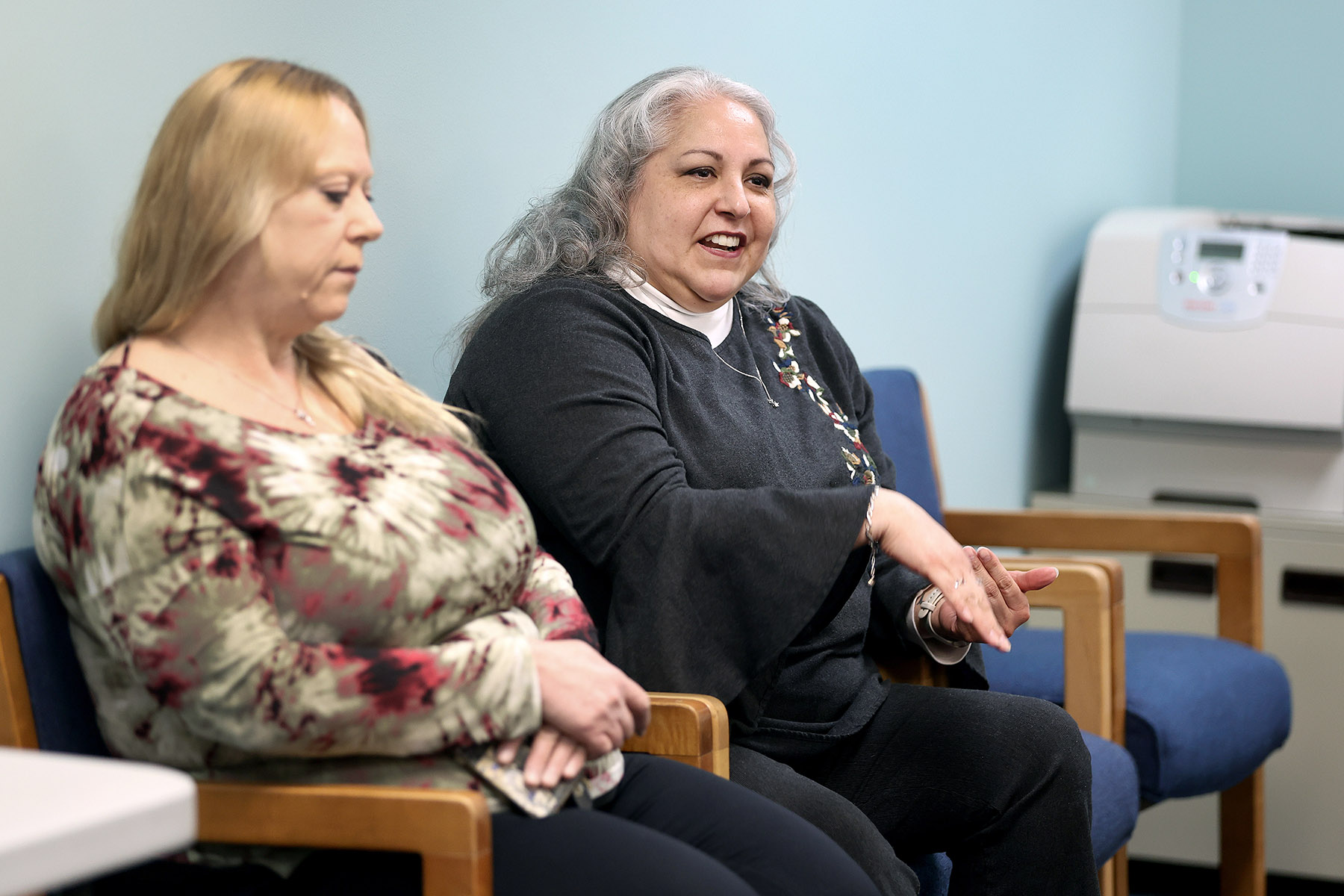
Department staff reinforced that their office is a “starting point” for residents who aren’t sure where to begin—whether it’s Medicare questions, home care, caregiver support, or general resources.
They also shared community resources such as:
Interfaith Housing (can help install grab bars and provide basic home safety support)
Local activity options including chair-based exercise programs and other fitness opportunities (e.g., classes at area facilities)
Important reminder: Department of Aging resource assistance is free to residents—“If you’ve paid Reno County tax dollars, all you have to do is call.”
Jeremy closed by encouraging attendees to recognize changes in their bodies and environment early, avoid rushing, and treat home modifications as an investment in independence. Department staff echoed that message, emphasizing: start where you are, and reach out if you don’t know where to begin—support is available.
The Department of Aging holds these events to increase awareness, provide practical tools, and help residents navigate available support systems. The goal is to empower individuals to age safely and independently while knowing where to turn for guidance, services, and assistance within Reno County.
The Department of Aging announced these "Save The Dates" for the next Community Collaboration Series sessions:
March 12, 2026: Pet Therapy with Tara Willard
April 16, 2026: Hope Jordan will present on What You Need to Know About Senior Living Decisions
May 21, 2026: Paula Miller will discuss nutrition and disease prevention, including personalized nutrition insights
June 18, 2026: A team from Gentiva will present Hospice 101, covering modern hospice care and chronic condition support
These sessions all will be at 9:30 a.m. at the Department of Aging, 120 W. Avenue B, in Hutchinson. Please RSVP at 620-694-2911.
 Jeremy McDowell, Account Executive with Angels Care Home Health
 Jeremy McDowell, Account Executive with Angels Care Home Health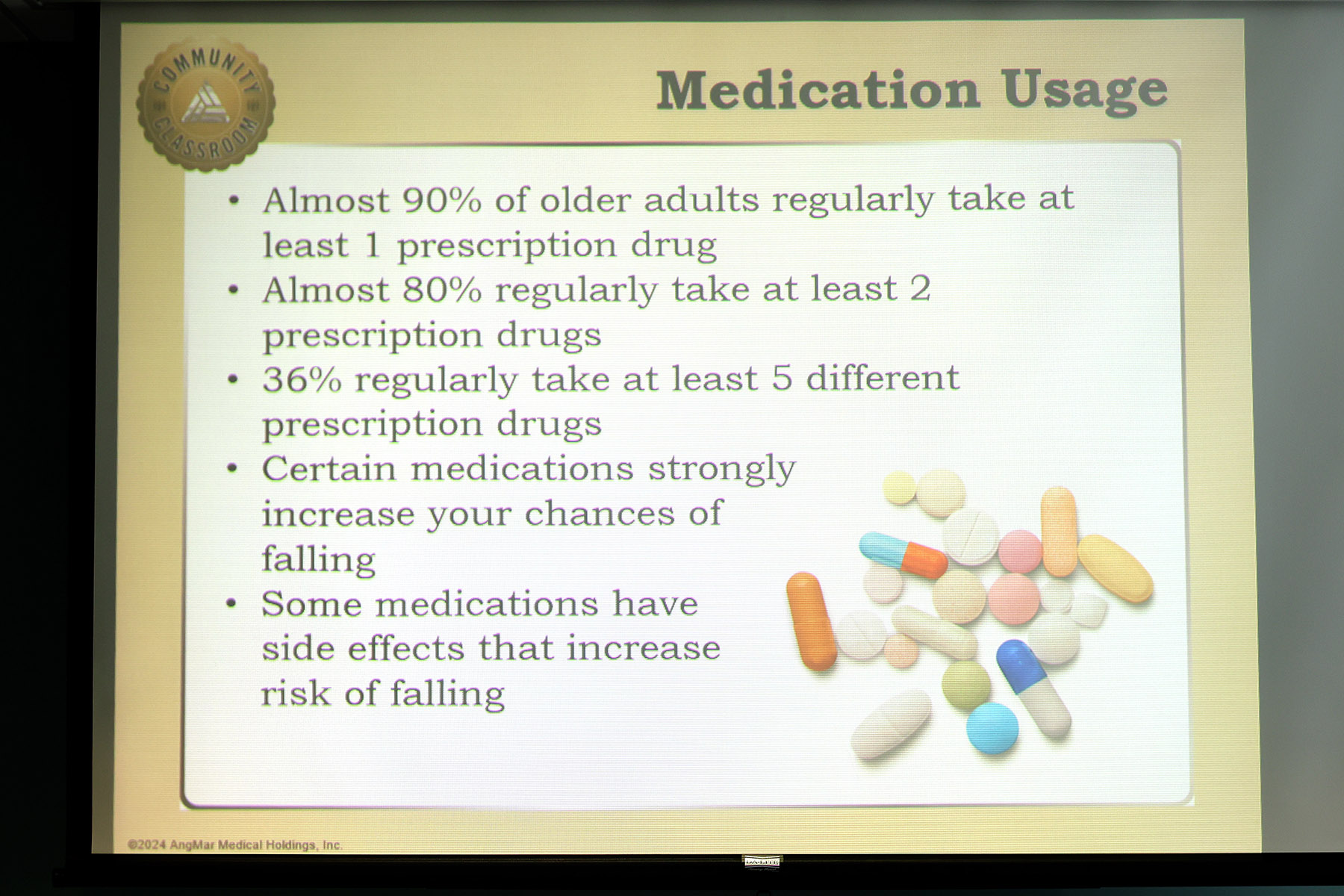
 Jeremy McDowell, Account Executive with Angels Care Home Health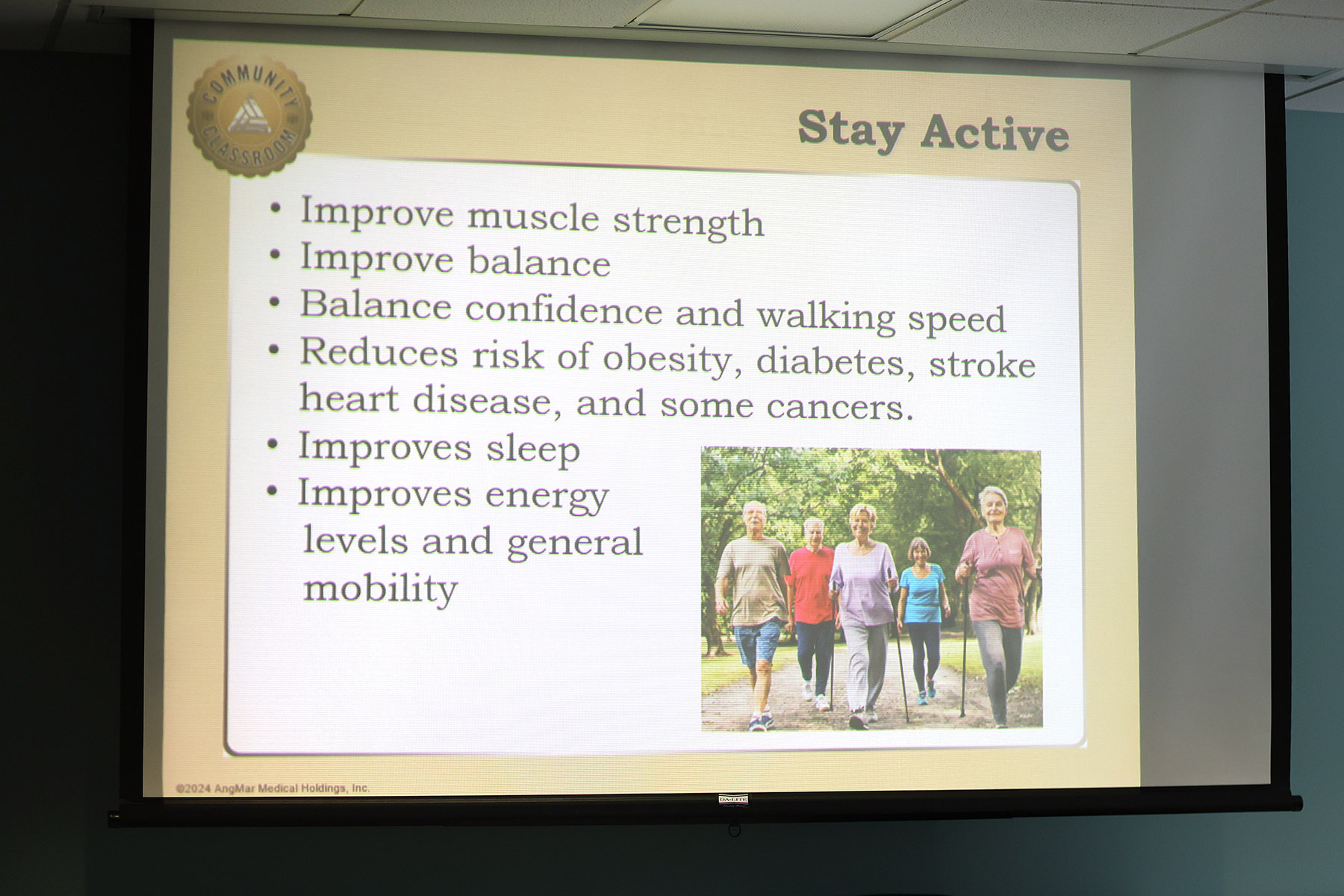
 Cara Conaway, Information & Outreach Program Coordinator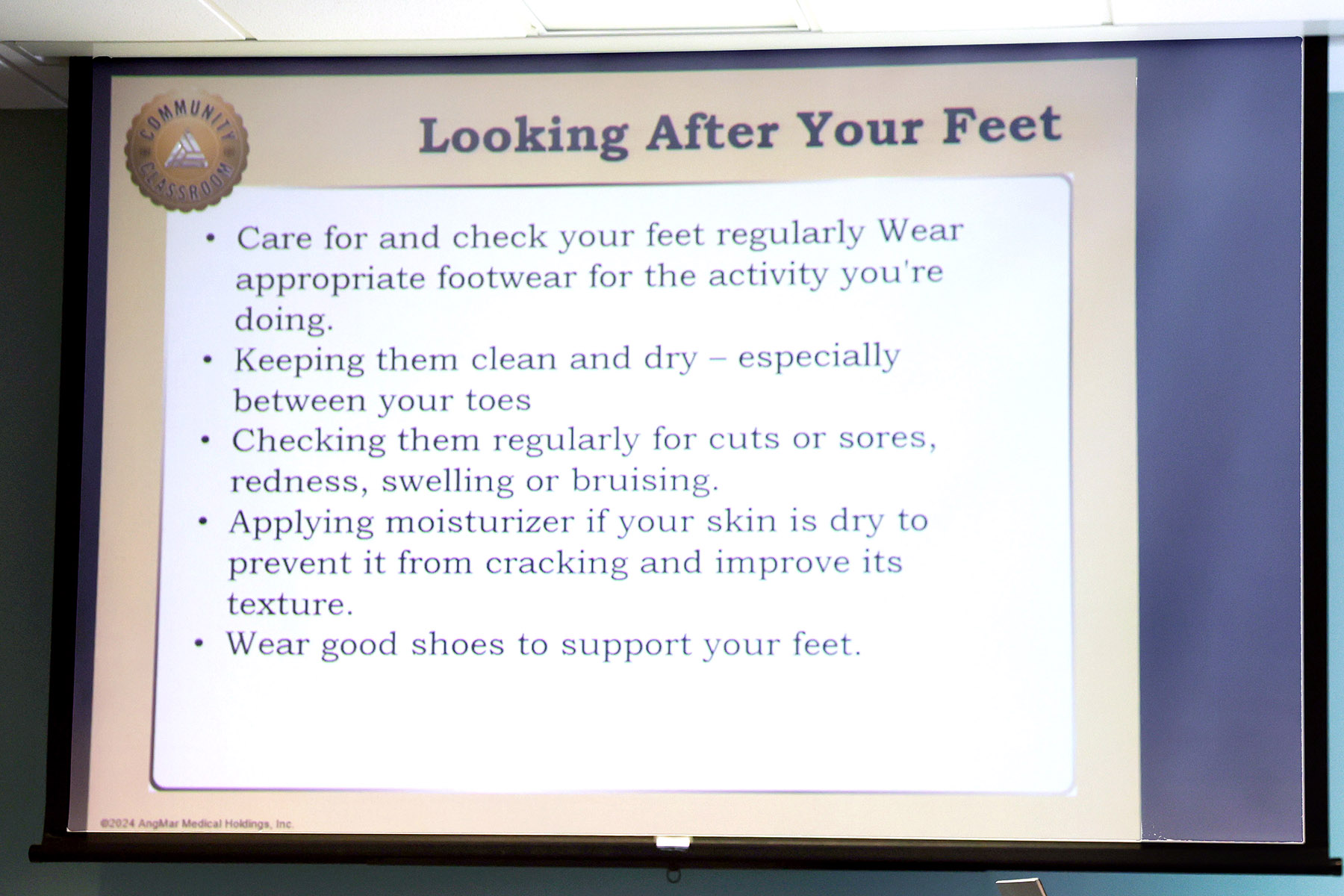
 Kandace Bonnesen, Director of Dept. of Aging and Public Transportation
 Natalie Goertzen, Assistant Director for the Department. of Aging and Transportation