View All
Community Collaboration Series Sparks Powerful Conversation on Nutrition and Preventative Health
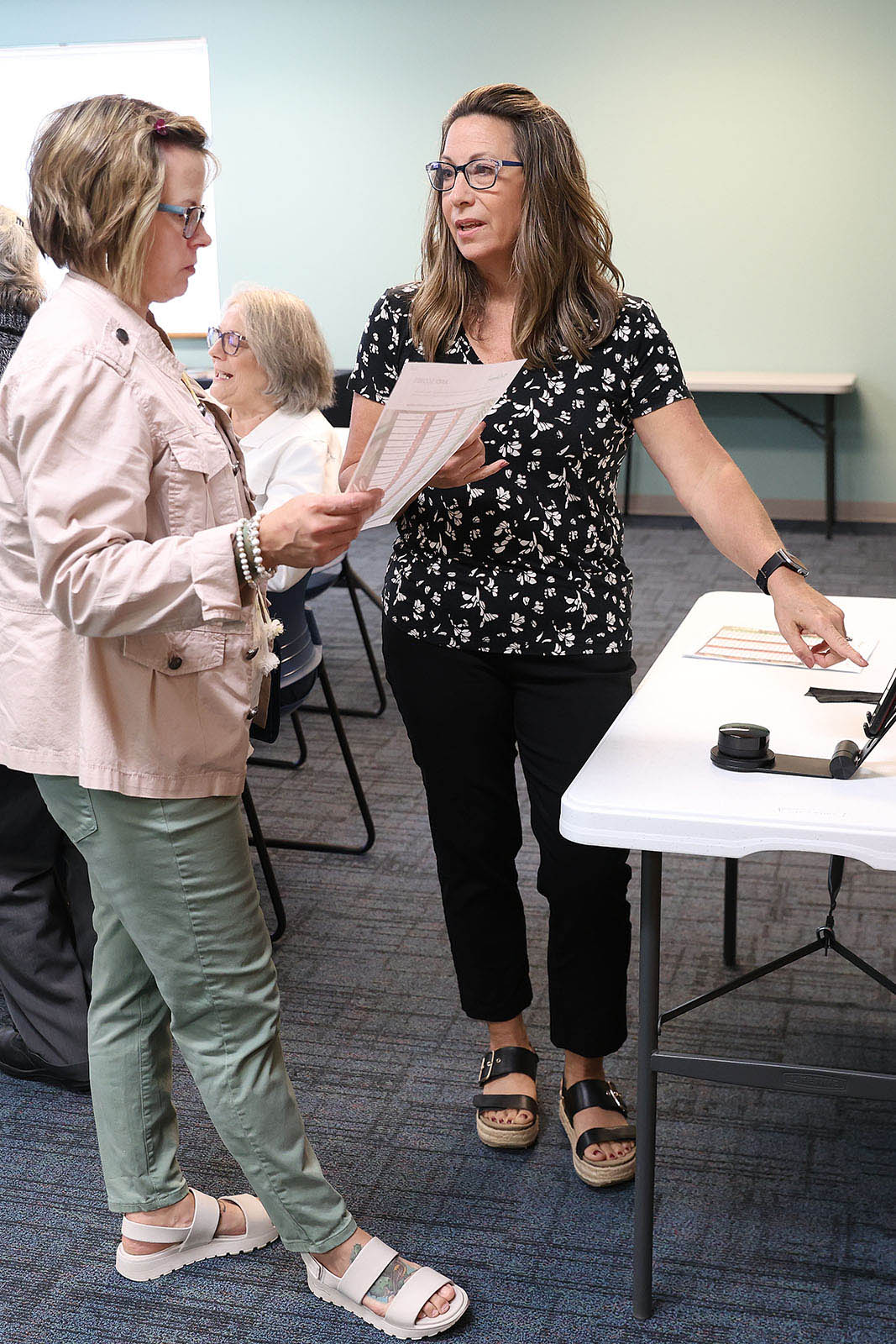
What started as a presentation about nutrition quickly became a deeply personal and passionate conversation about health, aging, chronic disease and the power of food to change lives.
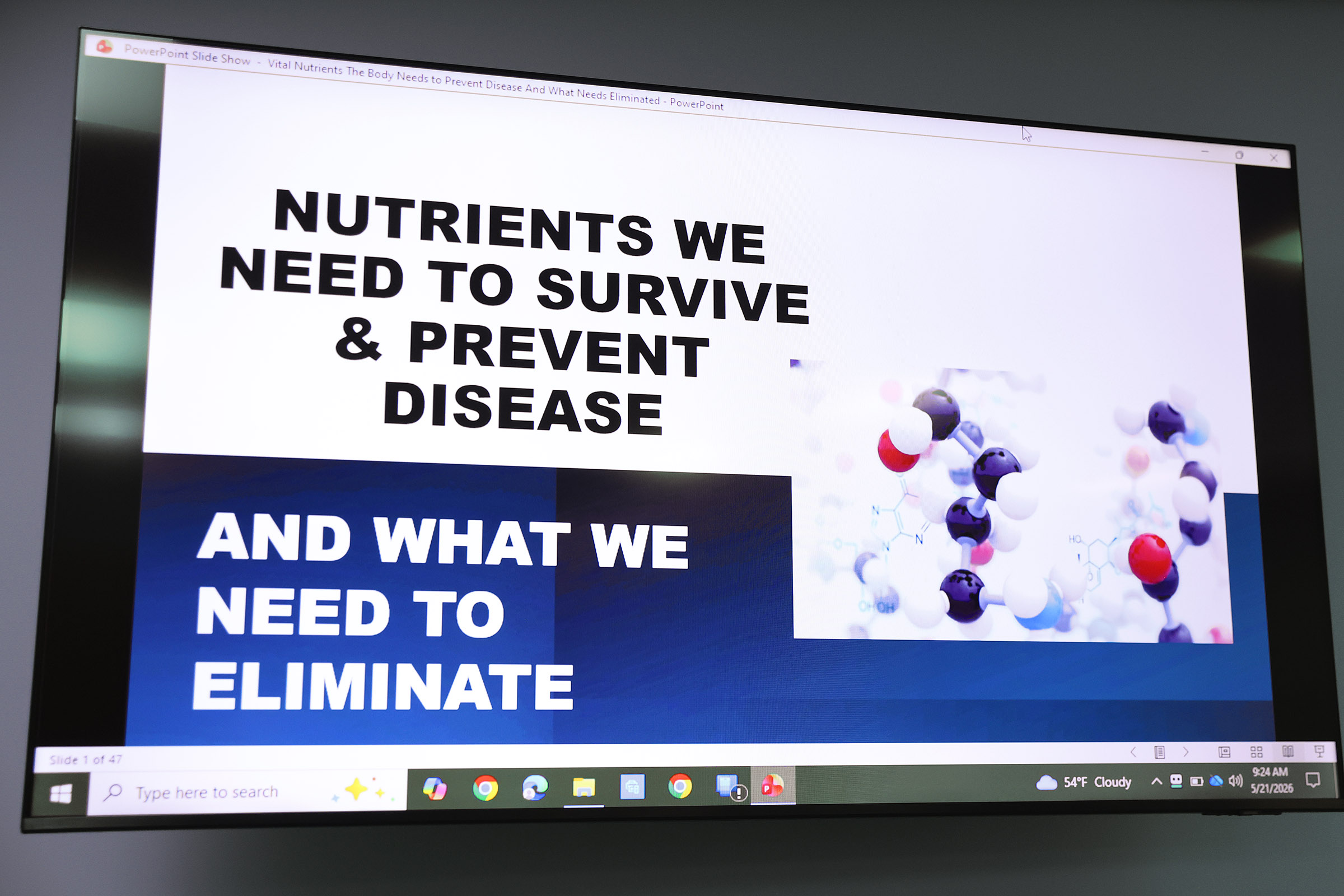
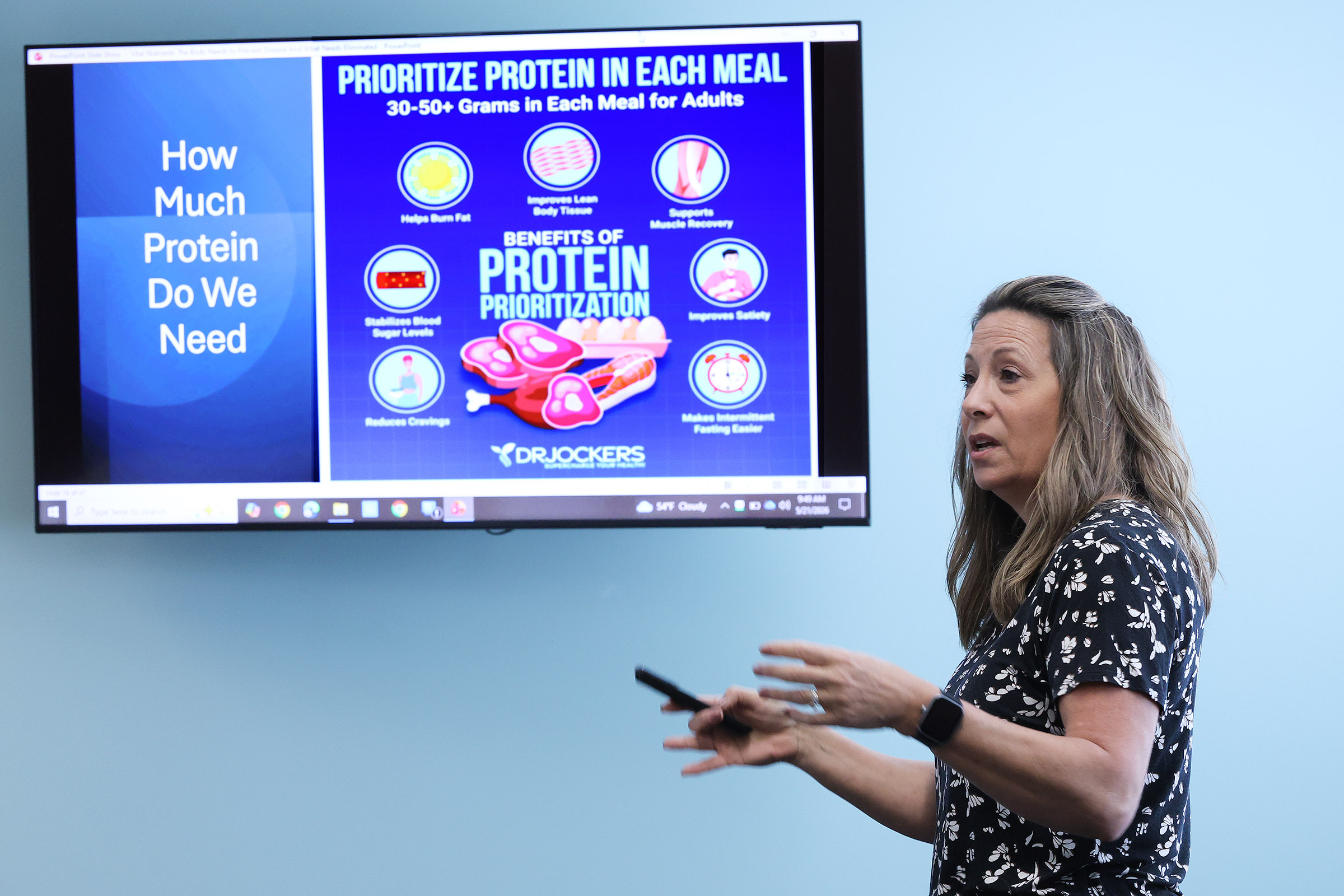
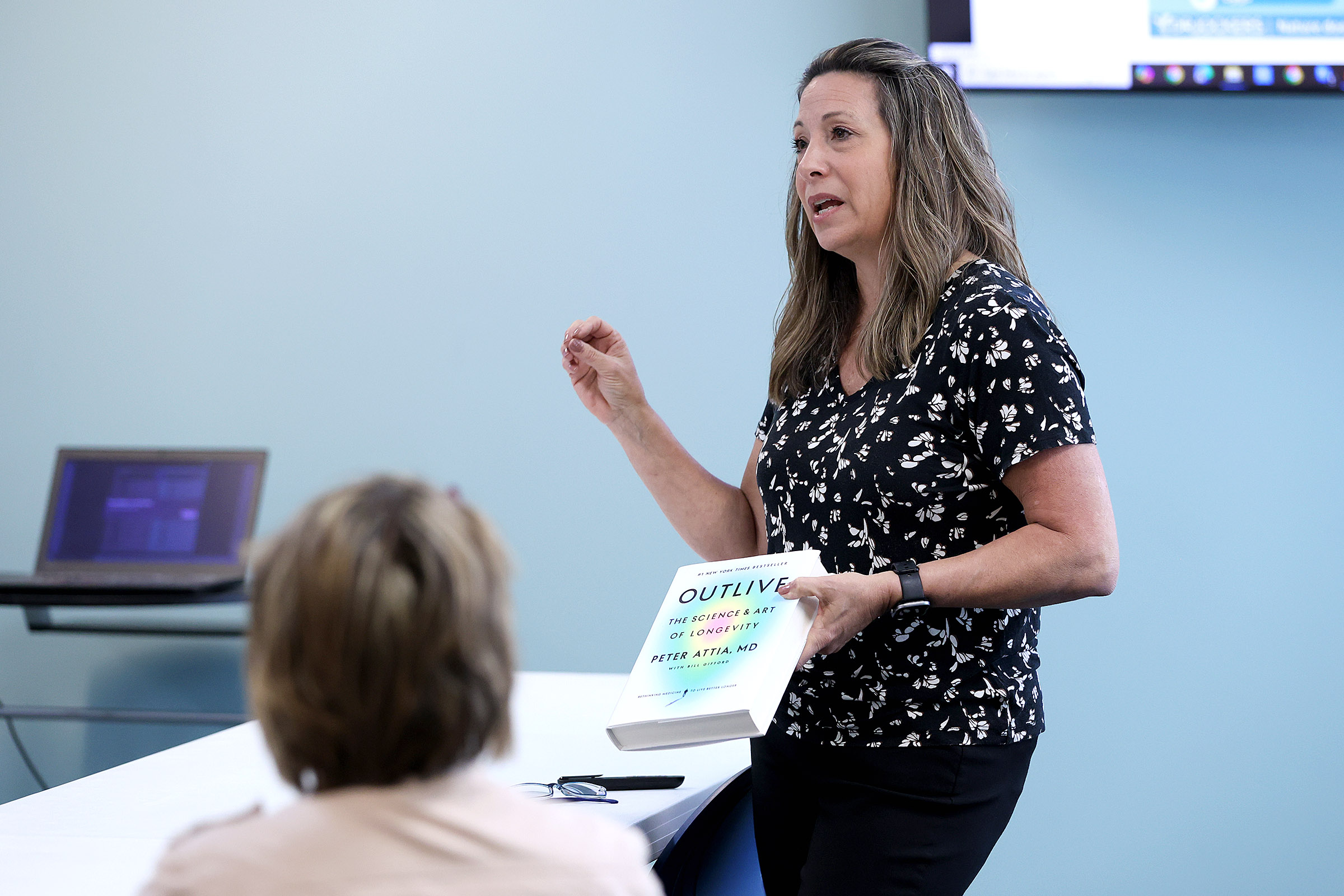
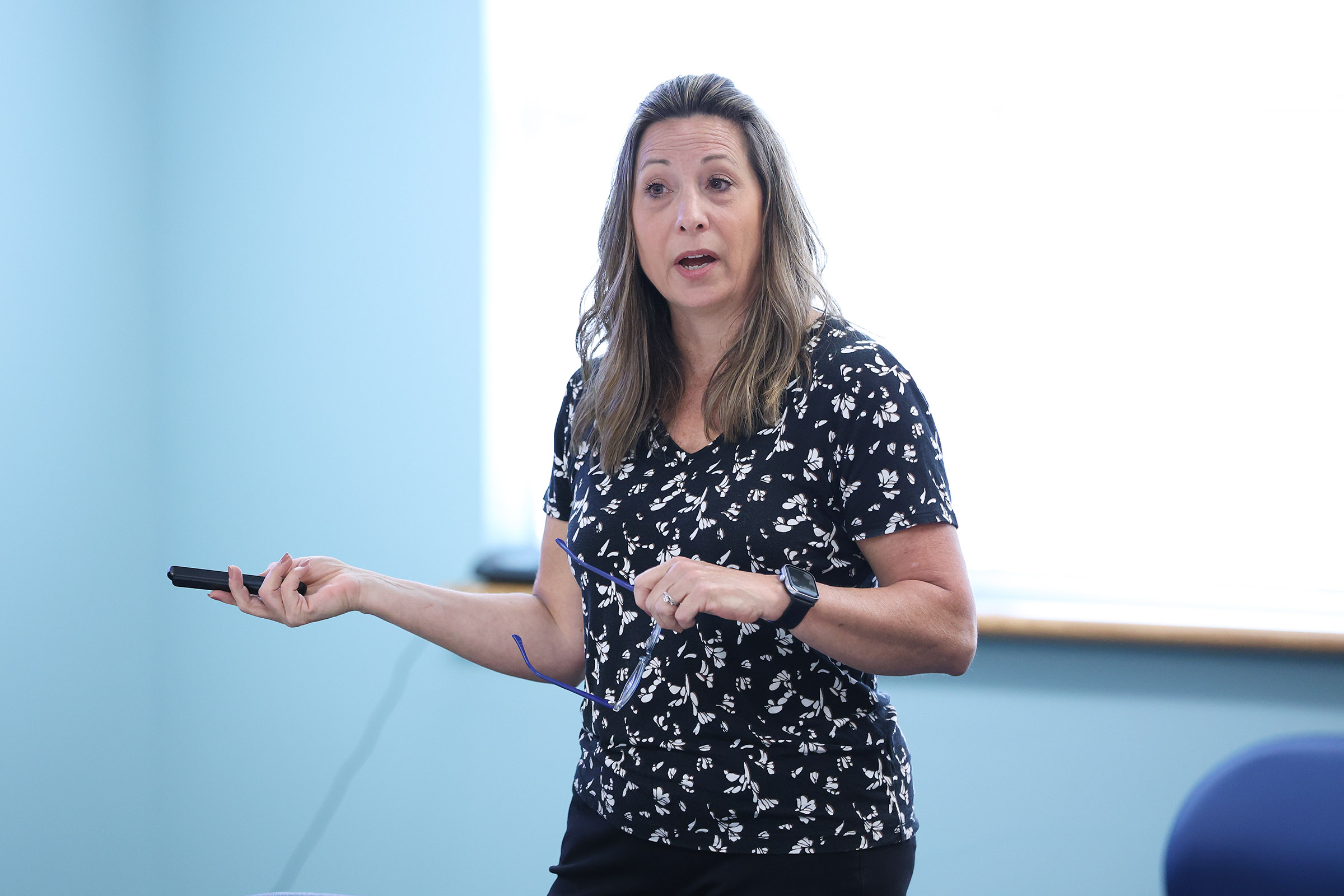
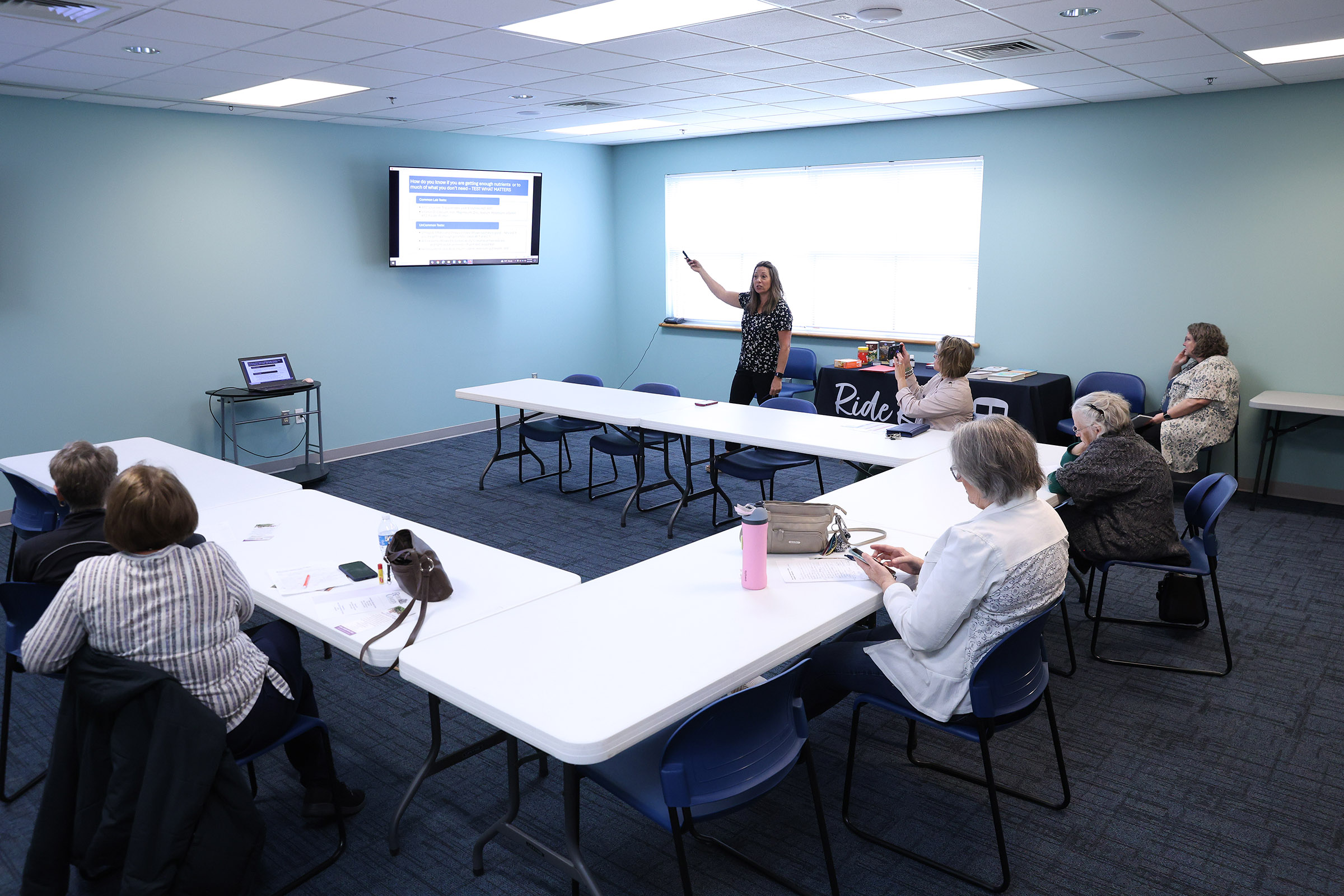
Last Thursday’s Community Collaboration Series featured Paula Miller of Pleasant View Home, who captivated attendees with an emotional and energetic discussion rooted not only in research, but in her own health journey. From the moment she began speaking, Miller made it clear this was more than just another nutrition lecture.
“Nutrition saved my life.”
Miller shared how, at age 45, she learned she carried the APOE 4/4 gene — a genetic variant linked to significantly higher risks of Alzheimer’s disease, heart disease and diabetes. Years later, she began experiencing frightening symptoms.
“I couldn’t remember names of some of my family members.”
At the same time, the lifelong athlete was dealing with severe knee pain, rising cholesterol, fatty liver disease and mounting health concerns. Doctors told her she had osteoarthritis and would likely need knee replacements. Instead, she spent years researching holistic nutrition, preventative health and inflammation — determined to find answers.
Today, Miller says she has reversed her osteoarthritis symptoms, returned to running pain-free and significantly improved her cognitive health through nutrition and lifestyle changes.
The presentation quickly turned into an open, honest and highly interactive discussion as attendees asked questions about everything from sugar addiction and processed foods to cholesterol, inflammation, gut health and healthy oils. Throughout the morning, Miller challenged many traditional ideas about food and encouraged people to become advocates for their own health.
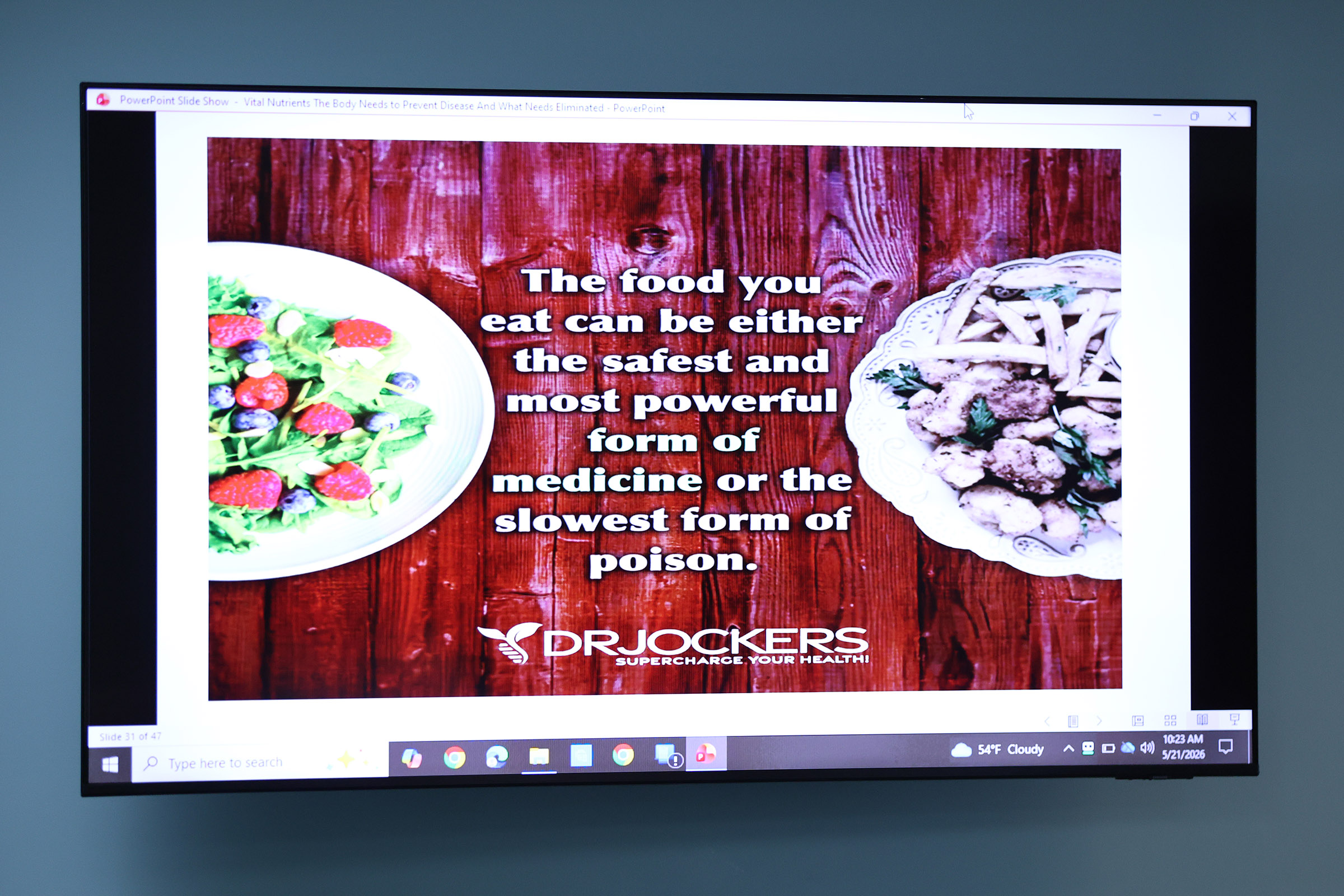
“The food you eat can either be the safest and most powerful form of medicine or the slowest form of poison.”
Rethinking Nutrition
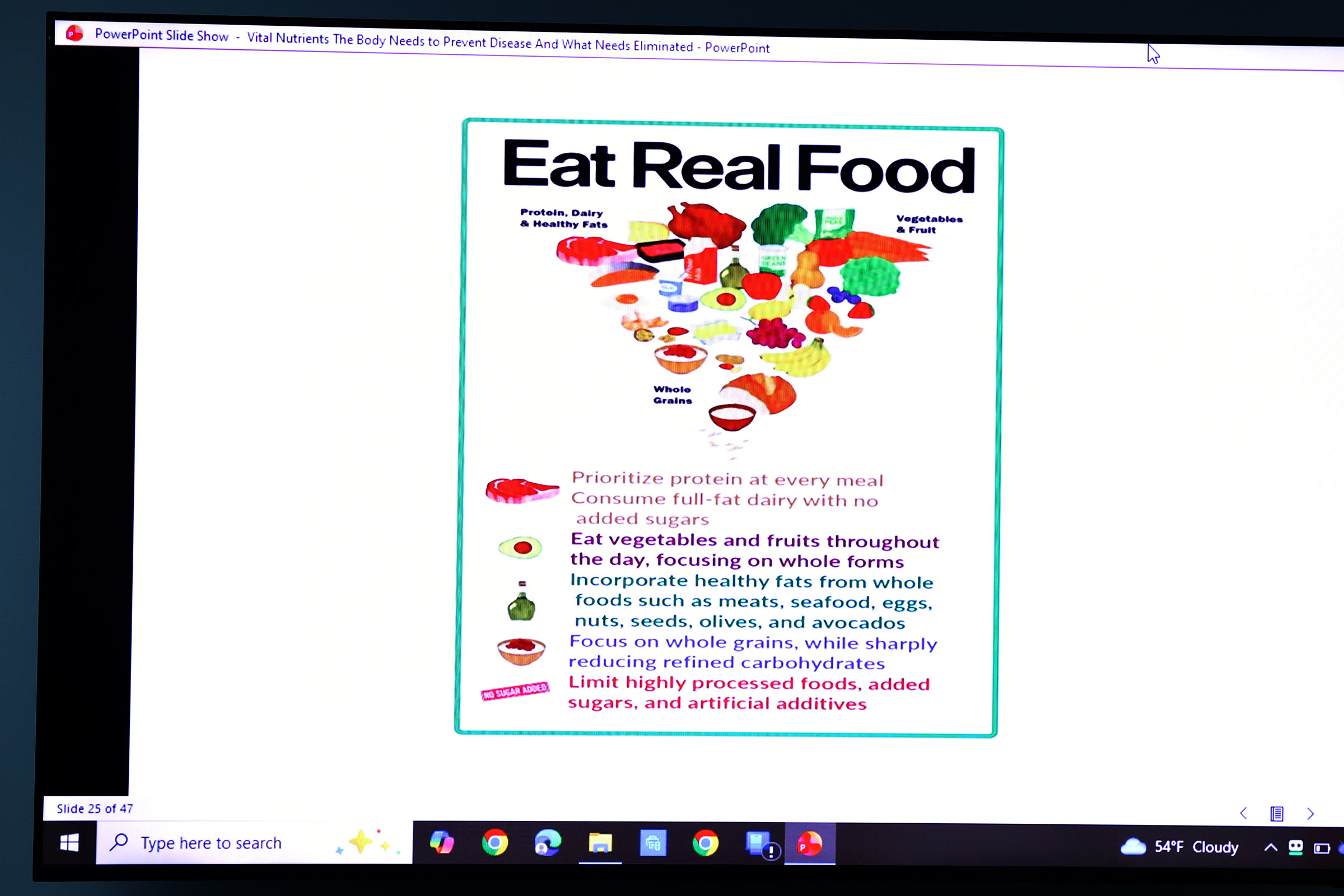
Miller spent much of the presentation discussing the impact of carbohydrates, sugar and processed foods on the body. She challenged standard dietary guidelines and said many adults consume far more carbohydrates than their bodies actually need.
“If you right now eat 225 grams of carbs, you’ll be huge, you’ll have gut problems, and things won’t go well.”
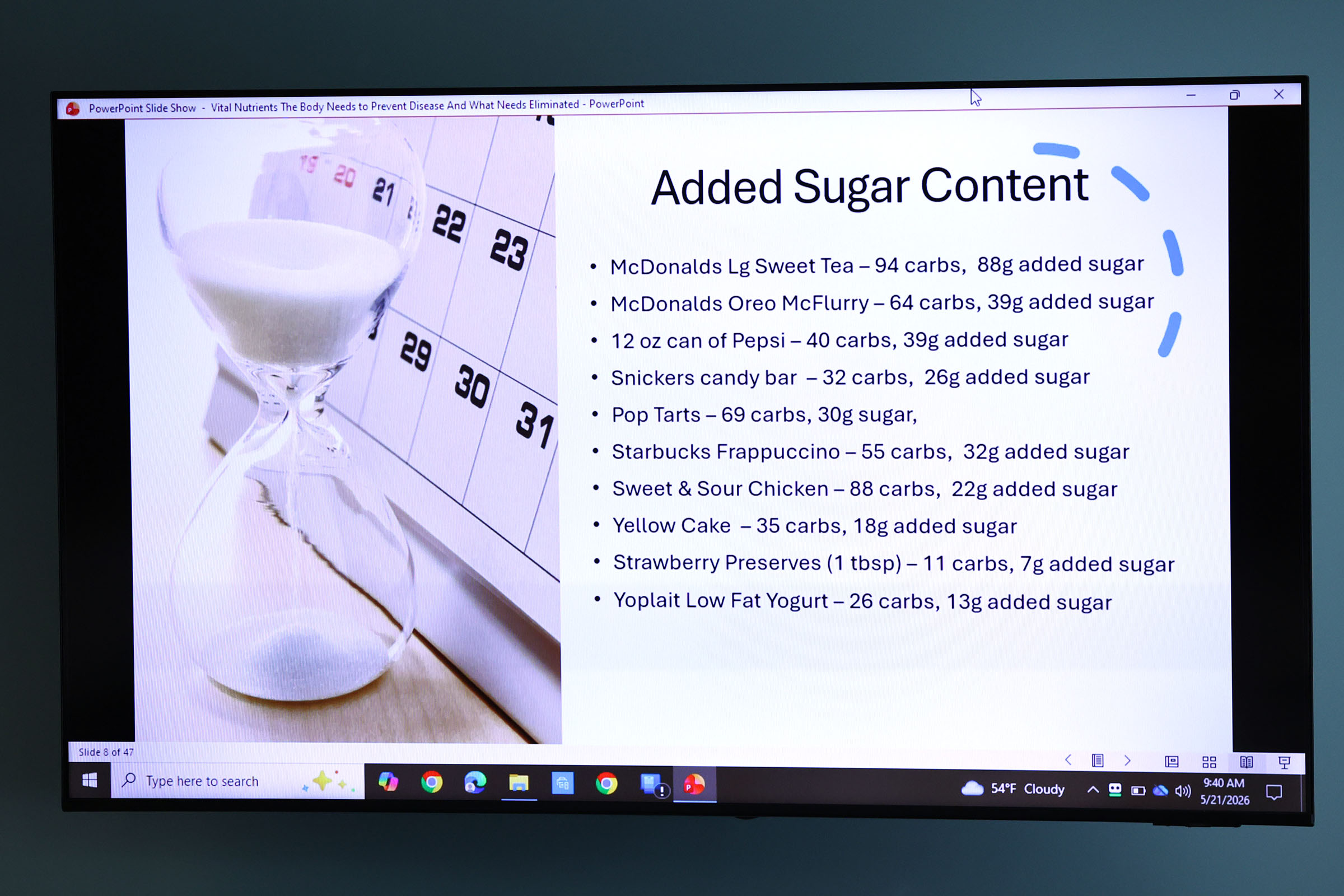
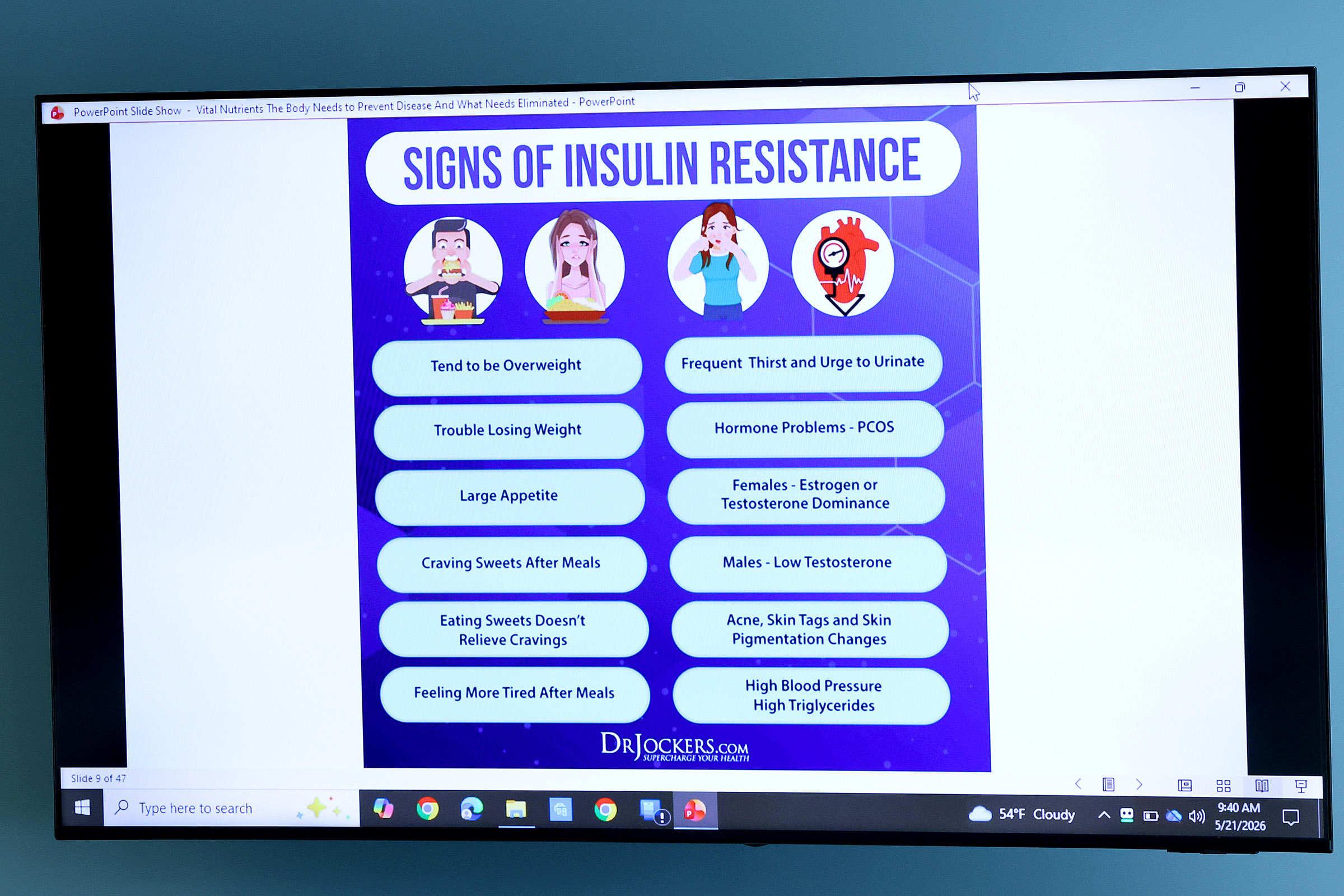
She explained that excessive carbohydrates and added sugars contribute to inflammation, insulin resistance, obesity, diabetes and cognitive decline. Using examples from popular drinks and snacks, Miller demonstrated how quickly sugar intake can exceed healthy levels.
Among the examples she shared:
- A McDonald’s sweet tea contains 88 grams of added sugar
- Some coffee drinks contain more than 50 grams of carbohydrates
- Many candy bars exceed a person’s recommended daily sugar intake in a single serving
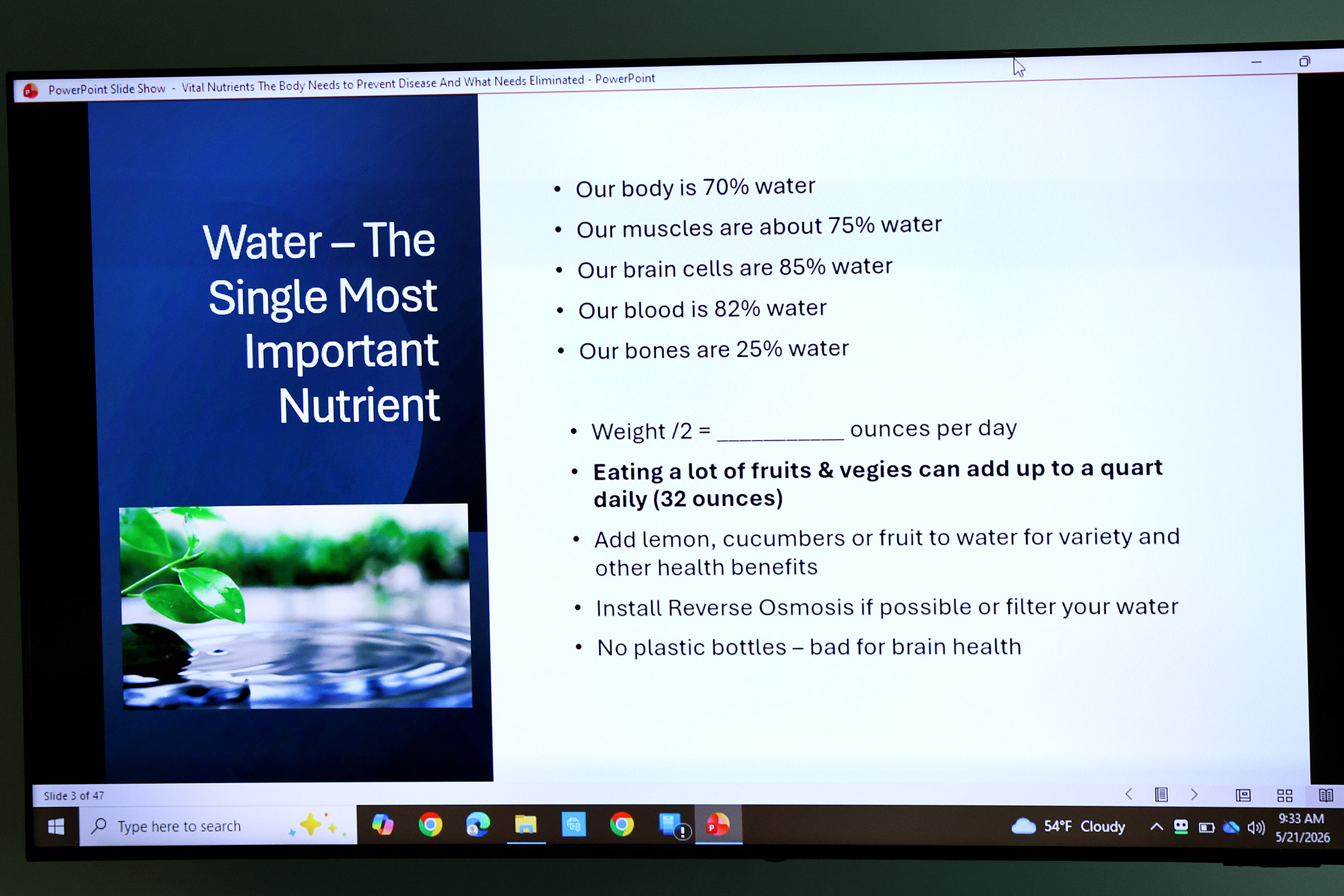
She also emphasized the importance of water intake and avoiding plastic water bottles whenever possible, citing concerns about toxins and microplastics.
Fiber, Gut Health and “Eating for the Rainbow”
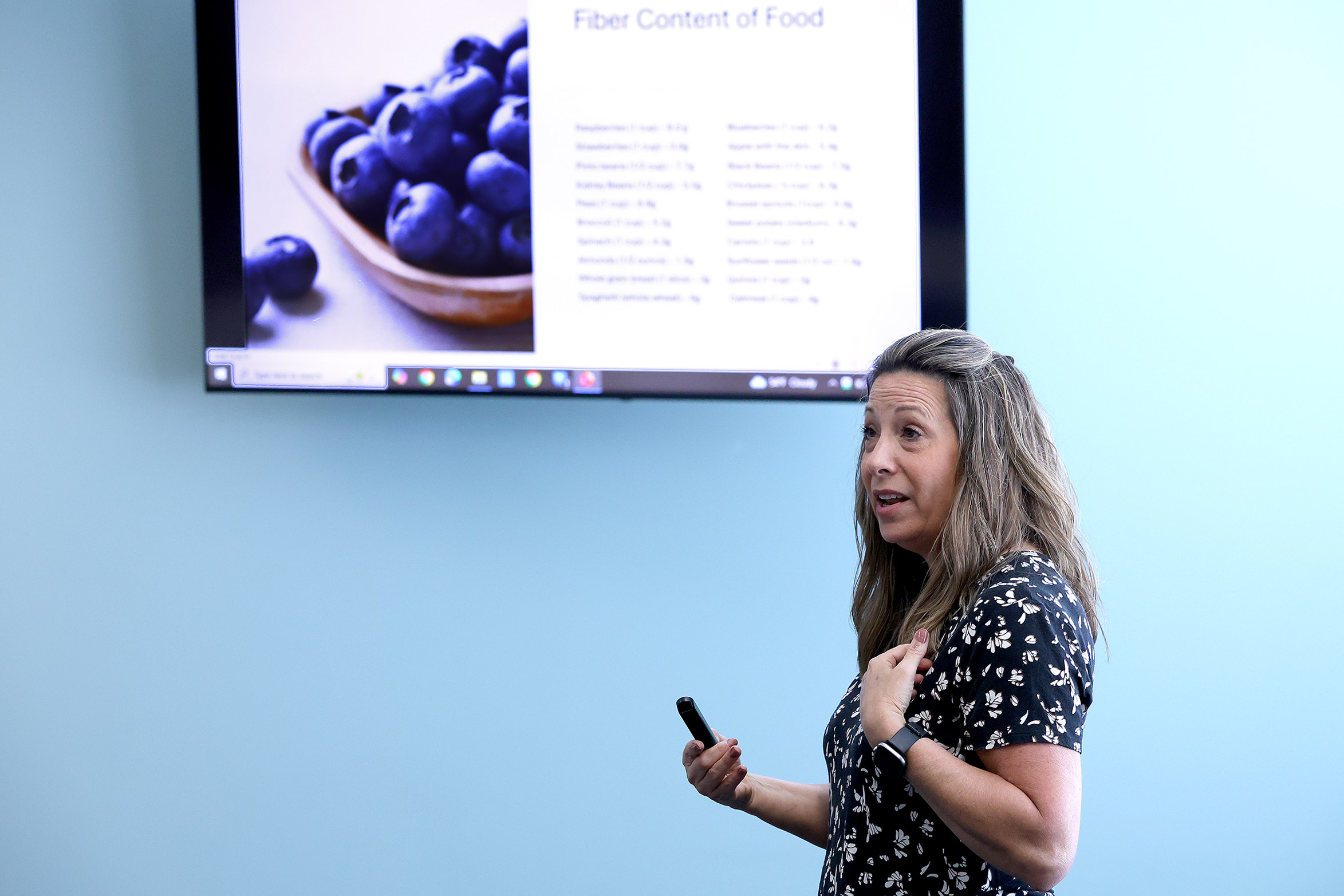
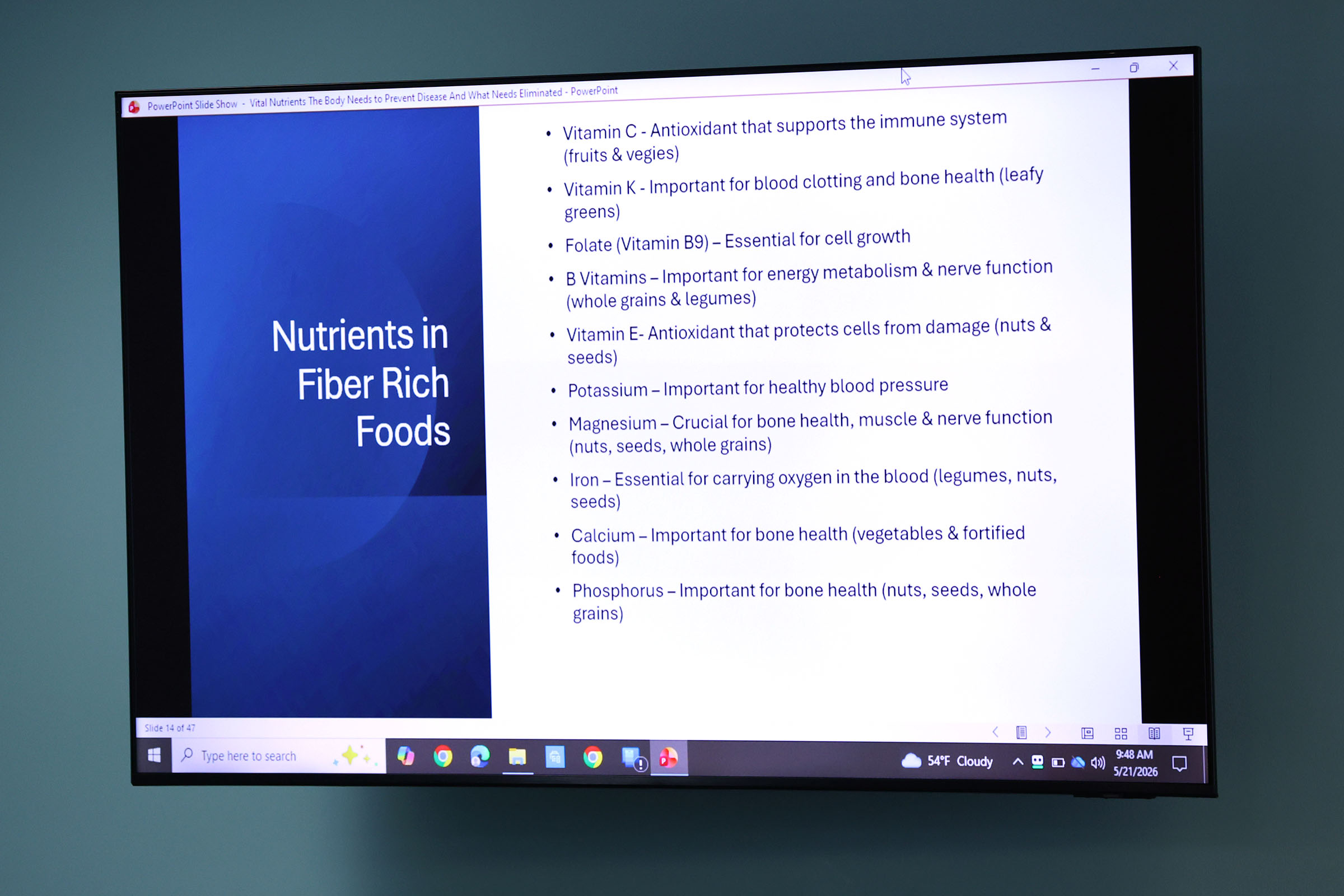
Fiber became one of the major themes of the morning as Miller explained how most Americans fail to consume enough fiber-rich foods.
She described how fiber supports:
- Gut health
- Blood sugar regulation
- Weight management
- Heart health
- Immune function
- Natural GLP-1 production
Miller encouraged attendees to “eat for the rainbow,” explaining that a variety of colorful fruits and vegetables helps feed diverse gut bacteria and improve overall health.
“All the different types of fiber feed the different microbes.”
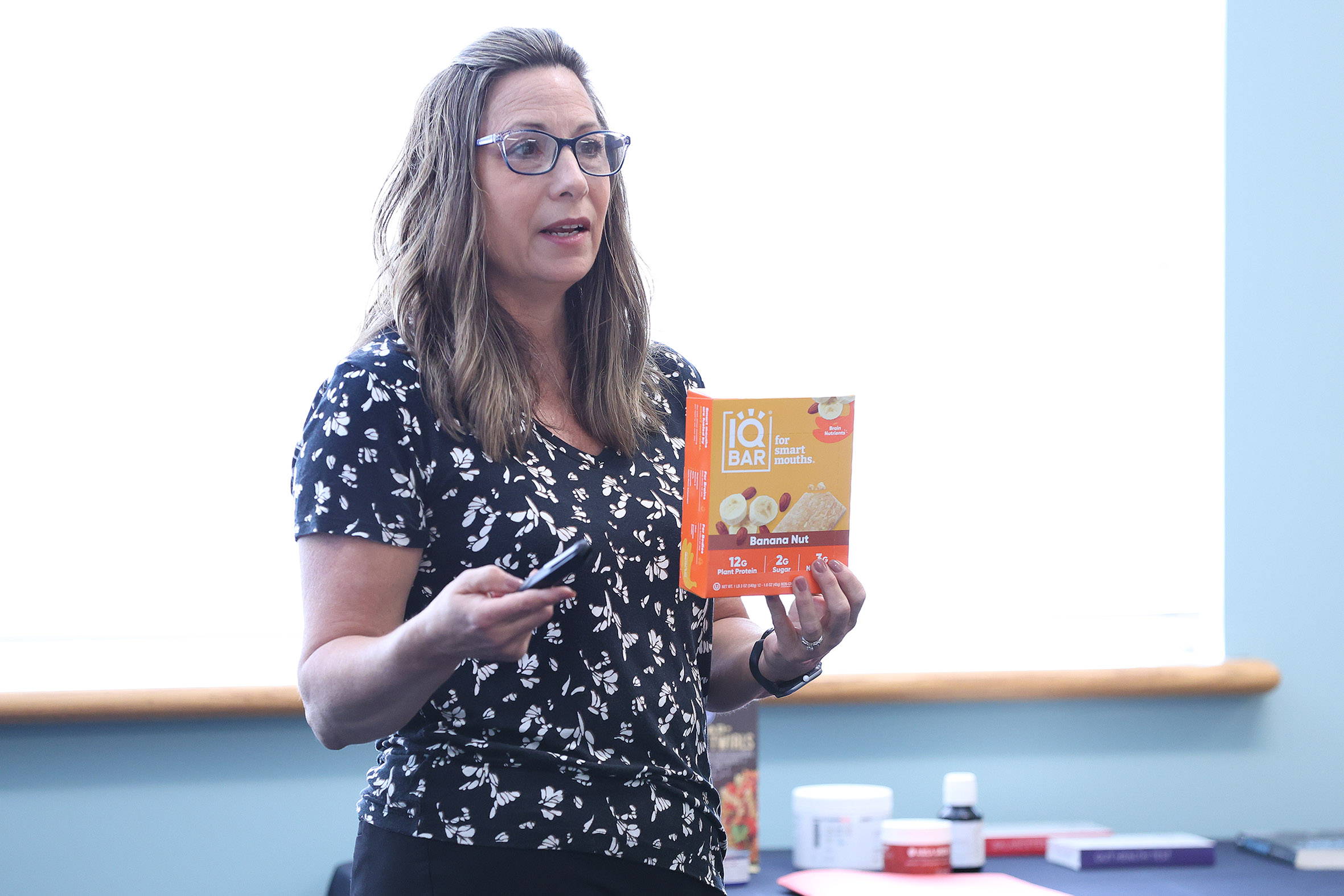
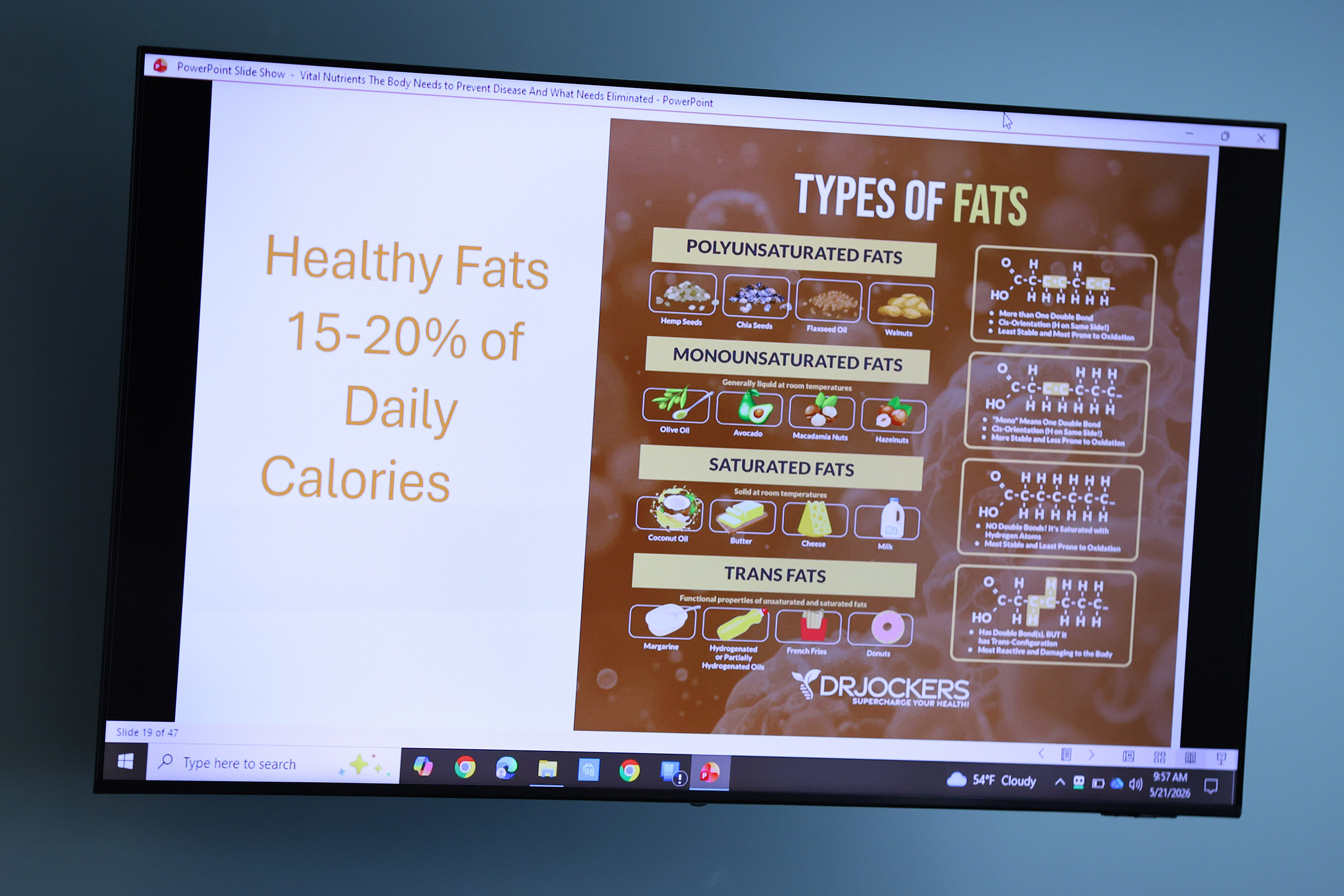
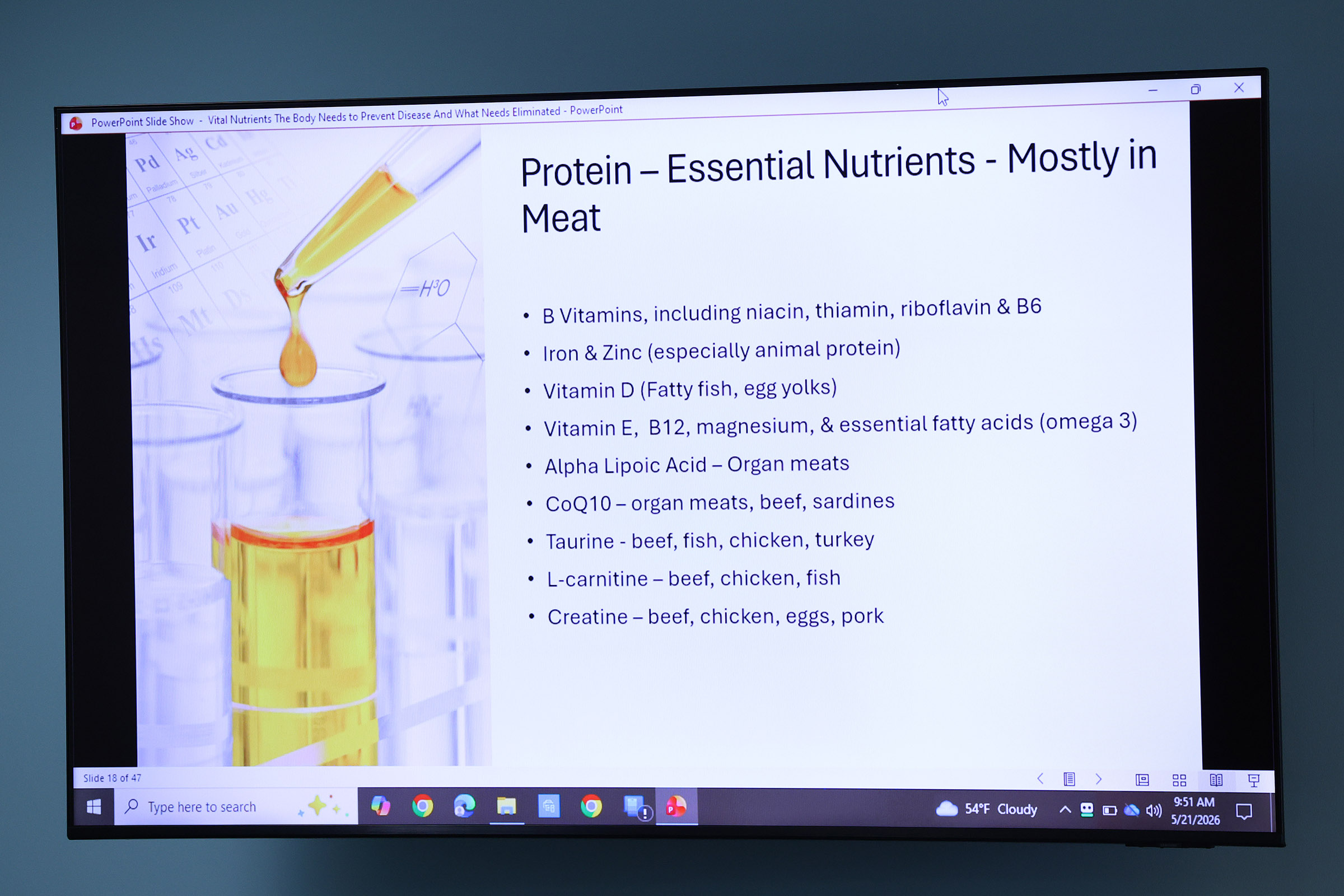
She shared several practical tips for increasing fiber and protein intake, including keeping healthy foods readily available, adding vegetables into meals like omelets and using high-fiber protein bars or supplements to help maintain balance throughout the day.
Challenging Traditional Medical Thinking
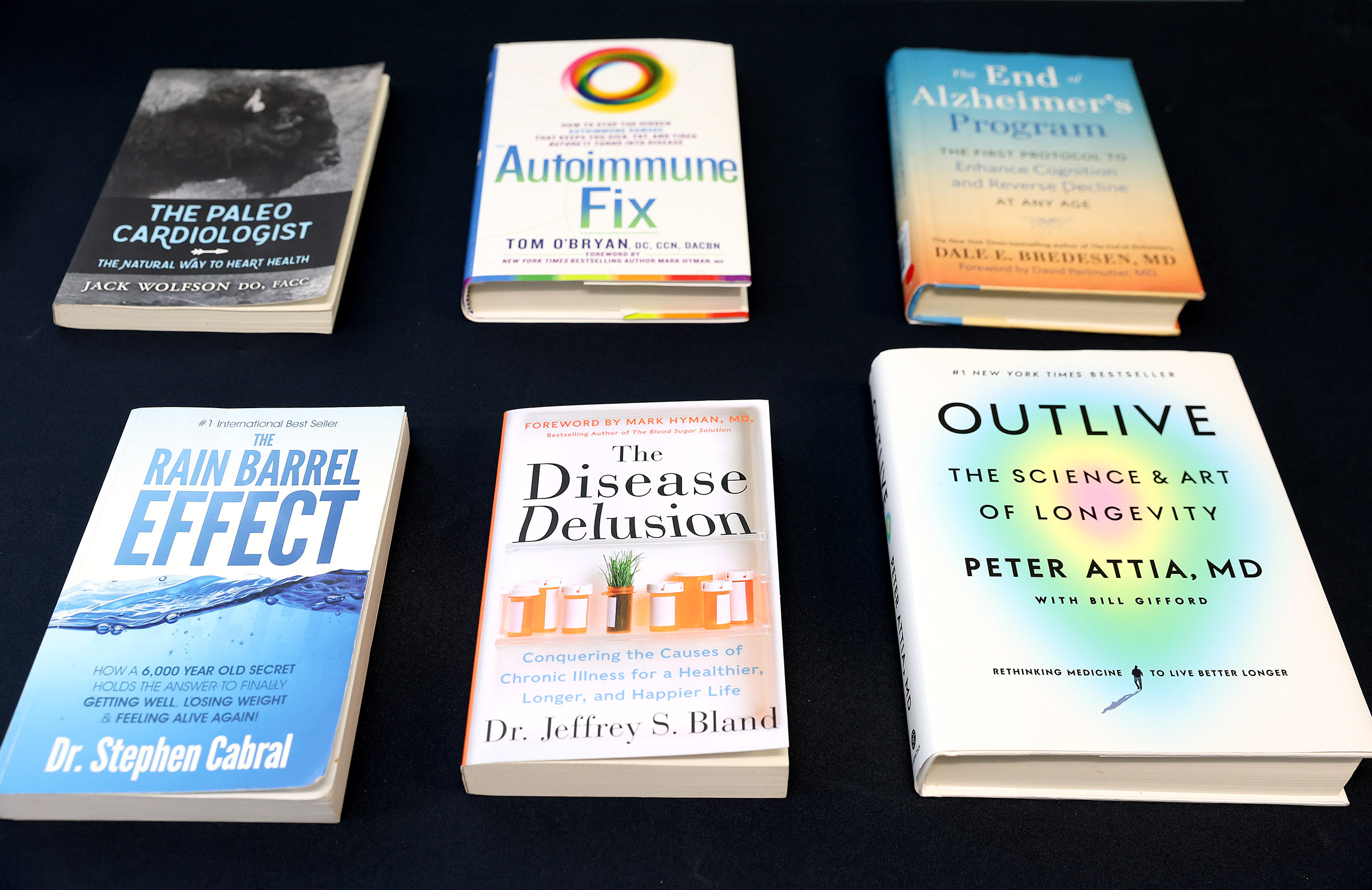
A significant portion of Miller’s presentation focused on preventative healthcare and frustrations with a system that often treats disease after it develops rather than addressing early warning signs.
She shared her own experiences with blood work and testing, explaining how many of her numbers were steadily worsening for years while she was repeatedly told everything looked “normal.”
“Nobody sounded the alarm for me until my brain said, ‘I don’t even remember my family members’ names.’”
Miller discussed the importance of understanding markers such as:
- A1C
- Insulin levels
- Cholesterol ratios
- Inflammation markers
- Omega-3 levels
- Liver enzymes
She encouraged attendees to ask more questions, advocate for additional testing when needed and pay attention to long-term trends rather than relying solely on broad “normal” ranges.
“Alzheimer’s is not going away. It’s getting worse. And diabetes is getting worse. And we have the power to stop it.”
Antioxidants and Inflammation
Another major focus of Miller’s presentation was oxidative stress and the role antioxidants play in fighting inflammation and chronic disease.
She explained that antioxidants help the body neutralize free radicals, which are linked to conditions such as cancer, autoimmune disease, heart disease and cognitive decline.
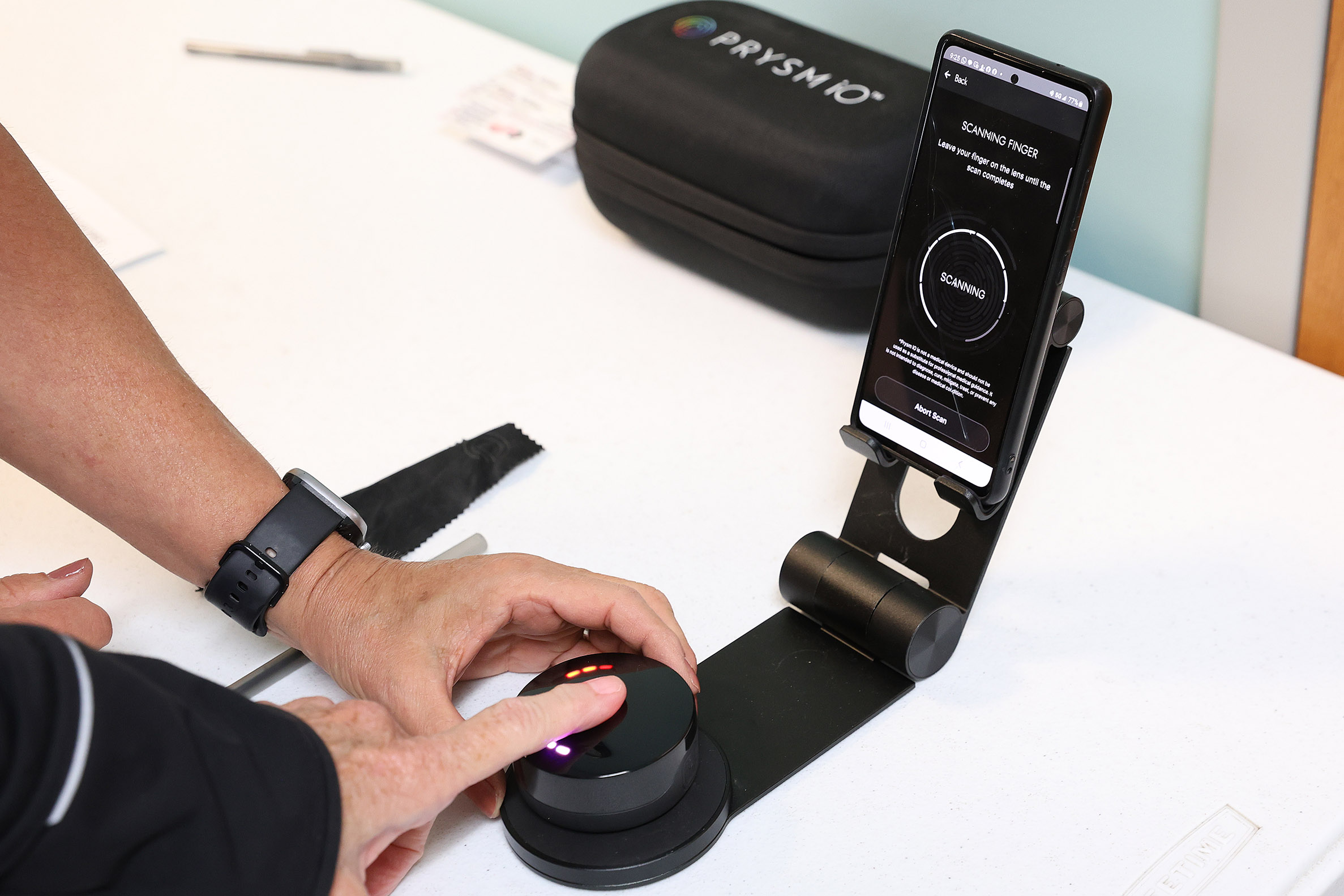
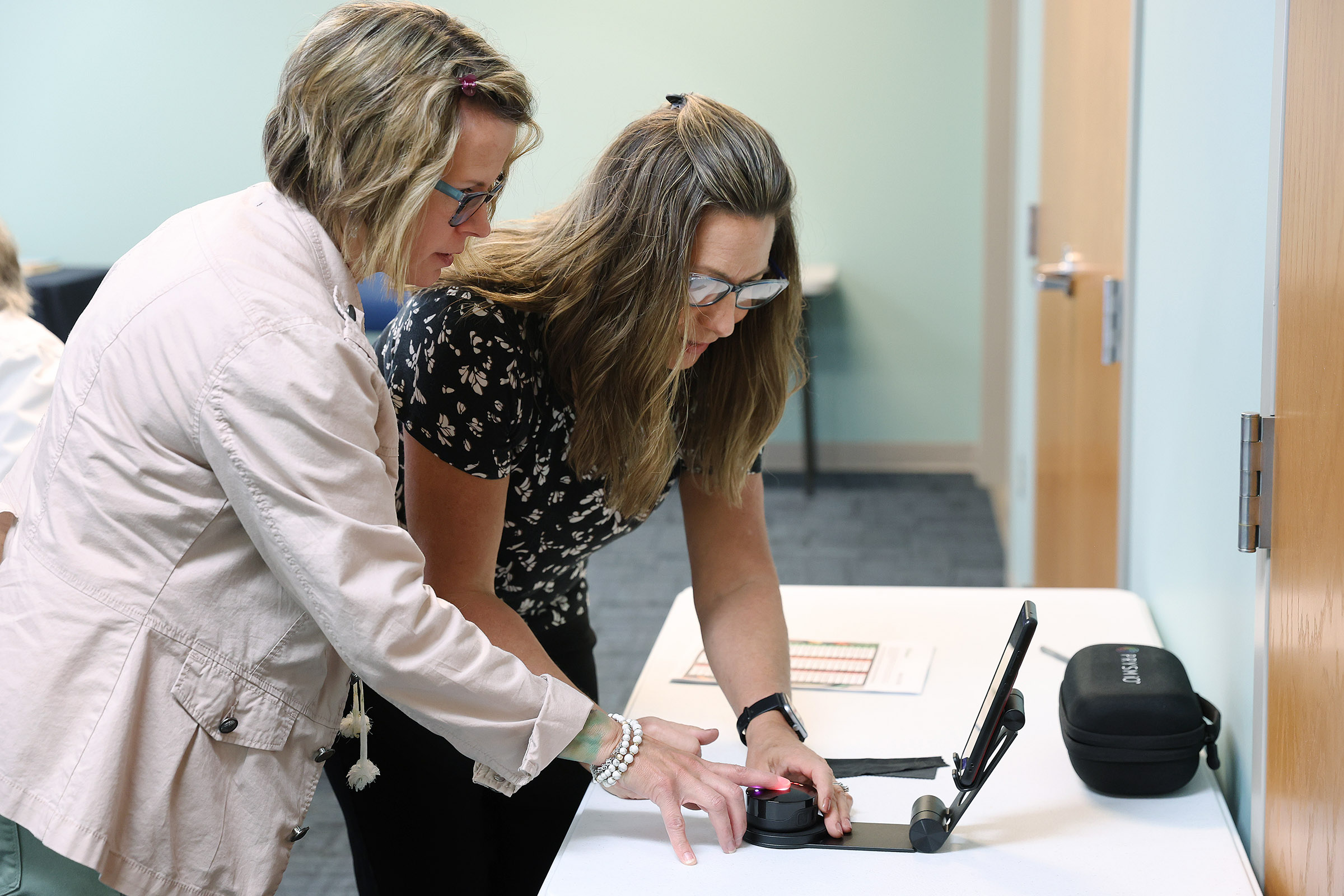
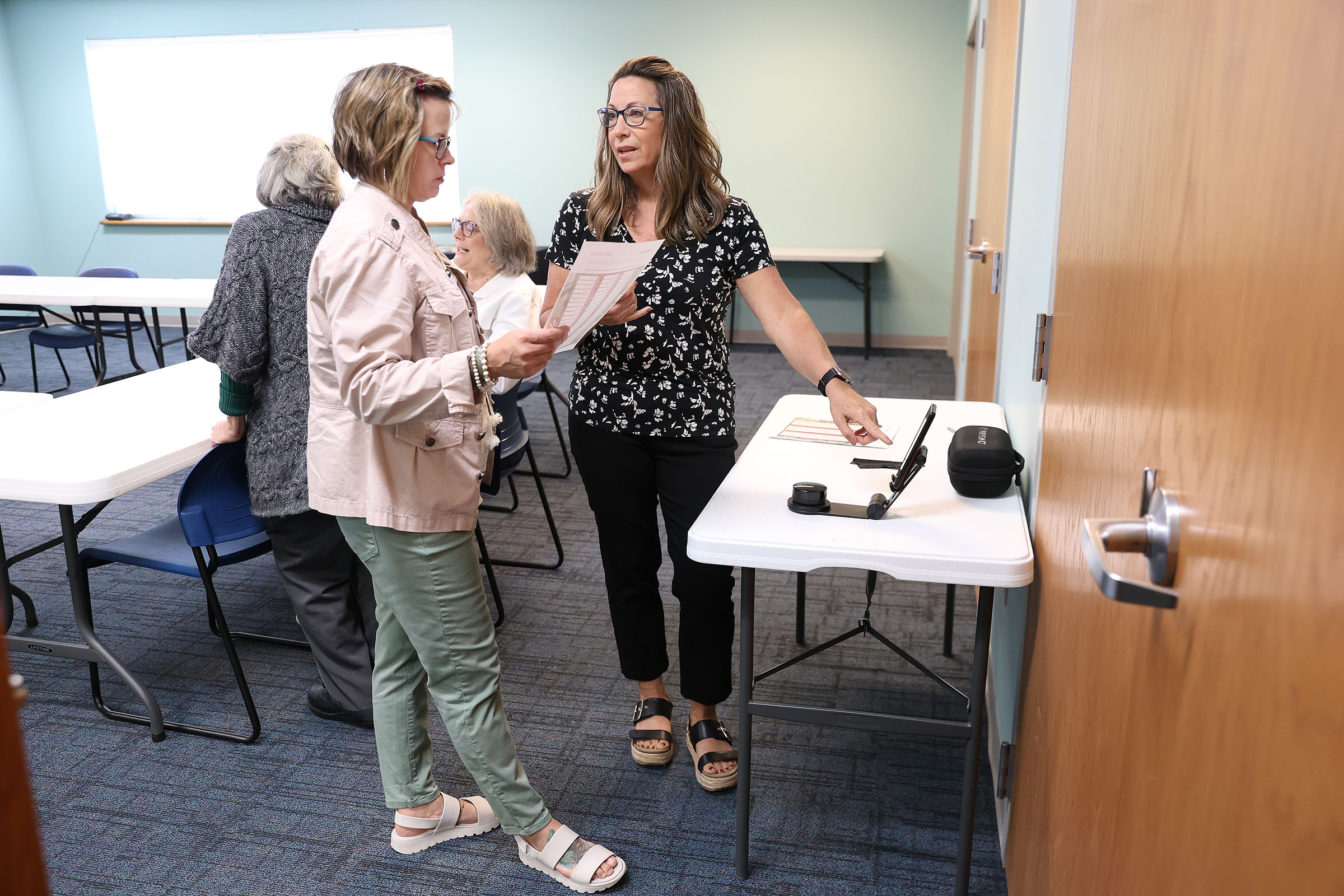
To demonstrate the concept, Miller brought a handheld antioxidant scanner — referred to during the presentation as a “prism” — that attendees could try themselves. The scanner measured antioxidant levels in seconds without bloodwork and quickly became a popular hands-on component of the presentation.
Miller used the scanner to explain how processed foods, sugar intake and inflammation can affect the body over time, while antioxidant-rich foods may help improve overall health.
She also highlighted foods with high antioxidant value, including blueberries, cinnamon, oregano, rosemary and turmeric, encouraging attendees to incorporate more antioxidant-rich foods into their daily routines.
A Conversation, Not Just a Presentation
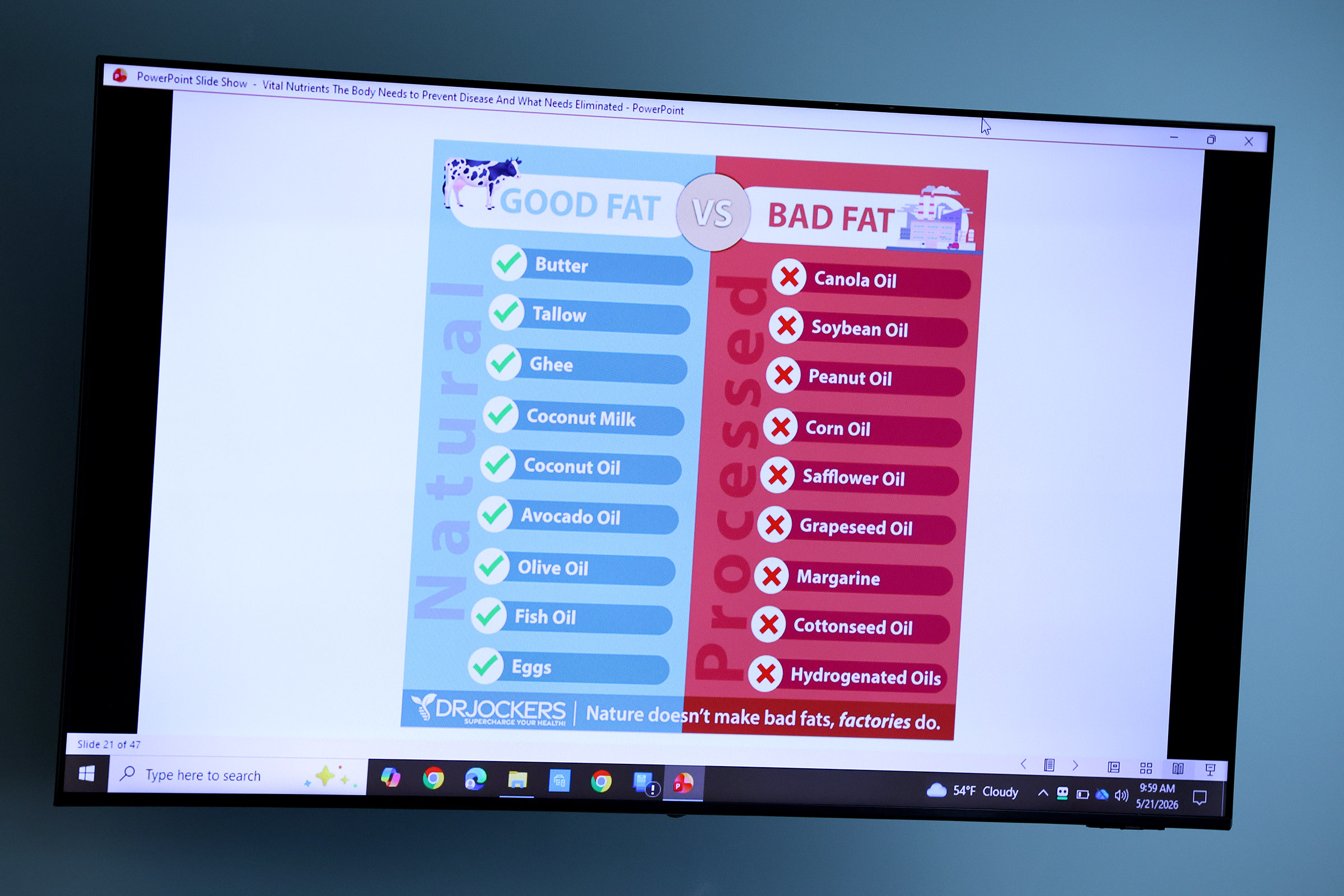
As the morning continued, attendees openly shared personal experiences and asked questions about everything from statins and artificial sweeteners to food labels, inflammation and healthy cooking oils.
Several participants discussed the difficulty of changing lifelong eating habits and the emotional connection many people have with food.
Miller acknowledged how difficult those changes can be.
“Sugar is more addictive than meth.”
Still, she encouraged participants to focus on gradual improvement instead of perfection.
“Just baby steps. Try to be 1% better every day.”
Attendees also discussed the importance of moderation, personal responsibility and learning how individual bodies respond differently to foods and ingredients.
“Everybody is so individual. Everybody has to kind of take care of — it’s their responsibility for themselves.”
By the end of the session, what began as a nutrition presentation had transformed into a thoughtful and highly personal community discussion about health, prevention and making intentional daily choices.
Miller closed by encouraging attendees to continue learning, asking questions and supporting one another along the way. She also offered to help community members individually at no cost.
“To me, it’s my way of giving back.”
The Community Collaboration Series will continue next month on June 18 at 9:30 am with Alisha Smith and the Gentiva Team presenting “Hospice 101.” The session will provide an opportunity for community members to learn more about hospice care, available services and how hospice supports patients and families through every stage of care. Please RSVP for this free event by calling 620-694-2911.